
Landscaping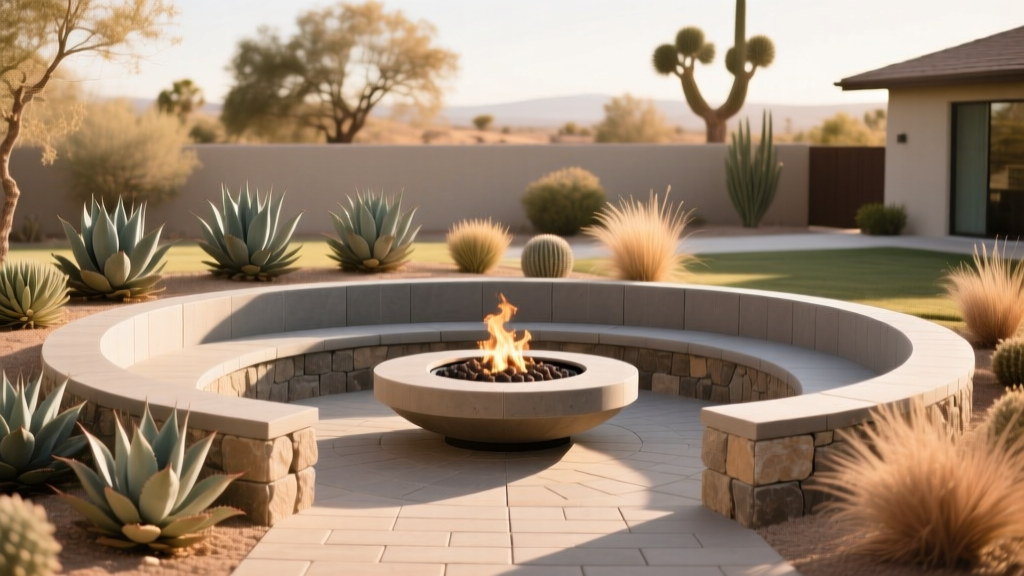
2026 Xeriscape Fire Pits: Unilock Pavers & Seating Walls
David ParkPublished
The Shift to Xeriscaping in 2026
As we navigate the landscaping trends of 2026, the shift toward xeriscaping and low-water garden design is no longer just an environmental preference—it is a practical necessity for many homeowners. With shifting climate patterns and stricter municipal water restrictions, creating a beautiful outdoor living space that thrives without constant irrigation is paramount. At the heart of the modern xeriscape is the hardscaped outdoor living area, specifically the fire pit and seating wall. By replacing thirsty turfgrass with premium hardscaping and drought-tolerant borders, you dramatically reduce your water footprint while increasing your property's usable square footage.
According to EPA WaterSense, outdoor water use can account for up to 60% of a household's daily water consumption in arid and semi-arid regions. By transitioning to a xeriscape model centered around a Unilock paver fire pit and seating wall, homeowners in 2026 are reclaiming thousands of gallons of water annually without sacrificing curb appeal or entertainment value.
Why Unilock Pavers Excel in Low-Water Landscapes
When designing a xeriscape, the materials you choose must complement the natural hydrology of your yard. Unilock has established itself as an industry leader in 2026, particularly with their permeable paver lines. Unlike traditional concrete slabs that create massive water runoff, permeable pavers like the Unilock Eco-Optiloc or Thornbury series allow rainwater to percolate through the joints and back into the soil. This passive groundwater recharge is a core tenet of sustainable xeriscaping.
For the fire pit and seating wall, the Unilock Brussels Dimensional Stone is the premier choice. Its tumbled, natural-stone aesthetic blends seamlessly with the rugged, organic textures typical of low-water landscapes. More importantly, it is engineered to withstand extreme temperature fluctuations, making it ideal for the intense, localized heat generated by a wood-burning or gas fire pit.
Designing the Layout and Dimensions
A successful fire pit area requires careful spatial planning to ensure safety, comfort, and aesthetic harmony with the surrounding xeriscape.
- Fire Pit Diameter: The ideal inner diameter for a circular Unilock Brussels Dimensional Stone fire pit is between 36 and 44 inches. This provides ample space for a standard steel fire ring while keeping the heat radius manageable.
- Seating Wall Height and Depth: The seating wall should be constructed to a height of 18 to 24 inches, which aligns with standard ergonomic seating heights. A depth of 12 to 18 inches provides a comfortable seat and enough structural mass to anchor the wall.
- Paver Surround Clearance: You must leave a minimum of 4 to 5 feet of permeable paver surfacing between the outer edge of the seating wall and any surrounding xeriscape planting beds. This buffer zone protects drought-tolerant plants from heat scorch and provides safe foot traffic.
Base Preparation: The Secret to Permeable Success
The most critical component of a permeable Unilock paver installation is the base preparation. In 2026, best practices dictate the use of an open-graded base, which means the crushed stone used contains no fine particles or sand that could clog the system.
The Open-Graded Base System
- Sub-base Layer: A 6-to-8-inch layer of ASTM No. 57 crushed stone provides the primary structural support and acts as an underground reservoir for stormwater.
- Bedding Layer: A 2-inch layer of ASTM No. 8 stone (smaller, pea-sized gravel) is used to bed the pavers, ensuring uniform drainage.
- Jointing Material: The joints between the pavers are filled with ASTM No. 8 stone rather than traditional polymeric sand, allowing water to flow freely through the surface.
This open-graded base acts as a hidden rain garden. When it rains, the water is stored in the voids of the crushed stone and slowly released into the native soil, providing deep, passive irrigation to the roots of nearby drought-tolerant trees and shrubs. The Alliance for Water Efficiency frequently highlights permeable hardscaping as a top-tier strategy for residential water conservation and stormwater management.
Fire-Resistant, Low-Water Plant Borders
Xeriscaping does not mean a barren yard; it means utilizing intelligent, climate-appropriate plantings. When designing the borders around your Unilock fire pit area, you must select plants that are both drought-tolerant and fire-resistant. Avoid highly resinous, flammable plants like junipers or rosemary near the fire pit.
Top Xeriscape Plant Choices for 2026
- Agave and Yucca: These architectural succulents require virtually zero supplemental water once established and feature high moisture content in their leaves, making them naturally fire-resistant.
- Blue Fescue (Festuca glauca): This low-growing ornamental grass adds a striking silvery-blue contrast to the warm tones of the Unilock Brussels Dimensional Stone. It thrives on neglect and requires minimal watering.
- Lantana and Sedum: Excellent for groundcover and low borders, these plants provide vibrant seasonal color while surviving intense heat and prolonged dry spells.
Instead of traditional wood mulch, which is highly flammable and requires frequent replacement, use Decomposed Granite (DG) or washed river rock around your planting beds. DG compacts slightly to form a natural-looking, permeable surface that suppresses weeds and retains soil moisture without posing a fire hazard.
2026 Cost and Materials Breakdown
Building a premium hardscape feature is an investment in your property. Below is an estimated cost breakdown for a 150-square-foot Unilock fire pit and seating wall area, based on 2026 material and labor rates. Note that prices can vary based on regional availability and site-specific excavation requirements.
| Material / Service | Quantity / Scope | Estimated 2026 Cost |
|---|---|---|
| Unilock Brussels Dimensional Stone (Wall & Pit) | ~60 linear feet / 3 courses high | $1,800 - $2,400 |
| Unilock Permeable Pavers (Surround) | 150 sq. ft. | $900 - $1,350 |
| Open-Graded Base Aggregate (ASTM 57 & 8) | ~12 tons | $450 - $600 |
| Steel Fire Ring & Lava Rock | 1 heavy-duty ring | $250 - $400 |
| DG Mulch & Xeriscape Plants | Bordering beds (approx. 100 sq ft) | $500 - $800 |
| Professional Excavation & Installation Labor | Full project | $3,500 - $5,500 |
| Total Estimated Project Cost | $7,400 - $11,050 |
Lighting and Finishing Touches
To maximize the usability of your xeriscape fire pit area in 2026, integrate low-voltage LED hardscape lighting. Unilock offers specialized lighting fixtures that can be seamlessly tucked beneath the capstones of the Brussels Dimensional Stone seating wall. This provides a soft, downward-facing glow that illuminates the paver surround without contributing to light pollution. Pairing these LEDs with smart-home timers ensures they only draw power when the space is actively being used. Solar-powered pathway lights integrated into the surrounding DG borders are another excellent, energy-efficient way to guide guests from the house to the fire pit without requiring complex trenching for wiring.
Long-Term Maintenance for Permeable Xeriscapes
One of the greatest advantages of a xeriscape is the drastic reduction in weekend maintenance. However, permeable pavers do require specific upkeep to ensure they continue to drain properly. In 2026, the standard recommendation is to use a specialized wet-dry vacuum or a mechanical street sweeper attachment once a year to remove dust, pollen, and debris from the paver joints. Avoid using pressure washers on high settings, as this can displace the ASTM No. 8 jointing stone and compromise the permeability of the surface. Additionally, inspect your xeriscape plant borders twice a year to prune any dead foliage, ensuring that the fire-resistant buffer zone around the fire pit remains clear and safe. After severe windstorms, check the open-graded base edges to ensure no topsoil from adjacent beds has washed over the permeable joints.
Conclusion
Designing a fire pit area with a Unilock paver surround and seating wall is the ultimate way to embrace the xeriscaping movement in 2026. By combining the structural elegance and permeable benefits of Unilock hardscaping with intelligent, low-water plant selections, you create an outdoor sanctuary that is as environmentally responsible as it is beautiful. This approach not only future-proofs your landscape against water restrictions but also provides a stunning, low-maintenance gathering space for years to come.

