Home & Garden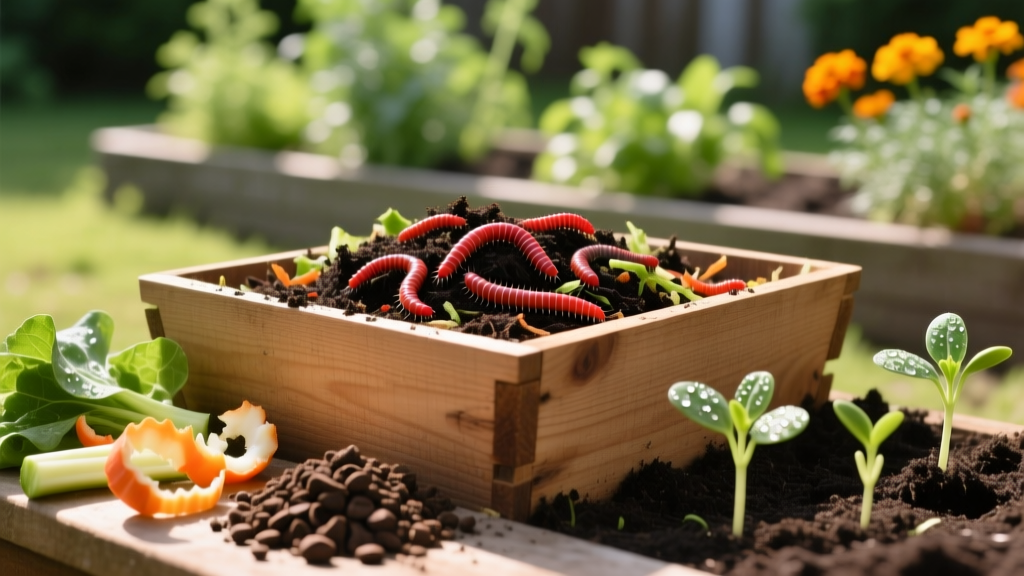
The Ultimate Guide to Vermicomposting for Garden Soil Health
Sarah ChenPublished
Bridging Indoor Kitchens and Outdoor Gardens with Vermicomposting
For home gardeners seeking to elevate their soil health, the journey often begins indoors. Vermicomposting, the process of using worms to break down organic waste, is one of the most efficient ways to bridge indoor kitchen sustainability with outdoor garden vitality. Unlike traditional outdoor compost piles that require significant space, physical turning, and seasonal temperature management, a worm bin can thrive in a basement, garage, or under the kitchen sink year-round. The end product—worm castings, often referred to as 'black gold'—is a premium, microbially rich soil amendment that drastically improves water retention, nutrient availability, and soil structure in your outdoor garden beds.
According to the Environmental Protection Agency (EPA), composting at home diverts significant organic waste from landfills while creating a valuable resource for landscaping and gardening. By mastering vermicomposting, you can transform daily food scraps into a potent, organic fertilizer that rivals any commercial product on the market.
The Science of Worm Castings: Why Black Gold Matters
Worm castings are not merely broken-down food scraps; they are a biologically active soil conditioner. As organic matter passes through the digestive tract of a composting worm, it is inoculated with beneficial microbes, enzymes, and humic acids. When applied to your outdoor garden, these castings act as a slow-release fertilizer. They contain essential macronutrients like nitrogen, phosphorus, and potassium, alongside vital micronutrients such as calcium, magnesium, and sulfur.
Furthermore, the mucilaginous coating left on castings helps soil particles bind together, improving aeration in heavy clay soils and increasing moisture retention in sandy soils. Research highlighted by the Cornell Waste Management Institute confirms that vermicompost can suppress certain plant diseases and deter pests, making it an indispensable tool for organic gardeners looking to maintain robust soil health without synthetic chemicals.
Choosing the Right Worms for Your Bin
You cannot use earthworms dug from your garden for a vermicomposting bin. Garden earthworms are deep burrowers that require deep soil and will quickly die in the confined, organic-rich environment of a bin. Instead, you need epigeic worms—surface dwellers that thrive in decaying organic matter.
- Red Wigglers (Eisenia fetida): The undisputed champion of vermicomposting. They reproduce rapidly, tolerate a wide range of temperatures, and have a voracious appetite. Expect to pay between $35 and $50 per pound (approximately 1,000 worms) from specialized breeders.
- European Nightcrawlers (Eisenia hortensis): Slightly larger and more tolerant of cooler temperatures, though they reproduce slower than Red Wigglers. They are an excellent choice if your bin will be kept in a cooler basement or garage.
For a standard household generating about 3 to 4 pounds of kitchen scraps per week, starting with 1 pound of Red Wigglers is the ideal measurement. The population will self-regulate based on the available food and space.
Setting Up Your Vermicomposting Bin
You have two primary routes for setting up your indoor composting system: DIY or commercial.
The DIY Tote Method (Cost: $15 - $25)
Purchase an opaque, 10 to 18-gallon plastic storage tote. Drill 1/8-inch holes along the top sides for ventilation and a few in the bottom for drainage (place a second tote underneath to catch 'worm tea'). This method is highly cost-effective but requires more manual monitoring of moisture levels.
Commercial Multi-Tray Systems (Cost: $100 - $160)
Systems like the Worm Factory 360 or the Urban Worm Bag utilize a vertical migration design. As worms finish processing the bottom tray, they migrate upward toward fresh food. These systems include built-in drainage spigots for liquid collection and offer superior airflow, minimizing the risk of anaerobic odors.
Bedding and Environment Setup
Worms do not just eat food scraps; they require a carbon-rich bedding material to live in, digest, and use for balancing the high nitrogen content of kitchen waste. Ideal bedding materials include shredded corrugated cardboard, coconut coir, or aged peat moss.
Preparation Steps:
- Soak your chosen bedding in water for 30 minutes.
- Squeeze out the excess moisture until it feels like a wrung-out sponge (aiming for 70-80% moisture content).
- Fluff the bedding into the bin, filling it about 6 to 8 inches deep.
- Add a handful of native outdoor garden soil to introduce beneficial grit, which aids the worms' gizzards in breaking down food.
- Maintain an ambient temperature between 55°F and 77°F for optimal worm health and feeding activity.
The Vermicomposting Diet: Feeding Your Worms
Worms have specific dietary preferences and restrictions. Feeding them the wrong materials can lead to acidic environments, foul odors, and pest infestations. Always bury food scraps at least 2 inches beneath the bedding surface to deter fruit flies.
| Category | Examples | Feeding Guidelines |
|---|---|---|
| Excellent (Nitrogen) | Apple cores, melon rinds, coffee grounds, tea bags | Feed 1-2 times per week. Melons break down rapidly and are a worm favorite. |
| Good (Carbon) | Shredded newspaper, dry leaves, crushed eggshells | Add continuously to maintain C:N ratio. Eggshells provide vital calcium and grit. |
| Avoid (Toxic/Harmful) | Citrus peels, onions, garlic, spicy foods, dairy, meat | Citrus and alliums create acidic, hostile environments. Meat and dairy cause rot and attract pests. |
| Prep Tip | Freezing and thawing scraps | Freezing breaks down cell walls, making food easier for worms to consume and kills fruit fly eggs. |
Harvesting Castings for the Garden
After 3 to 6 months, your bin will be filled with dark, earthy-smelling castings. It is time to harvest. The most effective method for multi-tray systems is simply removing the bottom tray once the worms have migrated upward. For DIY single-bin setups, use the Light Migration Method:
- Push all the finished compost to one side of the bin.
- Place fresh, moist bedding and new food scraps on the empty side.
- Leave the bin lid off under a bright light for 20 minutes. Worms are photophobic and will dive deep into the finished side or migrate to the new bedding.
- Scoop off the top layer of exposed castings. Repeat until you have harvested the majority of the compost, leaving the worm cluster intact to restart the cycle.
Applying Castings to Outdoor Soil
Because worm castings are incredibly potent, a little goes a long way in the outdoor garden. Unlike raw manure, castings will not burn plant roots, but they should be used strategically to maximize soil health benefits.
- Top Dressing: Apply a 1/4-inch layer of castings around the base of established vegetables, flowers, and shrubs every 4 to 6 weeks during the growing season. Water immediately to help the microbes enter the soil profile.
- Seed Starting Mix: Blend castings with coconut coir and perlite at a ratio of 20% castings to 80% base medium. This provides seedlings with a gentle, disease-suppressing nutrient source.
- Transplanting: Add 1/2 cup of castings directly into the planting hole when setting out tomato, pepper, or squash transplants to encourage rapid root establishment and mycorrhizal fungal associations.
- Compost Tea: Steep 1 cup of castings in 1 gallon of dechlorinated water for 24 hours (using an aquarium air pump for aeration). Use this microbe-rich liquid as a foliar spray or soil drench to boost plant immunity.
Troubleshooting Common Bin Issues
Even experienced gardeners encounter hiccups when maintaining an indoor ecosystem. Here is how to address the most common vermicomposting challenges:
- Fruit Flies: This is almost always caused by exposed food. Ensure all scraps are buried under 2 inches of bedding. If an infestation occurs, place a small jar of apple cider vinegar with a drop of dish soap near the bin to trap adults, and freeze all future food scraps before feeding.
- Foul, Anaerobic Odors: A healthy bin smells like a forest floor after rain. If it smells sour or like rotting garbage, the bin is too wet or overfed. Stop feeding immediately, mix in dry shredded cardboard to absorb excess moisture, and gently fluff the bedding to introduce oxygen.
- Worms Attempting to Escape: Worms will crawl up the sides of the bin if the environment becomes toxic. This is usually due to high acidity from too many acidic foods or poor drainage. Add a tablespoon of pulverized oyster shell or agricultural lime (calcium carbonate) to buffer the pH, and ensure drainage holes are not blocked.
By integrating a vermicomposting system into your home routine, you close the loop on household waste while cultivating the most biologically active, nutrient-dense soil possible for your outdoor garden. It is a small indoor investment that yields massive outdoor dividends, season after season.
