Home & Garden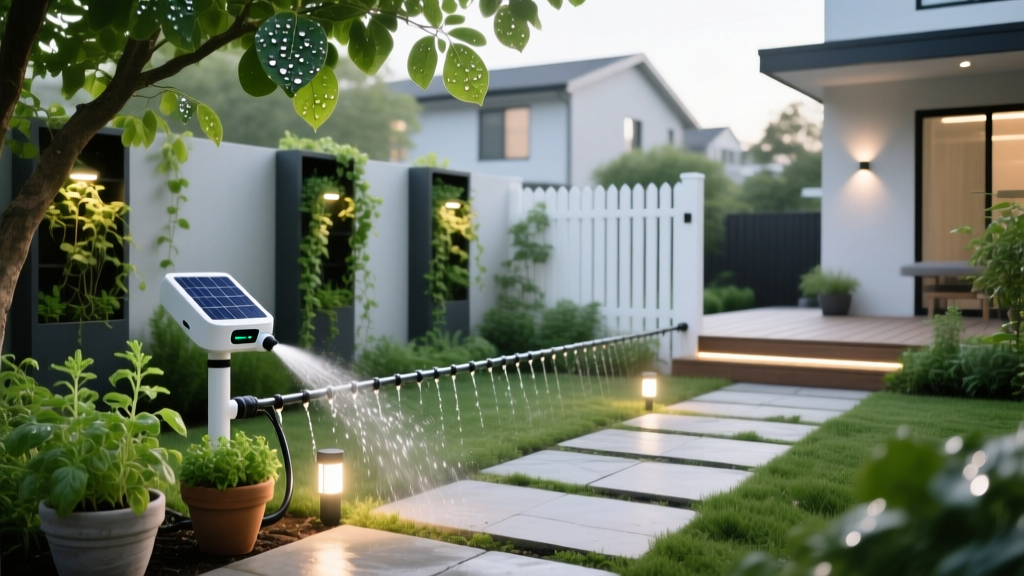
Viral Smart Garden Hacks: Save Water And Boost Curb Appeal
Anna KowalskiPublished
The Viral Smart Garden Revolution
If you have spent any time scrolling through TikTok or Instagram Reels lately, you have likely noticed a massive shift in home landscaping content. The days of back-breaking manual labor and guessing games with garden hoses are being replaced by sleek, automated, and highly aesthetic smart garden setups. Homeowners and landscaping influencers are showcasing lush, vibrant lawns and perfectly illuminated outdoor living spaces that practically maintain themselves. But these viral smart garden hacks are not just about looking good on camera; they are rooted in energy-efficient landscaping and serious water conservation.
Bridging the gap between indoor smart home integration and outdoor maintenance has never been easier or more affordable. By upgrading your irrigation and outdoor lighting with trending tech, you can reclaim your weekends, slash your utility bills, and dramatically boost your curb appeal. Below, we break down the most popular viral smart garden upgrades, complete with product recommendations, exact measurements, and cost breakdowns so you can replicate these trending setups at home.
Hack #1: The Smart Sprinkler Controller Swap
The most viral garden hack of the year involves ripping out outdated, "dumb" irrigation timers and replacing them with Weather-Based Irrigation Controllers (WBICs). Traditional timers water your lawn on a rigid schedule, completely ignoring whether it rained yesterday or if a heatwave is expected tomorrow. Smart controllers, on the other hand, connect to your home Wi-Fi and use local weather data, soil type, and sun exposure to automatically adjust watering schedules.
According to EPA WaterSense, smart irrigation controllers can save the average home nearly 7,600 gallons of water annually. This is a massive win for both your water bill and the environment. The two heavyweights dominating social media recommendations are the Rachio 3 Smart Sprinkler Controller (retailing around $279) and the budget-friendly Orbit B-hyve Smart Indoor/Outdoor Sprinkler Controller (around $119).
Cost vs. Savings Breakdown
| Feature | Traditional Timer | Smart Controller (e.g., Rachio 3) |
|---|---|---|
| Upfront Cost | $40 - $80 | $150 - $280 |
| Annual Water Waste | High (ignores rain) | Near Zero (weather-adjusted) |
| Estimated Annual Savings | $0 | $100 - $250 (depending on region) |
| ROI Timeline | N/A | 1 to 2 Years |
| App Control & Alerts | No | Yes (Freeze & Leak Alerts) |
Hack #2: The "Invisible" Soil Moisture Sensor
While smart controllers use weather data, viral gardening experts know that the real secret to a flawless lawn lies beneath the surface. Enter the soil moisture sensor. Devices like the Hunter Soil-Clik ($25) or the Rachio Wireless Flow Meter and Soil Moisture Sensor ($50) are buried directly in the root zone of your lawn or garden beds. They measure the actual volumetric water content in the soil and override the sprinkler system if the ground is already sufficiently moist.
Actionable Installation Tip: For the most accurate readings, bury the sensor exactly 3 inches deep in a representative area of your lawn (avoiding low spots where water naturally pools or high spots that dry out too quickly). Connect the sensor wires to the dedicated sensor terminals on your smart controller. This 30-minute weekend project prevents overwatering, which is the leading cause of fungal lawn diseases like brown patch and promotes deeper, healthier root systems.
Hack #3: Low-Voltage Smart Landscape Lighting
Curb appeal does not disappear when the sun goes down. The latest viral outdoor decor trend focuses on architectural and pathway lighting controlled entirely from a smartphone. Instead of hiring an electrician to run high-voltage lines, DIYers are utilizing low-voltage LED smart lighting kits. The Ring Smart Lighting Pathway Kit or Philips Hue Outdoor systems allow you to set schedules, change colors for holidays, and integrate with motion sensors for security.
The U.S. Department of Energy highly recommends LED outdoor lighting for its longevity and energy efficiency, noting that LEDs use up to 90% less energy than incandescent bulbs and last up to 25 times longer. When setting up a low-voltage system, the transformer is the brain. Swap your standard transformer for a smart Wi-Fi transformer (like the Dewenwils Smart Transformer, approx. $45) to make your existing dumb LED fixtures instantly smart.
Outdoor Lighting Wire Gauge Guide
| Total Run Length | Total Wattage | Recommended Wire Gauge |
|---|---|---|
| Under 50 feet | Under 100W | 16-Gauge |
| 50 to 100 feet | 100W - 200W | 14-Gauge |
| Over 100 feet | Over 200W | 12-Gauge (Prevents Voltage Drop) |
Your Weekend Installation Game Plan
Ready to transform your yard into a viral-worthy smart garden? Here is a structured timeline to get the job done in a single weekend without breaking a sweat.
- Saturday Morning (2 Hours): Irrigation Upgrade. Turn off the water supply to your sprinkler system. Take a photo of the wiring on your old controller before disconnecting it. Mount the new smart controller, match the wires to the corresponding zone terminals, and download the companion app. Run a manual test cycle to ensure all zones are firing correctly. Check your local water utility website, as many offer $50 to $100 rebates for installing EPA WaterSense labeled controllers.
- Saturday Afternoon (1 Hour): Sensor Deployment. Dig a small 3-inch trench in your primary lawn zone. Place the soil moisture sensor, backfill with soil, and run the low-voltage wire to your controller's sensor port. Calibrate the moisture threshold in your app to match your grass type (e.g., Bermuda grass prefers slightly drier soil than Kentucky Bluegrass).
- Sunday Morning (3 Hours): Lighting Layout. Lay out your pathway and accent lights during the day. Use a 12-gauge main wire line for runs over 50 feet to prevent voltage drop, which causes flickering. Connect the fixtures using waterproof silicone-filled wire nuts. Mount the smart transformer near an exterior GFCI outlet.
- Sunday Evening (1 Hour): Automation & Integration. Sync your new irrigation and lighting to your smart home hub (Amazon Alexa, Google Home, or Apple HomeKit). Set your lighting to turn on 30 minutes before sunset and your irrigation to run only between 4:00 AM and 6:00 AM to minimize evaporation.
Pro Landscaper Tip: "Always group your smart outdoor devices on a dedicated 2.4GHz Wi-Fi network or a smart home hub like a Hubitat or SmartThings. Exterior brick and siding can severely degrade Wi-Fi signals, and a dedicated hub ensures your irrigation and lighting never drop offline during a critical weather event."
Final Thoughts on the Smart Garden Trend
The intersection of technology and landscaping is no longer a luxury reserved for high-end estates; it is an accessible, cost-effective reality for the modern homeowner. By adopting these viral smart garden hacks, you are not just following a social media trend—you are investing in the long-term health of your lawn, reducing your carbon footprint, and creating an outdoor living space that is as functional as it is beautiful. Whether you start with a simple smart controller swap or go all-in with automated low-voltage lighting, the return on investment is immediate, and the weekend time you save is priceless.
