Home & Garden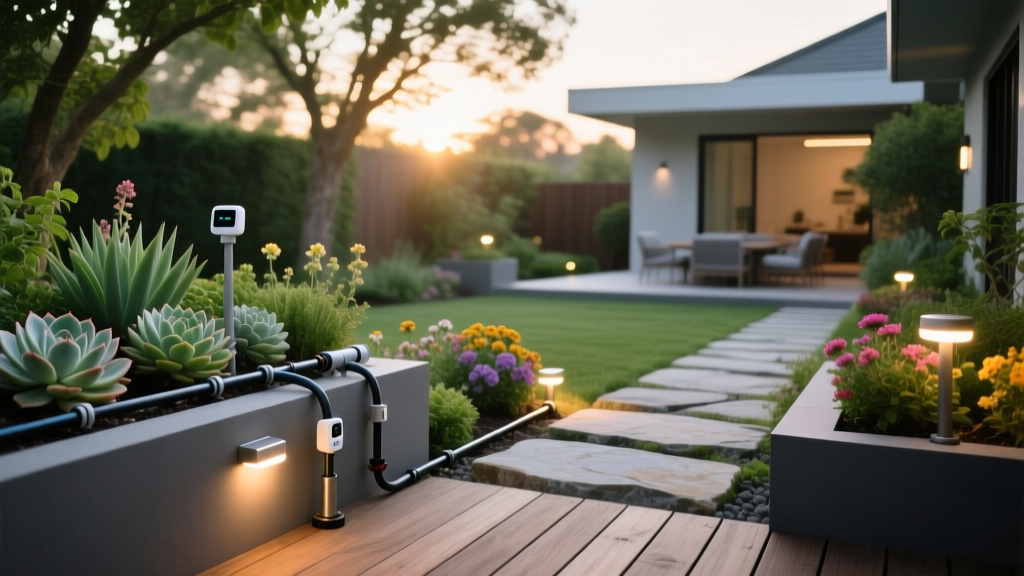
Viral Smart Garden Upgrades For Lighting And Irrigation
Anna KowalskiPublished
The Rise of the Viral Smart Backyard
The modern backyard is no longer just a patch of grass and a basic patio set. Thanks to the explosion of #SmartGarden and #BackyardMakeover trends on platforms like TikTok, Instagram, and Pinterest, homeowners are rapidly transforming their outdoor spaces into high-tech, energy-efficient retreats. Bridging the gap between indoor convenience and outdoor living, these viral smart garden upgrades focus heavily on two critical areas: intelligent irrigation and automated landscape lighting. Not only do these projects look incredible on camera, but they also offer substantial utility savings, eco-friendly water conservation, and hands-free maintenance. In this comprehensive guide, we break down the most popular viral smart garden upgrades, complete with specific product recommendations, step-by-step installation tips, and cost analyses, so you can achieve that trending aesthetic while keeping your lawn and garden thriving.
1. The Wi-Fi Smart Sprinkler Controller
If there is one upgrade that dominates viral landscaping videos, it is the swap from a clunky, dial-based sprinkler timer to a sleek Wi-Fi smart controller. Brands like Rachio 3 and Orbit B-hyve have become household names for good reason. These devices connect to your home network and use local weather data, evapotranspiration rates, and soil type algorithms to water your lawn only when necessary.
Installation and Setup
Replacing your old controller is a surprisingly easy DIY project that typically takes under 30 minutes. First, turn off the power to your existing unit. Take a clear photo of the wiring configuration before disconnecting anything. Most smart controllers use a simple plug-and-play wiring harness or color-coded push-terminals. Once mounted and powered on, the companion app walks you through setting up your specific zones, adjusting for sun exposure, and selecting your soil type (e.g., clay, loam, or sandy).
The Water Savings Data
The environmental and financial benefits are massive. According to the Environmental Protection Agency (EPA), smart irrigation controllers can save the average home nearly 8,800 gallons of water annually. For a typical suburban lawn, this translates to a noticeable drop in your summer water bill, often allowing the $150 to $250 device to pay for itself within a single season.
2. Low-Voltage Smart LED Landscape Lighting
Outdoor lighting is the secret ingredient to the viral 'luxury backyard' look. The current trend is moving away from harsh, high-voltage floodlights toward low-voltage (12V) smart LED pathway and uplighting systems. Products like the Philips Hue Outdoor line or Ring Smart Lighting allow users to change color temperatures, set motion-activated security routines, and create dynamic evening scenes all from a smartphone.
Transformer and Wiring Tips
When upgrading to smart LEDs, pay close attention to your transformer. Smart LEDs draw significantly less wattage than old halogen bulbs. If you are retrofitting an existing system, you may need to downgrade your transformer or add a dummy load to prevent voltage spikes that can fry smart bulbs. For new installations, use 12 AWG or 14 AWG direct-burial wire to minimize voltage drop over long runs. The U.S. Department of Energy notes that outdoor LED lighting uses up to 80% less energy than traditional halogen fixtures and lasts up to 25 times longer, making it a cornerstone of energy-efficient landscaping.
3. Wireless Soil Moisture Sensors
Overwatering is the number one mistake homeowners make, leading to fungal diseases, shallow root growth, and wasted money. Viral gardening influencers are increasingly showcasing wireless soil moisture sensors, such as the Ecowitt WH51 or Xiaomi Flora, to take the guesswork out of plant care. These small, stake-mounted probes measure the exact volumetric water content in the root zone and send real-time data to your phone or smart home hub.
Strategic Placement
For the best results, place sensors in the dripline of your most sensitive shrubs or in the center of your raised vegetable beds. Bury the probe at least 6 inches deep where the active roots are located. When paired with a smart irrigation controller, these sensors can automatically skip a scheduled watering cycle if the soil is already adequately saturated.
Cost and ROI Comparison of Viral Smart Garden Gadgets
| Product Type | Example Brand | Est. Cost | Install Difficulty | Primary Benefit |
|---|---|---|---|---|
| Smart Sprinkler Controller | Rachio 3 (8-Zone) | $229 | Easy (1 Hour) | Saves ~8,800 gallons of water/year |
| Smart LED Pathway Lights | Philips Hue Calla | $180 (2-pack) | Moderate (Trenching) | App-controlled ambiance and security |
| Wireless Soil Sensor | Ecowitt WH51 | $35 | Very Easy (5 Mins) | Prevents overwatering and root rot |
| Smart Faucet Timer | Orbit B-hyve XD | $59 | Very Easy (2 Mins) | Automates drip lines and soaker hoses |
| Outdoor Smart Plug | Kasa EP40 | $25 | Very Easy (1 Min) | Controls existing string lights/pumps |
4. The Viral Hose-Bibb Drip Irrigation Hack
For the garden-to-table enthusiasts growing tomatoes, peppers, and herbs in raised beds, the viral 'hose-bibb drip hack' is a game-changer. Instead of dragging hoses around daily, creators are using smart faucet timers like the Orbit B-hyve XD connected to a pressure regulator, a filter, and 1/4-inch drip tubing. This setup delivers water directly to the base of each plant on a customized schedule.
Efficiency and Yield
Drip irrigation is incredibly efficient. The EPA highly recommends drip irrigation for garden beds, as it delivers water directly to the root zone, reducing evaporation and runoff by up to 50% compared to overhead spraying. By keeping the foliage dry, you also drastically reduce the risk of powdery mildew and blight, leading to healthier, higher-yielding crops for your summer salads and sauces.
Pro-Tips for Outdoor Network Stability
The biggest hurdle to a successful smart garden is Wi-Fi connectivity. Most outdoor smart devices operate on the 2.4GHz band, which offers better range and wall-penetration than 5GHz, but it can still struggle to reach the far corners of a large yard. Here is how the pros solve this:
- Mesh Wi-Fi Systems: Invest in a mesh router system (like Eero or TP-Link Deco) and place a satellite node near a back-facing window or in a weatherproof outdoor enclosure to extend your network footprint.
- Weatherproof Enclosures: When mounting smart plugs or transformers outside, always use NEMA 4X rated enclosures to protect the electronics from rain, dust, and UV degradation.
- Network Segregation: Create a dedicated IoT (Internet of Things) network on your router specifically for your smart garden devices. This reduces bandwidth congestion and improves the reliability of your automated schedules.
Conclusion
Upgrading your outdoor space with smart lighting and intelligent irrigation is one of the most rewarding home improvement projects you can tackle this year. By leveraging trending products and data-driven automation, you can create a stunning, resort-like backyard that conserves water, lowers your utility bills, and practically maintains itself. Whether you are installing a Wi-Fi sprinkler controller to protect your turf or setting up a smart drip system for your raised garden beds, these viral ideas offer real-world value that goes far beyond social media aesthetics.
