Home & Garden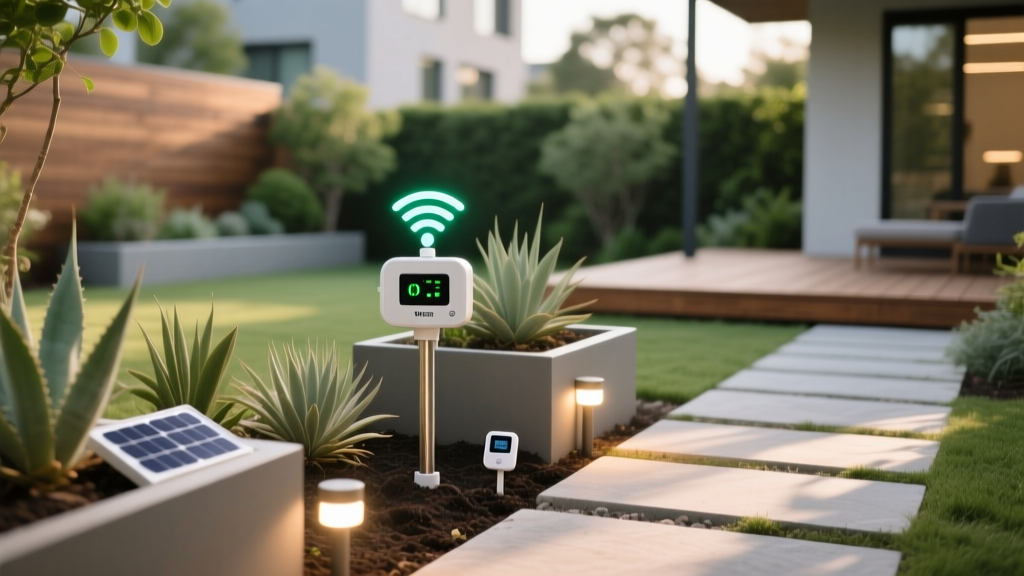
Viral Smart Garden Upgrades That Save Water and Money
Mike RodriguezPublished
The Intersection of Smart Home Tech and Viral Garden Trends
If you have spent any time on TikTok, Instagram, or YouTube Shorts lately, you have likely noticed a massive shift in how homeowners are treating their outdoor spaces. The modern yard is no longer just a patch of grass that requires endless weekend maintenance; it has evolved into a highly curated, tech-enabled extension of the smart home. From 'garden-to-table' vegetable patches monitored by Bluetooth soil sensors to aesthetic, app-controlled lighting setups that rival high-end resorts, viral garden upgrades are bridging the gap between indoor convenience and outdoor beauty.
But these trending hacks are not just about aesthetics or going viral on social media. The best trending outdoor upgrades are rooted in energy efficiency, water conservation, and long-term cost savings. Whether you are looking to lower your summer water bill, boost your curb appeal before a home appraisal, or simply grow better heirloom tomatoes with less effort, integrating smart technology into your landscaping is the ultimate life hack. In this guide, we are breaking down the most popular viral smart garden upgrades, complete with specific product recommendations, installation tips, and the real-world ROI you can expect.
The Viral Smart Irrigation Revolution
One of the most prominent trends in the home and garden space is the replacement of outdated, 'dumb' sprinkler timers with Wi-Fi-enabled smart irrigation controllers. Products like the Rachio 3 and the Orbit B-hyve Smart Controller have taken social media by storm, largely because they offer a satisfying mix of high-tech app control and tangible environmental benefits.
Unlike traditional timers that water your lawn on a rigid schedule regardless of the weather, smart controllers utilize local weather data to adjust watering schedules automatically. This feature, often called 'Weather Intelligence,' skips watering when it is about to rain, during high winds, or during freezing temperatures. According to the EPA WaterSense program, upgrading to a WaterSense-labeled smart irrigation controller can save the average home nearly 7,600 gallons of water annually. For homeowners in drought-prone regions, this translates to hundreds of dollars saved on utility bills each summer.
Furthermore, experts at Colorado State University Extension note that smart controllers prevent the common issue of overwatering, which is a leading cause of shallow root growth and fungal lawn diseases. By applying water only when the landscape needs it, you encourage deeper, more drought-resistant root systems.
Top Viral Smart Controllers Compared
- Rachio 3 (8-Zone): Retails around $229. Famous for its sleek interface, IFTTT smart home integration, and hyper-local weather forecasting.
- Orbit B-hyve XR (6-Zone): Retails around $169. A favorite among DIYers for its intuitive dial interface and robust app, making it a highly rated budget-friendly alternative.
- Wyze Sprinkler Controller: Retails around $75. The ultimate budget viral pick, offering basic weather-based skipping and app control at a fraction of the cost.
'TikTok Made Me Buy It' Solar Lighting Hacks
Outdoor lighting is another category that has seen a massive viral overhaul. The days of buying cheap, plastic, blue-tinted solar stake lights from the hardware store checkout aisle are over. Today's trending garden aesthetics focus on 'hardscape' lighting, warm color temperatures, and strategic shadow-casting that mimics expensive, professionally installed low-voltage systems.
The viral secret? High-lumen, warm-white solar LED hardscape lights and heavy-duty solar bistro string lights. When shopping for solar pathway or deck lights, influencers and landscape designers stress the importance of checking two specifications: Lumens and Kelvin (Color Temperature).
- Lumens: For pathway lighting, look for a minimum of 150 to 200 lumens per fixture. Anything less will look dim and cheap on camera and in person.
- Kelvin: Avoid the harsh 5000K 'daylight' blue tint. The viral aesthetic relies on a warm, inviting 2700K to 3000K color temperature, which creates a cozy, resort-like ambiance.
Beyond aesthetics, proper outdoor lighting is crucial for environmental conservation. DarkSky International advocates for shielded, warm-colored outdoor lighting to reduce light pollution, which disrupts local wildlife and obscures the night sky. By choosing viral, downward-facing solar hardscape lights with warm LEDs, you are not only achieving that coveted Instagram-worthy backyard look but also practicing responsible, dark-sky-friendly landscaping.
The Ultimate Smart Garden ROI Comparison
Are these viral gadgets actually worth the upfront investment? Below is a breakdown comparing traditional landscaping setups with trending smart upgrades, highlighting the potential return on investment.
| Upgrade Type | Traditional Setup | Viral Smart Setup | Estimated Annual Savings |
|---|---|---|---|
| Irrigation Controller | Standard Timer ($40) | Wi-Fi Weather-Based ($150-$250) | $100 - $250 (Water Bill) |
| Pathway Lighting | Hardwired Halogen ($300+) | Solar LED Hardscape 2700K ($120) | $50 - $80 (Electricity) |
| Soil Monitoring | Manual Finger Test ($0) | Bluetooth Soil Sensor ($40-$60) | Prevents $500+ plant loss |
| Lawn Mowing | Gas Push Mower ($350) | Entry-level Robot Mower ($600) | Saves 40+ hours of labor |
Step-by-Step: Installing a Smart Irrigation System
One of the main reasons smart controllers go viral is that they are surprisingly easy to install, requiring no professional landscaping background. Here is how you can upgrade your system in under an hour:
Step 1: Audit Your Current Zones
Before buying a controller, open your existing sprinkler timer and count the number of 'zones' or 'stations' wired in. Most residential lawns require between 4 and 8 zones. Purchase a smart controller that matches or slightly exceeds your zone count.
Step 2: Map the Wiring
Take a clear, well-lit photo of the existing wiring inside your old controller. You will see a series of colored wires (representing each zone) and a white or bare copper wire (the common wire). Label each wire with the painter's tape and a marker.
Step 3: Swap the Hardware
Turn off the power to the sprinkler system at the breaker. Remove the old unit, mount the new smart controller's backplate using the provided drywall anchors, and feed the wires through the center hole. Reconnect the wires to the corresponding terminals on the new smart controller.
Step 4: Connect to Wi-Fi and Map the App
Restore power, download the manufacturer's app, and connect the device to your home's 2.4GHz Wi-Fi network. The app will walk you through a setup wizard where you define each zone by plant type (e.g., cool-season grass, shrubs, drip lines), soil type (e.g., clay, loam), and sun exposure. The algorithm will then generate a custom, water-efficient schedule.
Garden-to-Table Tech: Viral Soil Sensors
The 'grow your own food' movement has exploded online, with millions of users sharing their garden-to-table harvests. However, the biggest hurdle for novice gardeners is knowing exactly when to water their raised beds. Overwatering tomatoes leads to root rot and blossom end rot, while underwatering peppers causes them to drop their flowers.
Enter the viral Bluetooth Soil Moisture Sensor (such as the Ecowitt WH51 or Xiaomi Mi Flora). These inexpensive probes ($15 to $40 each) are pushed directly into the root zone of your raised beds or container gardens. They connect to a central hub or directly to your smartphone, sending push notifications when soil moisture drops below a customizable threshold.
For the ultimate viral garden hack, pair a smart soil sensor with a smart plug connected to your drip irrigation pump or hose timer. When the sensor detects that your heirloom tomatoes are dry, it can automatically trigger the smart plug to turn on the water for exactly 15 minutes, ensuring perfect, consistent moisture levels without you ever having to lift a finger.
Seasonal Maintenance for Your Smart Garden
To keep your viral upgrades functioning flawlessly year-round, seasonal maintenance is required. In the late fall, remember to use the 'winterize' feature on your smart irrigation app. This feature automatically shuts off the watering schedule and reminds you to blow out your sprinkler lines with compressed air to prevent frozen, cracked PVC pipes. For solar lighting, make a habit of wiping the photovoltaic panels with a damp microfiber cloth every few months to remove dust, pollen, and bird droppings that can block sunlight and reduce battery charging efficiency.
Conclusion: Upgrading Your Outdoor Oasis
The intersection of smart home technology and outdoor landscaping is more than just a fleeting internet trend; it represents a fundamental shift toward more sustainable, efficient, and enjoyable home ownership. By investing in a Wi-Fi smart irrigation controller, swapping out harsh pathway lights for warm, dark-sky-friendly solar LEDs, and utilizing soil sensors for your garden-to-table vegetables, you are future-proofing your landscape. Not only will your yard look like it belongs on the pages of a luxury design magazine, but you will also reclaim your weekends, lower your utility bills, and conserve vital natural resources. The best part? You do not need a professional landscaping crew to pull it off. With a few viral gadgets and a free Saturday afternoon, your smart garden oasis is just an app download away.
