Grass Types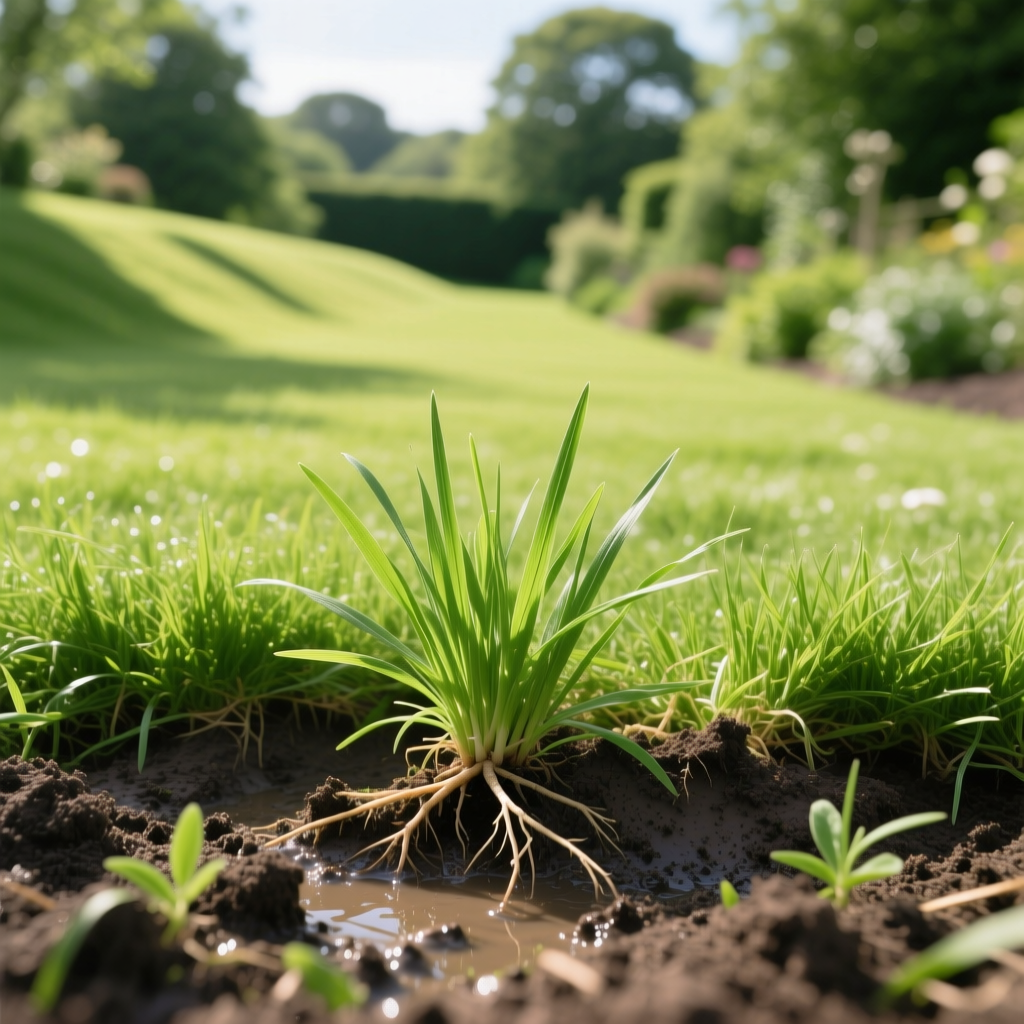
What Is the Best Grass Seed for Clay Soil in the UK?...
Emily WatsonPublished
What Is the Best Grass Seed for Clay Soil in the UK?
Clay soil is one of the most common soil types across the United Kingdom, and it presents a unique set of challenges for homeowners trying to establish a lush, green lawn. Heavy, dense, and prone to waterlogging in winter while cracking and drying out in summer, clay soil demands careful selection of grass varieties that can cope with these extreme conditions. Choosing the wrong grass seed for clay soil often leads to patchy growth, poor root establishment, and a lawn that struggles year after year.
The good news is that several grass species have evolved to thrive in precisely these conditions. By understanding the characteristics of clay soil and matching it with the right seed mix, you can create a resilient, attractive lawn that withstands the British climate. In this comprehensive guide, we will explore the best grass seed options for clay soil in the UK, how to prepare your ground for sowing, and the ongoing maintenance required to keep your clay-soil lawn looking its best.
If you are new to lawn establishment or want a broader understanding of grass varieties, our complete grass types guide covers everything you need to know about selecting the right species for your garden.
Understanding Clay Soil and Its Impact on Grass Growth
Before selecting a grass seed, it is essential to understand what makes clay soil so distinctive and why it affects lawn health the way it does. Clay soil is composed of extremely fine mineral particles, typically less than 0.002 millimetres in diameter. These tiny particles pack tightly together, leaving very little space for air and water movement. The result is a soil type that is nutrient-rich but physically challenging for grass roots to penetrate.
Key Characteristics of UK Clay Soil
Clay soils across Britain share several defining traits that directly influence which grass varieties will succeed:
- High water retention: Clay holds moisture for extended periods, which can lead to waterlogging during autumn and winter months. Grass roots sitting in saturated soil are vulnerable to rot and fungal diseases.
- Poor drainage: Water percolates slowly through clay, meaning puddles can remain on the surface for hours or even days after heavy rainfall.
- Compaction tendency: Foot traffic and heavy rainfall compress clay particles even further, creating a hard surface that restricts root growth and oxygen availability.
- Nutrient density: On the positive side, clay soils tend to be rich in essential minerals such as potassium, calcium, and magnesium, providing excellent nutrition once grass becomes established.
- Seasonal extremes: Clay expands when wet and contracts when dry, leading to cracking in summer and a boggy surface in winter. Grass must tolerate both conditions.
- Slow warming in spring: Clay takes longer to warm up than sandy or loamy soils, which can delay the start of the growing season for your lawn.
Understanding these characteristics helps explain why certain grass species outperform others on clay. You need varieties with deep, vigorous root systems capable of breaking through compacted layers and tolerating periods of both saturation and drought. For more information on identifying your soil type, visit our soil testing guide.
Best Grass Seed Varieties for Clay Soil in the UK
Not all grass species are created equal when it comes to handling clay soil conditions. The following varieties have proven track records across British gardens and are widely recommended by lawn care professionals for clay-heavy ground.
Perennial Ryegrass (Lolium perenne)
Perennial ryegrass is arguably the most popular grass species in the UK and for good reason. It establishes quickly, often germinating within five to ten days, and develops an aggressive root system that can penetrate compacted clay effectively. Modern cultivars of perennial ryegrass have been bred for finer leaves and improved density, making them suitable for both ornamental and family lawns.
One of the greatest strengths of perennial ryegrass on clay soil is its wear tolerance. If your lawn sees regular foot traffic from children, pets, or entertaining, this species will recover faster than most alternatives. It also performs well in the cool, moist conditions that typify much of the British growing season.
Recommended cultivars for clay soil: Look for turf-type perennial ryegrass varieties such as ‘Aberimp’, ‘Carnival’, or ‘Stefani’. These have been specifically bred for denser growth and improved disease resistance, which is important on moisture-retentive clay where fungal pressure can be high.
Tall Fescue (Festuca arundinacea)
Tall fescue has gained significant popularity in the UK in recent years, and it is particularly well-suited to clay soil. This species develops exceptionally deep roots, sometimes reaching depths of over one metre, which allows it to access moisture and nutrients well below the compacted surface layer. During dry summer periods when clay cracks and hardens, tall fescue continues to draw water from deeper soil horizons, maintaining its green colour when other grasses turn brown.
Modern turf-type tall fescue cultivars have much finer leaves than older varieties, creating a lawn that is both attractive and tough. Tall fescue also shows excellent resistance to many common lawn diseases, including red thread and fusarium patch, which frequently affect lawns on poorly drained clay soil.
Recommended cultivars for clay soil: Varieties such as ‘Rhambler’, ‘Firecracker’, and ‘Starlette’ offer fine texture combined with outstanding drought tolerance and deep rooting ability.
Smooth-Stalked Meadow Grass (Poa pratensis)
Known in North America as Kentucky bluegrass, smooth-stalked meadow grass is a rhizomatous species that spreads laterally through underground stems called rhizomes. This growth habit makes it exceptionally effective at filling in bare patches and creating a dense, uniform turf on clay soil. The rhizomes also help to bind soil particles together, which can gradually improve clay structure over time.
Smooth-stalked meadow grass has good cold tolerance and remains green throughout much of the British winter, although it is slower to establish from seed than perennial ryegrass. Germination can take fourteen to twenty-one days, and the young plants require consistent moisture during their first growing season. Once established, however, this species forms a remarkably resilient lawn.
Recommended cultivars for clay soil: Look for varieties such as ‘Conni’, ‘Mirus’, or ‘Balin’, which combine good establishment speed with strong rhizomatous growth.
Creeping Red Fescue (Festuca rubra)
Creeping red fescue is a fine-leaved grass species that is often included in seed mixes for clay soil, particularly where a more ornamental appearance is desired. It tolerates shade better than most lawn grasses, making it a valuable component in gardens with overhanging trees or north-facing aspects where clay soil tends to stay damp for longer periods.
While creeping red fescue does not have the deep rooting ability of tall fescue or the wear tolerance of perennial ryegrass, it contributes density and a fine texture to the overall sward. It is best used as part of a mix rather than as a standalone species on clay soil.
Recommended Seed Mix Ratios for Clay Soil
For most UK lawns on clay soil, a blended seed mix will deliver better results than any single species. A mix leverages the strengths of each variety while compensating for individual weaknesses. Here are two proven formulations:
Family lawn mix for clay soil:
- 50% perennial ryegrass (turf-type cultivars)
- 25% tall fescue
- 15% smooth-stalked meadow grass
- 10% creeping red fescue
Ornamental lawn mix for clay soil:
- 35% smooth-stalked meadow grass
- 30% creeping red fescue
- 20% perennial ryegrass (fine-leaved cultivars)
- 15% tall fescue
For additional guidance on choosing the right seed blend for your specific needs, our grass seed selection guide provides detailed advice on reading seed labels and understanding cultivar differences.
How to Prepare Clay Soil for Sowing Grass Seed
Even the best grass seed will struggle if the clay soil beneath it has not been properly prepared. Ground preparation is the single most important factor in establishing a successful lawn on clay, and investing time at this stage will pay dividends for years to come.
Testing and Amending Your Clay Soil
Begin by testing your soil pH. Clay soils in the UK typically range from slightly acidic to neutral (pH 5.5 to 7.0). Most lawn grasses prefer a pH between 6.0 and 7.0, so you may need to apply garden lime if your soil is too acidic. A simple home testing kit or professional soil analysis will give you the information you need.
Adding organic matter is the most effective long-term strategy for improving clay soil structure. Well-rotted manure, composted bark, or spent mushroom compost can be incorporated into the top fifteen centimetres of soil to improve drainage, aeration, and biological activity. Aim to add approximately four to six kilograms of organic matter per square metre during initial preparation.
Sharp sand or horticultural grit can also be worked into the surface layer to improve drainage, although it must be added in generous quantities to have a meaningful effect. A common recommendation is to mix one part sharp sand to four parts clay soil by volume in the top ten centimetres.
Digging and Levelling
Thoroughly dig the area to a depth of at least twenty centimetres, breaking up compacted layers and removing stones, weeds, and debris. For large areas, a rotovator can save considerable time and effort, but be careful not to work the soil when it is wet, as this will create clods that are extremely difficult to break down once they dry.
After digging, allow the soil to settle for two to three weeks if possible. During this period, any weed seeds that have been brought to the surface will germinate and can be hoed off before sowing. This technique, known as a stale seedbed, significantly reduces weed competition during the critical establishment phase of your new lawn.
Rake the surface to create a fine, level tilth. The ideal seedbed should have a crumbly texture with particle sizes no larger than a pea. Firm the surface by treading heel-to-toe across the entire area, then rake lightly once more to create a slightly loose surface layer for seed contact.
Improving Drainage Before Sowing
If your clay soil is severely waterlogged, you may need to install drainage before sowing. This could involve creating a slight fall across the lawn surface (approximately one in eighty gradient) to direct surface water towards a drain or soakaway. In extreme cases, a herringbone drainage system using perforated pipes laid in gravel-filled trenches may be necessary.
Raising the lawn level slightly above surrounding paths and borders can also help by encouraging surface water to run off rather than pooling on the grass. Even a modest increase of five to ten centimetres can make a noticeable difference on flat, heavy clay sites.
For more detailed advice on dealing with waterlogged lawns, read our lawn drainage solutions guide.
Establishing and Maintaining a Clay Soil Lawn
Once your ground is prepared and your seed is sown, the focus shifts to helping your new lawn become established and then maintaining it for long-term health and appearance.
Sowing Tips for Clay Soil
The best time to sow grass seed on clay soil in the UK is from late March through May or from late August through early October. Spring sowing benefits from increasing soil temperatures and typically reliable rainfall, while autumn sowing takes advantage of warm soil and reduced weed competition.
Sow seed at a rate of thirty-five to fifty grams per square metre, depending on the species mix. Use a broadcast spreader for even coverage, or sow by hand using a consistent overlapping pattern. Rake very lightly after sowing to ensure seed-to-soil contact, but do not bury the seed deeper than five millimetres.
On clay soil, it is particularly important to keep the surface moist but not saturated during germination. Light, frequent watering is preferable to heavy irrigation, which can cause seed to wash into low spots or become buried in mud. If dry weather persists after sowing, water daily with a fine-rose watering can or a sprinkler set to a gentle mist.
First Year Maintenance
Mow your new lawn for the first time when the grass reaches approximately seven to eight centimetres in height. Set your mower to a high cut (around five centimetres) and never remove more than one-third of the blade length in a single pass. Gradually lower the cutting height over subsequent mows until you reach your desired height, typically between two and four centimetres for most clay soil lawns.
Apply a balanced fertiliser six to eight weeks after germination to support vigorous root development. On clay soil, nitrogen requirements may be slightly lower than on sandy soils because clay naturally retains nutrients more effectively. A fertiliser with an NPK ratio of approximately 12-4-8 is a good starting point. For comprehensive feeding advice, see our lawn fertiliser guide.
Avoid heavy use of your new lawn during its first growing season. The root system needs time to develop fully and anchor into the clay beneath. Excessive traffic on young grass can cause compaction that is particularly damaging on clay soils.
Ongoing Care and Seasonal Maintenance
Once established, a lawn on clay soil requires a maintenance routine that addresses the specific challenges of this soil type:
- Aeration: This is arguably the most important ongoing task for clay soil lawns. Hollow-tine aeration should be carried out at least once per year, ideally in autumn, to relieve compaction and allow air, water, and nutrients to reach the root zone. On heavily used lawns, consider aerating twice per year.
- Scarification: Clay soil lawns are prone to thatch buildup because microbial activity can be slower in heavy, poorly aerated soils. Scarify in early autumn to remove thatch and encourage dense, healthy growth. Our scarifying guide explains the process in detail.
- Top dressing: Applying a thin layer of sandy loam top dressing after aeration helps to fill the holes and gradually improves the surface structure of clay soil over time. Use a mix of approximately seventy percent sharp sand and thirty percent loam or compost.
- Moss control: The damp, compacted conditions of clay soil are ideal for moss. Regular aeration, appropriate mowing heights, and iron-based moss treatments will help keep moss at bay. Visit our moss removal guide for more strategies.
- Overseeding: Annual overseeding in autumn helps to maintain density and fill in any bare patches that develop. Use the same seed mix as your original sowing for consistency.
Comparison of Grass Varieties for Clay Soil
The following table summarises how the main grass species compare when grown on clay soil in the UK. Use this as a quick reference when deciding which variety or mix best suits your garden.
| Characteristic | Perennial Ryegrass | Tall Fescue | Smooth-Stalked Meadow Grass | Creeping Red Fescue |
|---|---|---|---|---|
| Germination Speed | Fast (5-10 days) | Moderate (7-14 days) | Slow (14-21 days) | Moderate (10-14 days) |
| Root Depth | Moderate-Deep | Very Deep | Moderate | Shallow-Moderate |
| Drought Tolerance | Moderate | Excellent | Moderate | Moderate |
| Waterlogging Tolerance | Good | Moderate | Good | Good |
| Wear Tolerance | Excellent | Good | Good | Poor-Moderate |
| Shade Tolerance | Moderate | Moderate | Moderate | Good |
| Disease Resistance | Good | Excellent | Moderate-Good | Moderate |
| Mowing Frequency | High | Moderate | Moderate | Low-Moderate |
| Establishment Cost | Low | Low-Moderate | Moderate | Low |
| Best Use | Family lawns, high traffic | Drought-prone clay, low maintenance | Ornamental lawns, cold areas | Shaded areas, fine lawns |
As the table illustrates, no single species excels in every category. This is why blended seed mixes remain the preferred approach for most clay soil lawns in the UK. By combining species with complementary strengths, you create a sward that can handle the full range of conditions that clay soil presents throughout the year.
If your garden has areas with significantly different conditions, such as full sun and deep shade, you may benefit from using different seed mixes in different zones. Our shade-tolerant grass guide covers options for those challenging areas beneath trees and alongside buildings.
Common Mistakes to Avoid When Growing Grass on Clay Soil
Even with the right seed selection, several common errors can undermine your efforts to establish a healthy lawn on clay soil. Being aware of these pitfalls will help you avoid frustration and wasted effort.
Working the Soil When Wet
Clay soil is extremely sensitive to moisture content during cultivation. Digging, rotovating, or even walking on clay when it is wet will destroy its structure, creating compacted clods that are almost impossible to remedy without waiting for them to dry and then breaking them down mechanically. Always wait until the soil is moist but not sticky before working it.
Ignoring Drainage
Many gardeners sow grass seed on clay soil without addressing drainage issues first. While choosing moisture-tolerant species helps, there is a limit to how much waterlogging even the best-adapted grasses can endure. If your lawn regularly has standing water after rain, drainage improvements must come before sowing.
Cutting Too Short
Scalping a lawn on clay soil is particularly damaging because the shallow, stressed root system that results is unable to cope with the alternating wet and dry cycles that clay imposes. Maintain a cutting height of at least three centimetres during the growing season and increase this to four or five centimetres during periods of stress, such as summer drought or winter waterlogging.
Skipping Aeration
Compaction is the single biggest ongoing threat to lawns on clay soil. Without regular aeration, the soil becomes progressively denser, roots become shallower, and the lawn becomes increasingly susceptible to disease, moss, and weed invasion. Make aeration a non-negotiable part of your annual lawn care routine.
Over-Fertilising
Clay soil already holds nutrients effectively, so excessive fertiliser application can lead to rapid, lush top growth at the expense of root development. This creates a lawn that looks good temporarily but is actually becoming weaker and more dependent on chemical inputs. Feed moderately and focus on building soil health through organic matter additions and biological activity.
Frequently Asked Questions About Grass Seed for Clay Soil
Can I grow a lawn on heavy clay without improving the soil first?
While it is technically possible to sow grass seed directly onto unimproved clay soil, the results are almost always disappointing. Without incorporating organic matter and addressing drainage, the grass will struggle to establish deep roots and will be vulnerable to waterlogging, drought stress, and disease. Investing time in soil preparation before sowing will give you a significantly better lawn with far less ongoing maintenance. At minimum, cultivate the top fifteen centimetres of soil, incorporate organic matter, and level the surface before sowing.
How often should I aerate a lawn on clay soil?
Lawns on clay soil benefit from aeration at least once per year, ideally in early autumn when the soil is moist but not saturated and the grass is still actively growing. Hollow-tine aeration, which removes small cores of soil, is more effective than solid-tine aeration on clay because it physically removes material and creates space for the surrounding soil to expand into. If your lawn receives heavy use or shows signs of compaction such as pooling water or thinning grass, consider aerating twice per year, once in spring and once in autumn.
Is tall fescue better than perennial ryegrass for clay soil?
Both species have strengths on clay soil, and the better choice depends on your specific priorities. Tall fescue offers deeper roots, superior drought tolerance, and lower maintenance requirements, making it ideal for lawns that need to cope with dry summers or where minimal care is preferred. Perennial ryegrass, on the other hand, establishes faster, tolerates heavier wear, and produces a denser sward, making it better suited to family lawns with high foot traffic. For most UK gardens on clay, a mix containing both species will deliver the best overall performance.
Why does my clay soil lawn turn yellow in winter?
Yellowing on clay soil lawns during winter is typically caused by waterlogging, which reduces oxygen availability to the roots and impairs nutrient uptake. Cold temperatures also slow the grass’s ability to absorb iron and nitrogen, leading to chlorosis even when these nutrients are present in the soil. Improving drainage through aeration and top dressing, applying an autumn fertiliser with adequate potassium to harden the grass, and avoiding walking on the lawn during wet periods will all help to reduce winter yellowing. Some yellowing is normal for many grass species during the coldest months and should resolve as temperatures rise in spring.
Should I add sand to my clay soil before sowing grass seed?
Adding sharp sand to clay soil can improve drainage and workability, but only if used in sufficient quantities. A light sprinkling of sand on the surface will have virtually no effect and may actually make compaction worse by filling the spaces between clay particles. To make a meaningful difference, you need to incorporate sand at a ratio of approximately one part sand to four parts clay by volume in the top ten to fifteen centimetres of soil. Use only sharp sand or horticultural grit, never builders’ sand or soft sand, which have rounded particles that do not improve drainage. For many gardeners, incorporating generous quantities of organic matter is a more practical and equally effective alternative to sand amendment. Our soil improvement guide covers amendment strategies in greater detail.
Establishing a beautiful lawn on clay soil is entirely achievable with the right approach. By selecting grass varieties that are naturally adapted to heavy, moisture-retentive conditions, preparing the ground thoroughly, and committing to a maintenance routine that addresses compaction and drainage, you can enjoy a dense, green lawn that enhances your garden for decades. The key is patience and consistency. Clay soil lawns may take a little longer to establish than those on lighter soils, but once the root system is fully developed, they are among the most resilient and rewarding lawns you can grow in the UK climate.