Lawn Care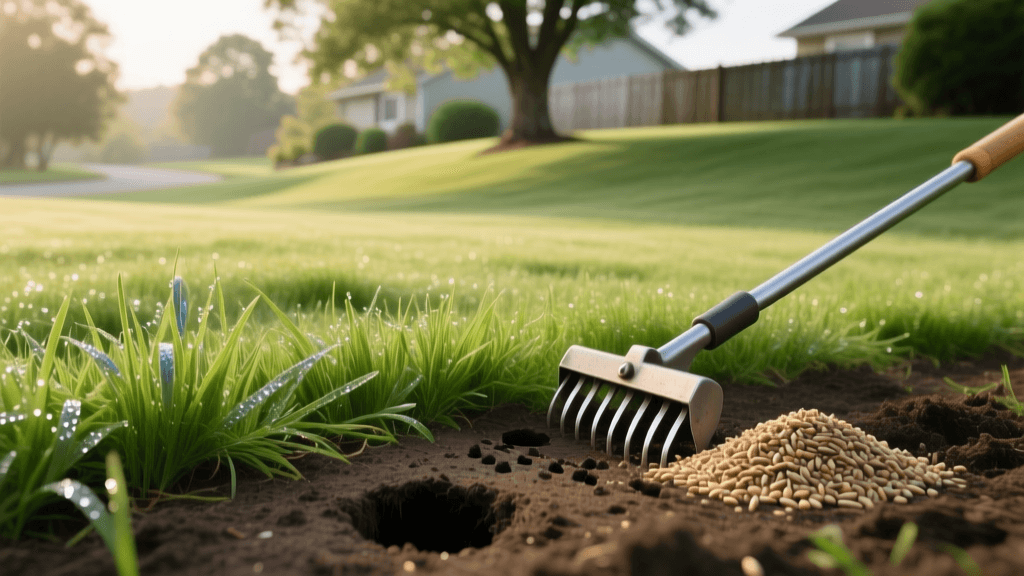
When to Aerate and Overseed Your Lawn: Seasonal Guide
Why Timing is Everything for Aeration and Overseeding
Achieving a thick, vibrant, and weed-resistant lawn requires much more than simply scattering grass seed over thinning patches and turning on the sprinklers. The single most critical factor in the success of lawn aeration and overseeding is seasonal timing. Grass seed germination, root establishment, and the natural recovery cycles of your turf are all dictated by soil temperature, daylight hours, and seasonal moisture patterns.
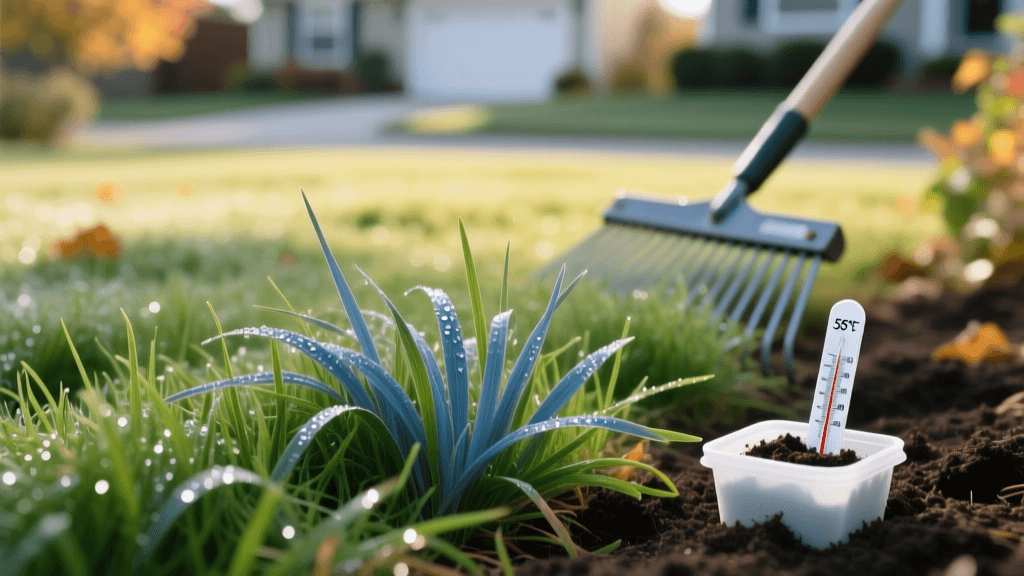
Many homeowners make the mistake of basing their lawn care schedule on the air temperature or the calendar date alone. However, turfgrass roots respond to soil temperature. Investing in a simple soil thermometer (available for under $15 at most garden centers) and taking readings at a depth of 2 to 3 inches will provide the most accurate data for your planting schedule. If you aerate and overseed at the wrong time of year, your seed may fail to germinate, wash away during heavy spring rains, or burn up in the peak heat of summer before the root system can establish.
Pro Tip: Always measure soil temperature at a depth of 2 to 3 inches in a shaded area of your lawn during the early morning for the most consistent and accurate reading.
The Best Time to Aerate and Overseed Cool-Season Lawns
Cool-season grasses—such as Tall Fescue, Kentucky Bluegrass, and Perennial Ryegrass—thrive in the cooler temperatures of spring and fall, and they typically go dormant or experience severe stress during the heat of summer. Because of this growth cycle, the absolute best time to aerate and overseed a cool-season lawn is in the late summer to early fall.
Target Window and Soil Temperatures
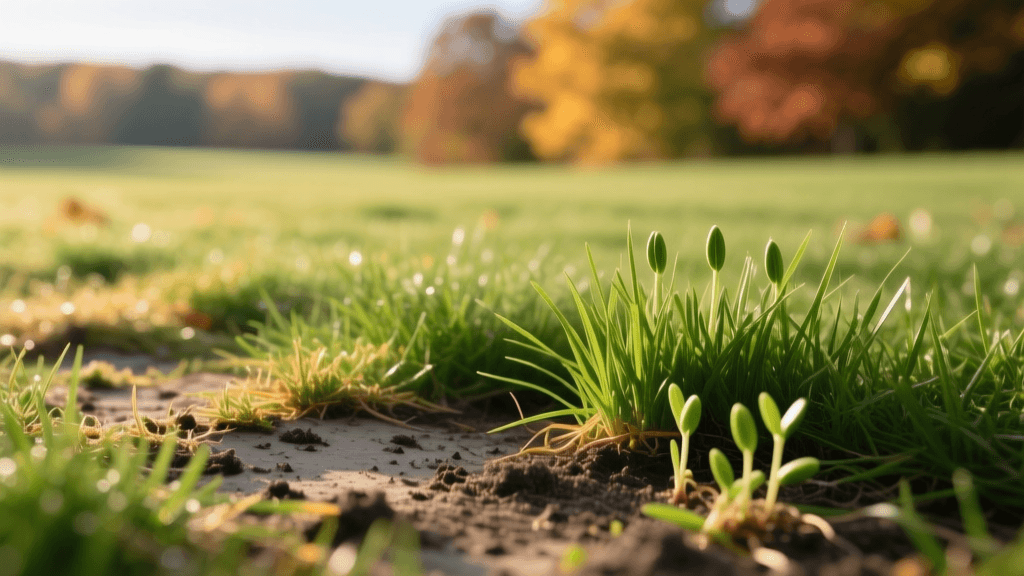
Depending on your specific USDA Hardiness Zone, this window generally falls between August 15 and October 15. You are looking for soil temperatures that have dropped to between 50°F and 65°F. During this period, the soil retains enough warmth from the summer to encourage rapid seed germination (usually within 7 to 14 days for ryegrass and fescue), while the cooling autumn air prevents heat stress on the tender new seedlings.
According to the Rutgers Center for Turfgrass Science, fall overseeding gives cool-season grasses two full growing seasons (fall and the following spring) to establish deep, drought-resistant root systems before facing the brutal stress of their first summer. Fall also brings natural rainfall, fewer competing weeds, and a reduced risk of fungal diseases compared to spring planting.
Spring Overseeding: A Secondary Option
While fall is ideal, spring overseeding (mid-April to early May) is sometimes necessary if your lawn suffered severe winter damage. However, spring planting comes with significant challenges: you cannot apply standard pre-emergent crabgrass preventers without also inhibiting your new grass seed, and the impending summer heat will stress shallow-rooted seedlings.
The Best Time to Aerate and Overseed Warm-Season Lawns
Warm-season grasses—including Bermudagrass, Zoysiagrass, and Centipedegrass—operate on a completely opposite biological clock. These grasses green up in late spring, peak in the sweltering heat of mid-summer, and go dormant (turning brown) after the first hard frost of autumn. Therefore, aerating and overseeding warm-season lawns must be done when the grass is actively growing and soil temperatures are rising.
Target Window and Soil Temperatures
The optimal window for warm-season aeration and overseeding is late spring to early summer, typically from May through June. You should wait until the soil temperature consistently reaches 65°F to 75°F at a 2-inch depth. The University of Georgia Extension emphasizes that aerating warm-season grasses during their peak summer growth phase ensures that the turf can rapidly heal the aeration holes and outcompete summer weeds.
A Note on St. Augustinegrass
It is important to note that St. Augustinegrass is rarely propagated via seed due to poor seed viability and low commercial availability. If you have a St. Augustine lawn, you will skip overseeding entirely and instead focus on planting sod or plugs during the warm months of May through July to fill in bare spots.
Seasonal Lawn Care Timing Chart
Use the following reference table to plan your aeration and overseeding schedule based on your primary grass type.
| Grass Type | Classification | Best Aeration Window | Best Overseeding Window | Target Soil Temp |
|---|---|---|---|---|
| Tall Fescue | Cool-Season | Aug 15 - Oct 15 | Aug 15 - Oct 15 | 50°F - 65°F |
| Kentucky Bluegrass | Cool-Season | Aug 15 - Oct 15 | Aug 15 - Oct 15 | 50°F - 65°F |
| Perennial Ryegrass | Cool-Season | Aug 15 - Oct 15 | Aug 15 - Oct 15 | 50°F - 65°F |
| Bermudagrass | Warm-Season | May 1 - June 30 | May 1 - June 30 | 65°F - 75°F |
| Zoysiagrass | Warm-Season | May 15 - July 15 | May 15 - July 15 | 65°F - 75°F |
| Centipedegrass | Warm-Season | May 15 - July 15 | May 15 - July 15 | 70°F - 80°F |
Step-by-Step Preparation and Execution
Once you have identified the correct seasonal window, proper execution is vital. Professional lawn care services typically charge between $75 and $200 for core aeration depending on yard size, but many homeowners choose to rent a core aerator for about $80 per day.
1. Mow and Clear the Lawn
Before aerating, mow your lawn slightly shorter than your usual maintenance height. For Tall Fescue, drop the mower deck to 1.5 or 2 inches. This allows the aeration tines to penetrate the soil easily and ensures the new seed will reach the soil surface rather than getting trapped in the thatch layer. Rake away any heavy debris or thick thatch (greater than 0.5 inches).
2. Perform Core Aeration
Always use a core aerator (which pulls out plugs of soil) rather than a spike aerator (which simply punches holes and can worsen soil compaction). Run the aerator over your lawn in two perpendicular directions to ensure maximum coverage. Your goal is to pull cores that are 2 to 3 inches deep and spaced about 3 to 4 inches apart. Leave the soil plugs on the lawn; they will break down naturally over the next two weeks and return valuable microbes to the surface.
3. Apply Seed and Starter Fertilizer
Immediately after aeration, spread your grass seed using a broadcast spreader. For overseeding a Tall Fescue lawn, apply seed at a rate of 5 to 6 lbs per 1,000 square feet. Follow this up with a high-phosphorus starter fertilizer (such as a 10-18-10 NPK ratio) to promote rapid root development. The aeration holes will act as perfect, protected micro-environments for the seed to fall into, ensuring vital seed-to-soil contact.
4. The Watering Schedule
Watering is where most DIY overseeding projects fail. New grass seed must remain consistently moist until it germinates. You will need to water lightly 2 to 3 times per day for 5 to 10 minutes per zone for the first 14 to 21 days. Once the seedlings reach 1 inch in height, transition to deeper, less frequent watering (about 1 inch per week) to encourage deep root growth.
Common Timing Mistakes to Avoid
Even with the best equipment and premium seed, poor timing can ruin your efforts. Avoid these common seasonal mistakes:
- Applying Pre-Emergent Herbicides Too Close to Seeding: Pre-emergents prevent seeds from germinating. As noted by turf researchers at the University of Nebraska-Lincoln Turfgrass Science program, you must wait at least 6 to 8 weeks after applying a standard pre-emergent before overseeding, or wait until the new grass has been mowed at least three times before applying a pre-emergent in the fall.
- Aerating During a Drought: Never aerate a lawn that is severely drought-stressed or when the ground is baked hard. The aerator tines will not penetrate the soil, and the open holes will expose the existing grass roots to drying winds, causing severe damage.
- Overseeding Right Before the Winter Freeze: For cool-season lawns, if you plant seed in late October or November in northern climates, the seed may germinate but the seedlings will be killed by the first hard frost before they can establish a root system capable of surviving the winter.
- Ignoring Soil Tests: Timing your planting perfectly won't matter if your soil pH is wildly off. Always conduct a soil test 30 days before your planned aeration. Most turfgrasses prefer a pH between 6.0 and 7.0. If your soil is too acidic, apply pelletized limestone at the time of aeration so it can be worked into the soil profile.
By aligning your aeration and overseeding efforts with the natural biological rhythms of your specific grass type, you will drastically reduce weed competition, minimize water waste, and cultivate a dense, resilient lawn that can withstand the extremes of your local climate.