Lawn Care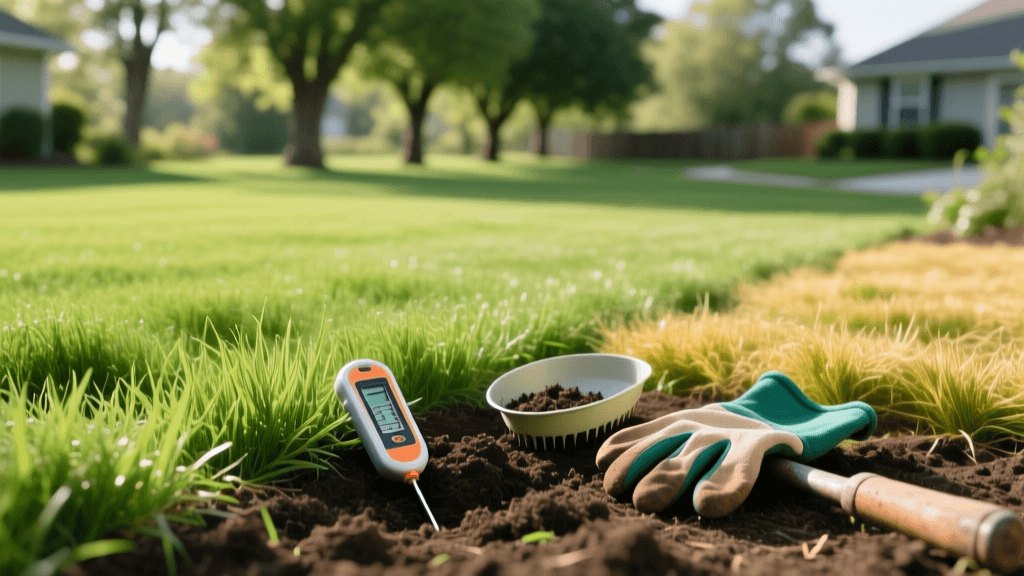
When to Overseed Your Lawn: Seasonal Timing Guide
The Science of Seed Germination and Soil Temperature
Overseeding is one of the most effective and cost-efficient ways to rejuvenate a thinning lawn, choke out invasive weeds, and improve overall turf density. However, the success of your overseeding project hinges almost entirely on seasonal timing and planting schedules. Many homeowners make the critical mistake of dropping seed based on the air temperature or the calendar date, rather than paying attention to the soil temperature. According to turfgrass agronomists, seed germination is triggered by consistent soil temperatures at a depth of two inches. If the soil is too cold, seeds will sit dormant and risk rotting or being eaten by birds. If the soil is too hot, young seedlings will suffer from severe heat stress and desiccation before their root systems can establish.
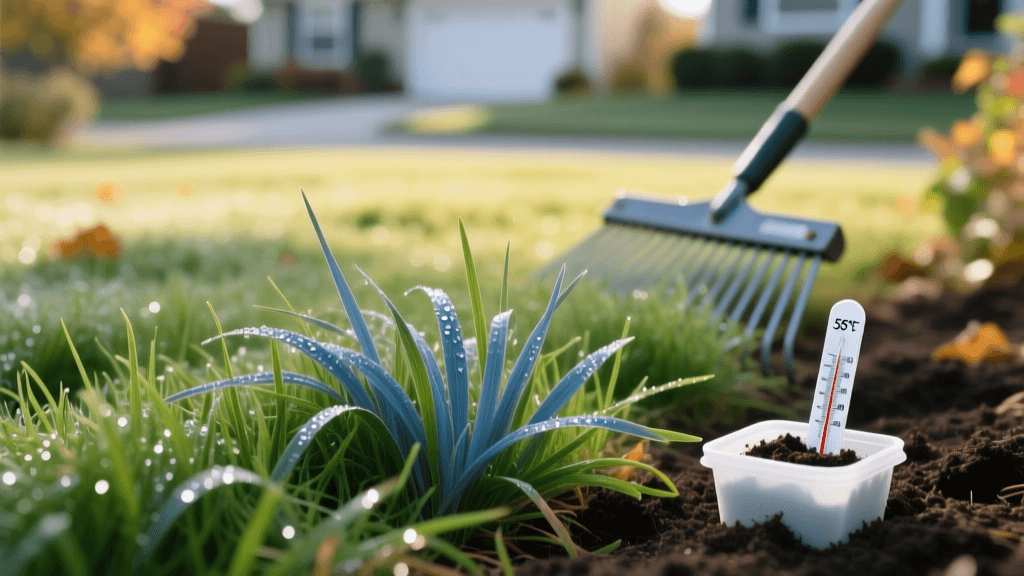
To accurately gauge planting schedules, you must invest in a standard soil thermometer. Insert the probe two inches into the ground in the morning to get a baseline reading. Understanding the distinct biological needs of cool-season versus warm-season grasses is the first step in mastering the seasonal timing of lawn renovation. As noted by experts at Penn State Extension, matching your seed application to the natural growth cycles of your specific turfgrass variety is the single most important factor in achieving a thick, lush, and resilient lawn.
When to Overseed Cool-Season Grasses
Cool-season grasses, such as Kentucky Bluegrass, Tall Fescue, Perennial Ryegrass, and Fine Fescue, thrive in the northern two-thirds of the United States (USDA Hardiness Zones 3 through 7). The absolute best time to overseed cool-season lawns is in the late summer to early fall, typically between mid-August and mid-October, depending on your specific latitude.
Why is fall the superior season for cool-season planting? First, the soil is still warm from the summer months, which accelerates seed germination. Second, the ambient air temperatures are beginning to cool, which drastically reduces heat stress and evaporation rates on tender new seedlings. Third, fall weed competition is minimal. Broadleaf weeds and crabgrass are naturally winding down their life cycles, meaning your new grass will not have to compete aggressively for water, sunlight, and soil nutrients.
If you miss the fall window, the secondary planting schedule for cool-season grasses is early spring (mid-March to mid-April). However, spring overseeding comes with significant challenges. You will face intense competition from spring-germinating weeds, and you cannot apply standard pre-emergent crabgrass preventers without also inhibiting your new grass seed. Furthermore, the young cool-season seedlings will have shallow root systems just as the brutal heat of summer arrives, requiring intensive and costly irrigation to keep them alive.
When to Overseed Warm-Season Grasses
Warm-season grasses, including Bermudagrass, Zoysiagrass, Centipedegrass, and Bahiagrass, dominate the southern United States (USDA Hardiness Zones 7 through 10). These grasses go completely dormant and turn brown during the winter, and they do not actively grow until the soil warms up significantly. The ideal seasonal timing for overseeding warm-season lawns is late spring to early summer, generally from late May through June.
For warm-season seeds to germinate, the soil temperature must consistently read between 65°F and 75°F at a two-inch depth. Planting too early in the spring, when the soil is still cool and wet, will result in seed rot and fungal diseases like Pythium blight. By waiting until late spring, you ensure that the soil is warm enough to trigger rapid germination, and the long, hot summer months provide the newly established grass with ample time to develop deep, drought-tolerant root systems before winter dormancy sets in.
It is important to note that some warm-season grasses, particularly St. Augustinegrass and high-quality hybrid Bermudagrasses, are rarely established via seed. Instead, they are propagated through vegetative means such as sodding, plugging, or sprigging. If you are planting plugs or sprigs, the late spring to early summer window remains the exact same, as the vegetative material requires intense heat to send out lateral stolons and rhizomes.
Seasonal Planting Schedule & Soil Temperature Chart
Use the following chart to determine the precise seasonal timing, soil temperature requirements, and expected germination windows for the most common turfgrass varieties. This data is supported by research from the NC State Turfgrass Program and other leading agricultural extensions.
| Grass Type | Category | Ideal Soil Temp (2-inch depth) | Best Planting Window | Days to Germinate | Seed Rate (per 1,000 sq ft) |
|---|---|---|---|---|---|
| Kentucky Bluegrass | Cool-Season | 50°F - 65°F | Mid-Aug to Mid-Sept | 14 - 30 days | 1 - 2 lbs |
| Tall Fescue | Cool-Season | 50°F - 65°F | Mid-Aug to Mid-Oct | 7 - 14 days | 5 - 10 lbs |
| Perennial Ryegrass | Cool-Season | 50°F - 65°F | Mid-Aug to Mid-Sept | 5 - 10 days | 5 - 9 lbs |
| Bermudagrass | Warm-Season | 65°F - 75°F | Late May to June | 10 - 21 days | 1 - 2 lbs |
| Zoysiagrass | Warm-Season | 65°F - 75°F | Late May to June | 14 - 28 days | 2 - 3 lbs |
| Centipedegrass | Warm-Season | 70°F - 80°F | June to Early July | 14 - 21 days | 0.25 - 0.5 lbs |
The 6-Week Pre-Planting Preparation Timeline
Proper seasonal timing extends far beyond the day you drop the seed. To ensure maximum seed-to-soil contact and optimal nutrient availability, follow this structured countdown timeline leading up to your target planting date.
6 Weeks Before: Soil Testing and Amendment
Order a professional soil test from your local university extension office. Grass seed struggles to absorb nutrients if the soil pH is outside the optimal range of 6.0 to 7.0. If your soil is too acidic, apply pelletized lime. If it is too alkaline, apply elemental sulfur. These amendments take several weeks to alter the soil chemistry, which is why this step must be done well in advance of your planting schedule.
4 Weeks Before: Weed Control and Herbicide Awareness
If your lawn is heavily infested with weeds, you may need to apply a post-emergent herbicide. However, you must read the product label carefully. Many systemic weed killers require a waiting period of two to four weeks before you can safely sow new grass seed. Furthermore, if you applied a pre-emergent crabgrass preventer earlier in the spring, you generally cannot overseed until the chemical residual has broken down, which can take up to 12 weeks depending on the active ingredient (such as Prodiamine or Dithiopyr).
2 Weeks Before: Core Aeration and Mowing
Rent a core aerator or hire a professional lawn care service to aerate your lawn. Core aeration pulls 2-to-3-inch plugs of soil from the ground, relieving compaction and creating perfect micro-pockets for grass seed to fall into. After aerating, mow your existing lawn slightly lower than your normal maintenance height (around 1.5 to 2 inches) and bag the clippings. This prevents the thatch layer from blocking the new seed from reaching the soil surface.
Day 0: Seeding and Starter Fertilizer Application
Use a broadcast spreader to apply your grass seed evenly, splitting the application into two passes (one horizontal, one vertical) to avoid striping. Immediately follow up with a high-phosphorus starter fertilizer (e.g., a 10-18-10 NPK ratio). Phosphorus is critical for early root development. The University of California Agriculture and Natural Resources Lawn Guide emphasizes that starter fertilizers significantly increase the survival rate of young seedlings during the vulnerable first three weeks of growth.
Post-Planting Care and Irrigation Schedules
Once the seed is in the ground, your watering schedule becomes your most critical daily task. Grass seed must remain consistently moist until it germinates and establishes a primary root system. If the seed dries out even once during the germination phase, the embryo will die.
- Weeks 1 and 2 (Germination Phase): Water the lawn lightly two to three times per day for 10 to 15 minutes per zone. The goal is to keep the top half-inch of soil moist without creating puddles or washing the seed away. If you experience a hot, windy afternoon, an extra mid-day watering cycle may be necessary.
- Weeks 3 and 4 (Establishment Phase): Once the majority of the seed has sprouted and you see green fuzz across the lawn, reduce the frequency but increase the duration. Water once a day for 20 to 30 minutes. This encourages the young roots to grow deeper into the soil profile to chase the moisture.
- Weeks 5 and Beyond (Maintenance Phase): Transition to a standard deep-and-infrequent watering schedule. Aim for 1 to 1.5 inches of water per week, delivered in one or two heavy watering sessions. This promotes deep, drought-resistant root growth.
Wait to mow the new grass until it reaches approximately 3 to 3.5 inches in height. When you do mow, ensure your mower blades are razor-sharp to prevent tearing the tender new leaf blades, and never remove more than the top one-third of the grass blade in a single pass.
Advanced Technique: Dormant Seeding for Cool-Season Lawns
Pro Tip: If you miss the fall window and your schedule is too packed in the spring, consider 'dormant seeding.' This involves spreading cool-season grass seed in late December or January when the ground is cold enough to keep the seed completely dormant. The seed will rest in the soil all winter and naturally germinate at the very first sign of spring warmth, giving you a massive head start on the growing season before spring weeds can take hold.
Mastering the seasonal timing and planting schedules for your specific turfgrass variety transforms overseeding from a frustrating gamble into a highly predictable, scientific process. By monitoring soil temperatures, adhering to the pre-planting preparation timeline, and maintaining a strict post-planting irrigation schedule, you will cultivate a dense, vibrant lawn that naturally resists weeds, drought, and disease year after year.