Home & Garden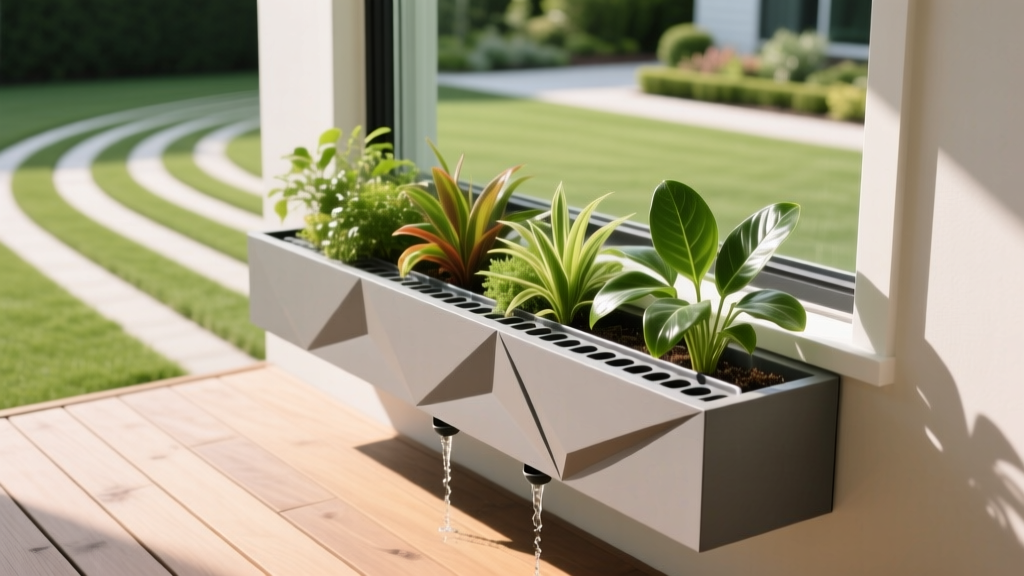
2026 Window Box Installation & Mowing Patterns For Curb Appeal
Sarah ChenPublished
The Intersection of Hardscape Hydration and Lawn Artistry
In 2026, achieving elite curb appeal requires more than just planting a few flowers and cutting the grass. It demands a holistic approach to exterior design, where the vertical elements of your home seamlessly integrate with the horizontal canvas of your turf. One of the most striking ways to bridge this gap is through strategic window box installation paired with deliberate lawn mowing techniques and patterns. When you install a window box with a self-watering liner and a protective drip tray, you are not just elevating your garden; you are creating a micro-environment that directly impacts the turf below. Understanding how to manage the drip zone, align your mowing stripes with your architectural features, and maintain the health of the grass beneath your windows is essential for the modern homeowner.
This comprehensive guide will walk you through the precise steps of installing a self-watering window box system while simultaneously teaching you the mowing techniques required to frame this beautiful feature perfectly. By treating your lawn and your window boxes as a single, unified landscape, you can achieve a manicured, professional look that stands out in any neighborhood.
Step-by-Step Window Box Installation with Self-Watering Liners
The foundation of a thriving window box is its hydration system. Traditional window boxes require daily watering and often leak soil and nutrient-rich water onto the siding and the lawn below. In 2026, self-watering liners equipped with capillary action and integrated drip trays are the industry standard for both plant health and property protection.
Selecting the Right Self-Watering Liner
Modern self-watering liners utilize a hidden reservoir at the base of the planter. A capillary mat or wicking system draws moisture upward into the soil as the plants need it. According to experts at Penn State Extension, container gardening relies heavily on consistent moisture levels, and capillary systems prevent the extreme wet-dry cycles that stress annuals and perennials. When purchasing your liner, ensure it features an overflow valve or a designated weep hole that directs excess water into a catchment tray rather than allowing it to spill unpredictably down your home's exterior.
Mounting and Drip Tray Integration
Proper installation protects both your home's siding and the turfgrass below. Follow these measurements for a secure and functional setup:
- Placement: Mount the window box brackets exactly 2 to 4 inches below the window sill. This allows enough space for trailing plants to cascade without blocking the window's operation.
- Siding Gap: Leave a 1-inch gap between the back of the window box and the siding to promote airflow and prevent wood rot or vinyl warping.
- Drip Tray Alignment: Attach a UV-stabilized polymer drip tray to the bottom of the box. The tray must extend at least 2 inches past the left and right edges of the window box to catch wind-blown overflow and splashing during heavy rainstorms.
Soil Preparation and Planting
Never use topsoil or garden dirt in a self-watering window box; it will compact and destroy the capillary action. Use a lightweight, peat-based potting mix amended with 20% perlite for drainage. Once planted, fill the reservoir via the designated fill tube until water exits the overflow valve into the drip tray. This ensures the wicking system is fully engaged.
Managing the Drip Zone: Turf Care Beneath Window Boxes
The area of lawn directly beneath a window box—often referred to as the 'drip zone'—faces unique challenges. Even with a properly installed drip tray, occasional overflow, wind-driven splash, and increased shade from the window box can affect turf health. If your drip tray's weep holes become clogged with algae or soil debris, water will pool and eventually cascade onto the grass below, leading to localized overwatering.
To prevent fungal diseases like brown patch or dollar spot in the turf beneath your windows, it is crucial to maintain the drip tray. Clean the tray and flush the weep holes monthly. Furthermore, the EPA WaterSense program emphasizes the importance of targeted water delivery to prevent runoff and wasted resources. By ensuring your window box reservoir is functioning correctly, you prevent excess water from drowning the turf below, allowing you to maintain a uniform watering schedule for your entire lawn.
Mowing Techniques & Patterns to Complement Window Boxes
Once your window boxes are installed and the drip zone is managed, it is time to address the lawn. The way you mow the grass around your home can either highlight your new window boxes or distract from them. In 2026, turf managers and landscape architects agree that aligning mowing patterns with architectural lines creates a subconscious sense of order and elegance.
Striping Alignment for Architectural Harmony
Lawn striping is achieved by bending grass blades in alternating directions, which changes how sunlight reflects off the leaf surface. To complement horizontal window boxes, you should employ a parallel striping pattern that runs horizontally along the foundation of your home. This draws the observer's eye along the length of the house and naturally upward toward the window boxes.
When striping parallel to the house, use a lawn striper kit attached to your mower deck. Make your first pass along the foundation, ensuring you overlap each subsequent pass by at least 3 inches to avoid uncut 'ribbons' of grass. According to turfgrass researchers at the University of Minnesota Extension, maintaining a mowing height of 3 to 4 inches for cool-season grasses is vital for deep root growth and optimal striping contrast. Taller grass blades bend more uniformly, creating sharper, more defined stripes that will beautifully frame your exterior features.
Perimeter Mowing and the Drip Zone
Mowing directly beneath a window box requires precision. The drip tray and the brackets create a low-hanging obstacle that can easily be struck by a mower deck, resulting in scalped turf or damaged hardware. To navigate this safely:
- Use a String Trimmer for the Edge: Do not attempt to push a rotary mower directly under the window box. Instead, use a lithium-ion string trimmer to carefully cut the grass within 6 inches of the foundation beneath the box. Keep the trimmer head parallel to the ground to avoid scalping the turf or nicking the drip tray.
- Boundary Wires for Robotic Mowers: If you use a robotic mower in 2026, ensure the boundary wire is pinned at least 12 inches away from the foundation beneath the window boxes. This prevents the robot from repeatedly bumping into the brackets or getting trapped in the drip zone.
Clipping Management and Grasscycling
When mowing the perimeter of your home, clipping management is critical. Grass clippings blown against the foundation can trap moisture against the siding and clog the weep holes of your window box drip tray. Always use a mulching mower with sharp blades to finely chop the clippings, allowing them to fall back into the turf canopy where they decompose rapidly. Avoid using a side-discharge chute pointed toward the house when mowing the perimeter; instead, direct the clippings outward toward the center of the yard.
2026 Product Comparison: Self-Watering Liners & Drip Trays
Choosing the right hydration system impacts not only your flowers but also the maintenance required for the lawn below. Below is a comparison of the top self-watering window box technologies available this year.
| System Type | Water Capacity | Turf Impact Below | 2026 Avg Cost (per 3ft box) |
|---|---|---|---|
| Capillary Mat Liner | Low (0.5 Gallons) | Minimal overflow; highly safe for turf | $45 - $60 |
| Reservoir Insert Liner | Medium (1.5 Gallons) | Moderate; requires well-maintained drip tray | $75 - $95 |
| Sub-Irrigated Planter Box | High (3.0+ Gallons) | Low; features directed overflow hose attachment | $120 - $180 |
For homeowners who struggle with turf fungal issues near the foundation, the Sub-Irrigated Planter Box is the superior choice. Many 2026 models allow you to attach a flexible vinyl tube to the overflow valve, routing excess water directly into a nearby garden bed or rain barrel, completely bypassing the lawn and drip tray.
Final Thoughts on Exterior Synergy
True landscape mastery lies in the details. By installing a window box with a self-watering liner and a properly sized drip tray, you protect your home's exterior and provide a consistent hydration source for your plants. When you pair this smart hardscape installation with deliberate, horizontally aligned mowing patterns and careful perimeter trimming, you elevate your property's curb appeal to a professional standard. Remember to maintain your mowing height, keep your mower blades sharp for clean mulching, and regularly clear your drip trays of debris. Through this integrated approach to home and garden care, your lawn and your window boxes will thrive together, creating a stunning, cohesive exterior that is perfectly tuned for the demands of 2026.
