Home & Garden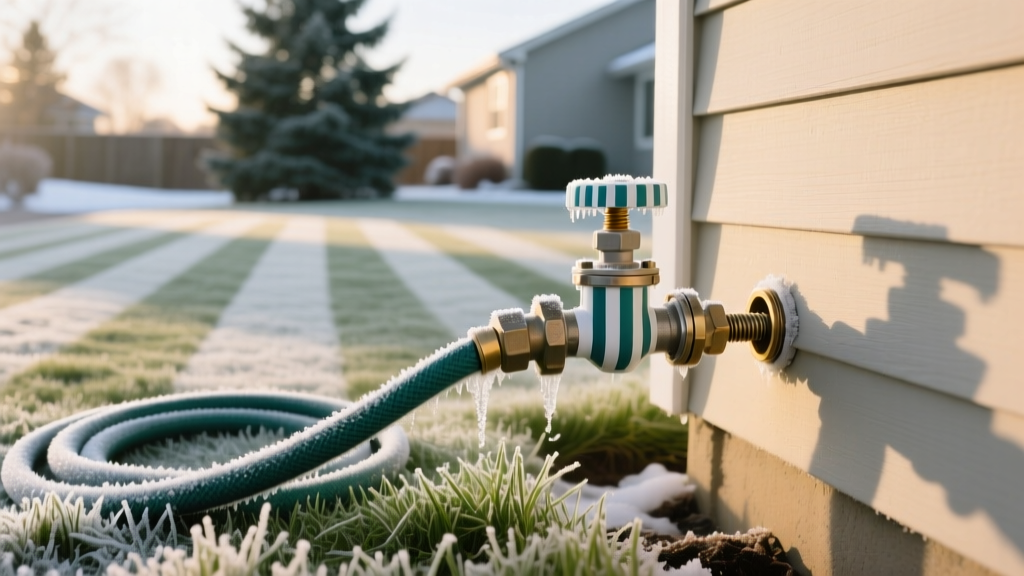
2026 Freeze-Proof Sillcock Install: Protect Striped Lawns
Anna KowalskiPublished
The Hidden Threat to Your Lawn Striping: Winter Pipe Bursts
Achieving the perfect checkerboard, diagonal, or wave pattern on your lawn requires far more than just a heavy-duty zero-turn mower and a rear striping kit. It demands a flawless, perfectly graded canvas of healthy, dense turf. However, one often-overlooked threat to your lawn’s aesthetic perfection lurks on your home’s exterior: the outdoor faucet. A failed, leaking, or improperly winterized sillcock can burst during freezing winter temperatures, sending thousands of gallons of water into your yard. According to the EPA WaterSense outdoor guidelines, undetected outdoor leaks can waste massive amounts of water, but in winter, the physical damage is the real nightmare.
This sudden saturation not only causes severe soil erosion and turf heaving but also destroys the smooth, level grading required for crisp lawn striping. When the ground freezes and thaws repeatedly due to a slow leak, the soil expands and contracts, creating uneven terrain. In 2026, upgrading to a modern, high-quality freeze-proof sillcock is a critical step in preserving both your home's hardscape aesthetics and your lawn's structural integrity, ensuring your spring striping canvas remains pristine.
The Intersection of Hardscape Aesthetics and Turf Health
Lawn striping is an optical illusion created by bending grass blades in alternating directions. To maintain this illusion, the mower deck must remain perfectly parallel to the ground. If the soil near your home's perimeter has heaved due to winter water leaks from a faulty faucet, your mower wheels will dip and bounce as you approach the house. This results in scalped grass, uneven cuts, and warped stripe lines that ruin the geometric precision of your pattern.
Furthermore, an ugly, mismatched, or constantly dripping sillcock creates a muddy, overgrown perimeter zone. Weeds and moss thrive in these constantly damp, shaded areas near the foundation, encroaching on the turf and ruining the crisp boundary lines between your garden beds and the lawn. A sleek, properly installed freeze-proof sillcock keeps the perimeter dry, clean, and visually aligned with your home's exterior architecture.
Top Freeze-Proof Sillcocks for 2026: Comparison Chart
When selecting a sillcock to protect your landscaping investment, you need a model that offers anti-burst technology, lead-free brass construction, and a long stem to ensure the shut-off valve sits deep inside the heated envelope of your home. Below is our 2026 comparison of the top models for aesthetic and functional perimeter protection.
| Brand & Model | Stem Length | Key 2026 Features | Est. Price | Best For |
|---|---|---|---|---|
| Woodford Model 19 | 12-inch | Anti-Burst, EPS Insulation, Heavy-Duty Brass | $85 - $110 | Deep wall cavities & extreme cold protection |
| Arrowhead Brass 480 | 10-inch | Anti-Siphon, Rough Bronze Finish, Dual O-Ring | $70 - $95 | Brick exteriors & aesthetic matching |
| Watts LF700 | 8-inch | Lead-Free, Vacuum Breaker, Compact Design | $55 - $75 | Shallow walls & tight foundation spaces |
Step-by-Step Installation: Woodford Model 19
The Woodford Model 19 remains the gold standard in 2026 for residential freeze-proof sillcocks. Its patented anti-burst feature ensures that even if a hose is accidentally left attached, the expanding ice will push outward rather than splitting the brass tube. Here is how to install it while maintaining a clean exterior aesthetic.
1. Preparation and Interior Access
Shut off the dedicated water supply to the outdoor faucet. Open the old sillcock to drain residual water. Cut a clean, minimal hole through your interior drywall to access the copper or PEX supply line. Keeping the interior hole small ensures easier patching, maintaining the clean lines of your basement or utility room.
2. Exterior Removal and Sizing
From the outside, use a reciprocating saw to cut through the old sillcock stem. Carefully extract it. Measure the thickness of your exterior wall (including siding, sheathing, and framing). The Woodford Model 19 requires a 12-inch rough-in depth. If your wall is thinner, use the included spacers to ensure the exterior flange sits perfectly flush against the siding without gaps.
3. Soldering and Pitch
Clean the interior copper pipe and the sillcock's sweat fitting. Apply flux and solder the joint, ensuring a watertight seal. Critical Striping Tip: Install the sillcock with a slight 5-degree downward pitch toward the exterior. This guarantees that when the faucet is turned off, residual water completely drains out of the stem and onto the hardscape or a splash block, rather than pooling near the foundation and causing frost heave in the adjacent turf.
4. Aesthetic Exterior Sealing
From the outside, apply a high-quality, color-matched polyurethane exterior caulk around the flange. This prevents moisture from getting behind your siding and ensures the faucet looks like a deliberate, clean architectural element rather than a messy afterthought. A clean perimeter makes edging and string-trimming around the house significantly easier, preserving your lawn's sharp borders.
Winterizing Protocol: Preserving the Striping Canvas
Even with a freeze-proof sillcock, proper winterizing protocols are essential to protect the surrounding soil structure. According to FEMA's building science guidelines on frozen pipes, taking proactive measures to insulate and protect exterior plumbing prevents catastrophic property and landscape damage.
- Disconnect All Hoses: Leaving a garden hose attached to a freeze-proof sillcock blocks the drainage path, trapping water inside the stem and defeating the anti-burst mechanism. Furthermore, hoses left coiled on the lawn over winter smother the grass, creating dead, yellow circles that will be glaringly obvious when you lay down your first spring stripes.
- Install Insulated Covers: Use a rigid, UV-resistant insulated faucet cover. In 2026, many homeowners opt for architectural-grade covers that blend with stone or brick facades, avoiding the eyesore of cheap blue foam bags.
- Smart Leak Detection: Integrate a Matter-compatible smart leak sensor (like the Eve Water Guard or Moen Flo) on the interior pipe leading to the sillcock. If a slow leak develops, your smart home system will alert your phone and automatically shut off the water valve, preventing the soil saturation that ruins your lawn's grading.
Aesthetic Hose Management for Perfect Stripes
Once spring arrives and you begin your mowing and striping routine, how you manage your hose directly impacts the visual quality of your lawn. Dragging a heavy, 100-foot rubber hose across a freshly striped lawn immediately flattens the grass blades in the wrong direction, creating a chaotic, zig-zagging scar across your beautiful checkerboard pattern.
To maintain aesthetic perfection, install a retractable wall-mounted hose reel adjacent to your new sillcock. This keeps the hose elevated and off the turf. When watering garden beds or washing the mower, you can pull the hose taut in a straight line, minimizing the surface area of grass that gets bent. Always water your lawn early in the morning; this allows the grass blades to dry and stand back up before your afternoon mowing session, ensuring the stripes reflect light perfectly.
Spring Recovery: Fixing Winter Water Damage
If you suffered a minor leak over the winter and notice the soil near your sillcock has heaved or eroded, you must repair the canvas before attempting to stripe. Use a spade to gently lift the sunken turf, add a layer of screened topsoil mixed with compost to level the grade, and tamp it down firmly. If the grass died due to waterlogging, overseed the patch with a matching turf variety and keep it moist.
Only once the perimeter soil is perfectly level with the rest of the yard should you bring out the striping mower. By investing in a high-quality freeze-proof sillcock and practicing diligent winterizing, you ensure that your lawn's foundation remains solid, allowing your 2026 mowing patterns to be as sharp, vibrant, and flawless as possible.
