
Gardening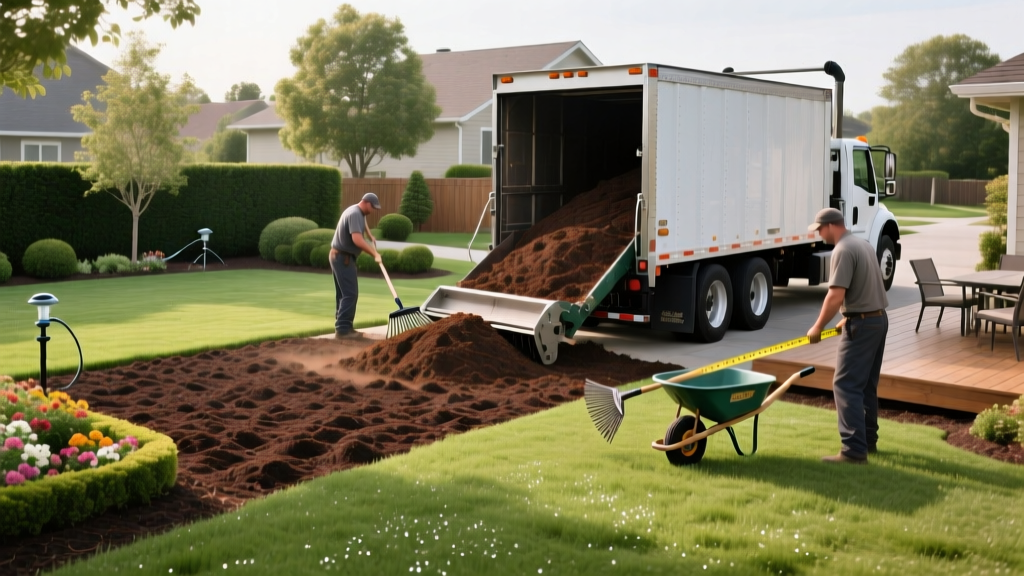
Ordering 10 Yards of Mulch: Bulk Costs, Coverage, and Delivery
The Math: What Does 10 Cubic Yards of Mulch Actually Cover?
Transitioning from bagged mulch to bulk is the most cost-effective decision a homeowner can make for mid-to-large landscapes. Ten cubic yards is the threshold where bulk delivery becomes vastly superior to buying individual 2-cubic-foot bags (which would require purchasing 135 bags to equal 10 yards). However, visualizing 270 cubic feet of material is difficult until it drops in your driveway.
Coverage depends entirely on your target depth. According to Penn State Extension, a 2-to-3-inch layer is optimal for weed suppression and moisture retention without suffocating plant roots. Here is the exact square footage 10 yards of mulch will cover at various depths, factoring in a 10% settling allowance for natural compression:
| Target Depth | Square Footage Covered (10 Yards) | Best Application |
|---|---|---|
| 2 Inches | ~1,450 sq. ft. | Annual vegetable beds, light top-dressing over existing mulch |
| 3 Inches | ~980 sq. ft. | Standard perennial beds, shrub borders, tree rings |
| 4 Inches | ~730 sq. ft. | Heavy weed suppression, playgrounds, pathways |
Bulk Pricing and Delivery Logistics for a 10-Yard Load
In 2026, bulk mulch pricing varies significantly by material type and regional availability. While bagged mulch averages $4.00 to $6.00 per cubic foot, bulk material drops the cost to roughly $1.30 to $2.50 per cubic foot. Below is a breakdown of standard bulk options, their current per-yard costs, and their decay rates.
Bulk Mulch Types: Cost and Longevity
- Double-Shredded Hardwood: $35–$45 per yard. Total for 10 yards: $350–$450. Decays in 1–2 years. Binds together well on slopes.
- Pine Bark Mini-Nuggets: $45–$60 per yard. Total: $450–$600. Lasts 3–4 years. Highly acidic, excellent for azaleas and hydrangeas, but prone to floating away in heavy rain.
- Cedar Mulch: $55–$70 per yard. Total: $550–$700. Lasts 4–5 years. Contains natural oils that repel carpenter ants and termites.
- Arborist Wood Chips: $15–$25 per yard (often free via municipal programs). Total: $150–$250. Coarse texture, excellent for soil biology and fungal networks, but ties up surface nitrogen during initial breakdown.
⚠️ Driveway Weight Warning: Mulch weight fluctuates wildly based on moisture content. Ten yards of dry pine bark weighs roughly 4,000 lbs. Ten yards of freshly shredded, rain-soaked hardwood can exceed 8,000 lbs. When combined with the 15,000+ lb curb weight of a loaded single-axle dump truck, you risk cracking a standard 4-inch residential concrete driveway. Always instruct the dispatcher to drop the load at the very edge of the driveway or on the street apron, or request a track-equipped mini-dumper if accessing the backyard directly.
The Physical Reality: Spreading 10 Yards by Hand vs. Machine
The most underestimated factor in bulk mulch ordering is the physical labor required to move it. A standard contractor wheelbarrow holds 6 cubic feet. Because 1 cubic yard equals 27 cubic feet, you will need to make 4.5 trips per yard. For a 10-yard pile, that equates to 45 fully loaded wheelbarrow trips (or up to 135 trips if using a smaller 2-cubic-foot residential wheelbarrow).
Assuming an average pace of 3 minutes per trip (filling, navigating terrain, dumping, and returning), spreading 10 yards by hand requires roughly 2.5 to 3 hours of continuous, heavy lifting. Factoring in fatigue, raking, and leveling, a solo worker should budget a full 8-to-10-hour weekend day to properly distribute 10 yards.
Equipment Rental Alternative
If your backyard requires navigating narrow gates (minimum 36 inches wide), renting a mini skid steer like a Toro Dingo TX 427 or a Ditch Witch SK350 is highly recommended. These machines typically rent for $250 to $350 per day in 2026. A mini skid steer with a 60-inch bucket can move 10 yards of mulch from the driveway to the backyard beds in under 45 minutes, saving your back and reducing the total project time to a single morning.
Step-by-Step: Preparing the Beds Before the Dump Truck Arrives
Never order bulk delivery until your beds are fully prepped. Once 10 yards of mulch drops, it becomes an obstacle if you need to move it to access the soil beneath.
- Trench the Edges: Use a half-moon edger or a gas-powered bed edger to cut a 4-inch deep, 45-degree V-trench along all lawn-to-bed borders. This creates a physical barrier that stops the mulch from spilling onto the grass and prevents turf stolons from invading the beds.
- Apply Pre-Emergent: If you are laying mulch over bare soil or existing thin mulch, apply a granular pre-emergent herbicide like Prodiamine (Barricade) at a rate of 1.5 lbs per 1,000 sq. ft. Water it in lightly before the mulch arrives to lock in the weed-prevention barrier.
- Ditch the Landscape Fabric: Remove woven geotextile fabrics. They impede water infiltration, degrade into microplastics, and eventually allow weeds to root through the fabric's weave. Instead, lay down overlapping layers of plain, uncoated corrugated cardboard directly over the soil or existing weeds. The cardboard will smother weeds for 6–8 months before decomposing and feeding the soil food web.
Common Bulk Mulch Mistakes to Avoid
Volcano Mulching
Piling mulch high against tree trunks (volcano mulching) traps moisture against the bark, inviting fungal pathogens and encouraging secondary root growth that eventually girdles and kills the tree. Always pull mulch back 3 to 4 inches from the base of all trees and woody shrubs, exposing the root flare.
Applying "Sour" Mulch
Bulk mulch stored in massive, tightly packed piles at the supplier's yard can become anaerobic in the center. This "sour mulch" undergoes fermentation, producing acetic acid and hydrogen sulfide. It will smell strongly of vinegar, sulfur, or ammonia, and its pH can drop to a highly toxic 3.0 to 4.0. Applying sour mulch directly to plants will cause rapid leaf yellowing and tissue burn. If your 10-yard pile smells foul, spread it out thinly on your driveway or a tarp, water it heavily, and let it off-gas and aerate for 48 to 72 hours before moving it to your garden beds.
Frequently Asked Questions
Will a 10-yard dump truck fit down a narrow suburban street?
A standard single-axle dump truck is about 8 feet wide and 25 feet long. If your street has tight cul-de-sacs or low-hanging wires under 13 feet, request a smaller "mini-dump" truck, though this may require two separate deliveries to fulfill a 10-yard order.
How long does bulk mulch last before it fades?
Dyed hardwood mulches (black or brown) typically retain their color for 12 to 18 months before UV degradation turns them gray. Natural cedar and pine bark fade to a silvery-gray within one full season of direct sunlight.

