
Gardening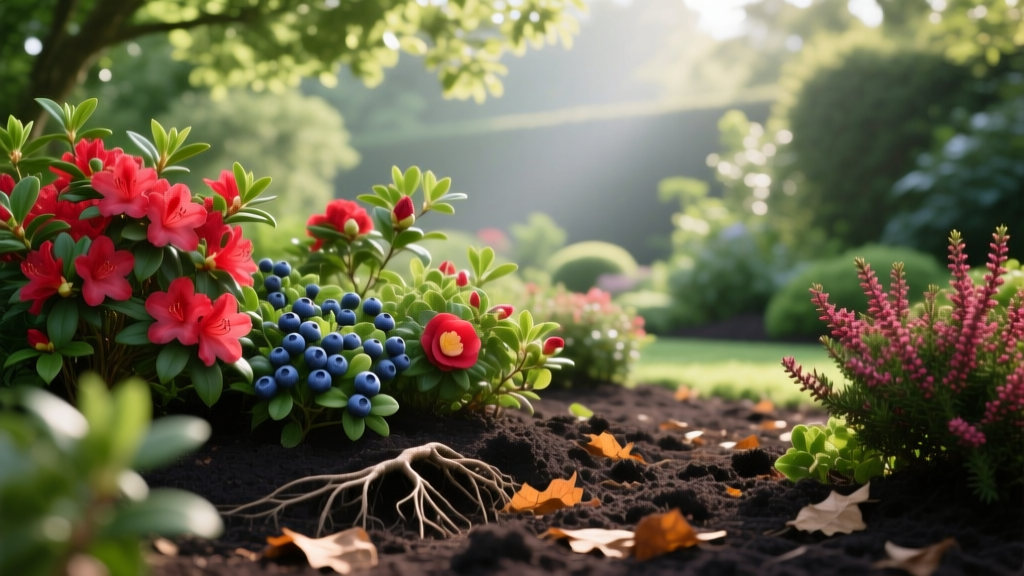
What Plants Like Acidic Soil? A Complete pH 4.5-6.0 Growing Guide
The Science of Acidic Soil and Nutrient Availability
Soil pH is a measure of hydrogen ion concentration, dictating the chemical availability of essential nutrients. While a neutral pH of 7.0 suits many standard garden vegetables, a specific subset of horticulture thrives in acidic conditions—specifically soils ranging from pH 4.5 to 6.0. Understanding what plants like acidic soil requires looking at the rhizosphere (root zone) chemistry. In alkaline soils (pH above 7.0), micronutrients like iron, manganese, and zinc bind to calcium and become insoluble. Acidic soils keep these metals in a soluble state, allowing the specialized root hairs of ericaceous (acid-loving) plants to absorb them.
According to soil management guidelines from Penn State Extension, the buffering capacity of your native soil—determined by its clay and organic matter content—will dictate how resistant it is to pH changes. Attempting to force acid-loving plants into unamended alkaline clay is a primary cause of landscape failure, resulting in chronic nutrient starvation and eventual plant death.
What Plants Like Acidic Soil? (The Master Identification List)
Not all acid-loving plants require the exact same pH. Blueberries demand high acidity, while camellias tolerate slightly higher levels. Use this identification matrix to match your plant selections to your baseline soil test results.
| Common Name | Botanical Name | Ideal pH Range | Primary Indicator Symptom (If pH is Too High) |
|---|---|---|---|
| Highbush Blueberry | Vaccinium corymbosum | 4.5 - 5.5 | Severe interveinal chlorosis; stunted fruit production |
| Azaleas & Rhododendrons | Rhododendron spp. | 4.5 - 6.0 | Leaf yellowing, premature leaf drop, failure to set buds |
| Bigleaf Hydrangea | Hydrangea macrophylla | 5.0 - 5.5 (for blue) | Flowers shift from deep blue to muddy pink or purple |
| Japanese Camellia | Camellia japonica | 5.0 - 6.5 | Pale foliage, bud drop, increased susceptibility to tea scale |
| Mountain Laurel | Kalmia latifolia | 4.5 - 5.5 | Stunted growth, marginal leaf necrosis (browning edges) |
| Ferns (e.g., Cinnamon) | Osmundastrum cinnamomeum | 4.5 - 6.0 | Frond browning, reduced spore viability |
Diagnosing Alkalinity Stress: Iron Chlorosis vs. Nitrogen Deficiency
A common mistake among home gardeners is misdiagnosing nutrient lockout as a simple nitrogen deficiency. When acid-loving plants are placed in neutral or alkaline soil, they develop iron chlorosis. Distinguishing between the two is critical for applying the correct treatment.
Diagnostic Decision Tree
- Iron Chlorosis (High pH Lockout): Yellowing appears on new growth first. The leaf veins remain distinctly green while the tissue between them turns yellow or white. This occurs because iron is an immobile nutrient; the plant cannot translocate it from old leaves to new ones.
- Nitrogen Deficiency: Yellowing appears on older, lower leaves first. The entire leaf turns a uniform pale green or yellow, including the veins. Nitrogen is highly mobile, so the plant scavenges it from older tissue to support new growth.
If you observe interveinal chlorosis on new azalea or blueberry growth, applying standard nitrogen fertilizer (like a 10-10-10 NPK) will not solve the problem and may exacerbate salt buildup. You must lower the soil pH or apply chelated iron (Fe-EDDHA) as a temporary foliar or drench remedy.
How to Lower Soil pH Safely and Effectively
Once you have identified what plants like acidic soil and selected your varieties, you must prepare the site. Lowering soil pH is a chemical process that requires patience and precise calculations. The University of Minnesota Extension emphasizes that soil texture dictates the amendment rate required to achieve a target pH drop.
Amendment Options and Application Rates
To drop your soil pH by exactly 1.0 point (e.g., from 6.5 to 5.5), apply the following materials per 100 square feet of garden bed:
- Elemental Sulfur (Recommended): Products like Espoma Organic Soil Acidifier (30% elemental sulfur, approx. $15 for a 4lb bag) rely on soil bacteria (Thiobacillus) to oxidize the sulfur into sulfuric acid.
- Sandy Soil: 1.0 lb per 100 sq ft
- Loam Soil: 1.5 to 2.0 lbs per 100 sq ft
- Heavy Clay: 2.5 to 3.0 lbs per 100 sq ft
- Aluminum Sulfate: Acts almost instantly because it creates acidity upon dissolving in water.
- Rate: 2.5 lbs per 100 sq ft to drop pH by 1.0 point across most soil types.
- Sphagnum Peat Moss: Incorporating 2 to 3 inches of Canadian sphagnum peat moss (pH 3.5 - 4.5) into the top 6 inches of soil provides an immediate, localized pH drop while improving moisture retention. Expect to spend $25-$40 per 3.8 cu ft bale.
Mythbusting Pine Needles: While pine needles are an excellent, breathable mulch for acid-loving plants, research confirms they do not significantly lower soil pH once decomposed. Freshly dropped needles are slightly acidic, but they lose this acidity as they break down. Use them for moisture retention and weed suppression, not as a primary pH-lowering amendment.
Container Strategies: Bypassing Native Soil Entirely
If your native soil is highly alkaline (pH 7.5 or higher) and heavily buffered by limestone, attempting to chemically alter it for acid-loving plants is a losing battle. The soil will continually revert to its baseline pH. In these scenarios, the Royal Horticultural Society strongly recommends container cultivation or building raised beds using specialized ericaceous compost.
For container growing, do not use standard potting mixes. Formulate or purchase a dedicated ericaceous mix. A high-quality commercial option is Miracle-Gro Performance Organics Ericaceous Compost (approx. $12 per 50L bag). If mixing your own, use this precise ratio:
- 50% Sphagnum Peat Moss or Coco Coir (pre-washed and buffered)
- 30% Pine Bark Fines (provides drainage and slow-release tannins)
- 10% Perlite (for aeration)
- 10% Worm Castings (for gentle, pH-neutral nutrient loading)
Long-Term Maintenance and pH Buffering
Soil pH is not a set-and-forget metric. Irrigation with municipal tap water (which is often treated with calcium carbonate to prevent pipe corrosion, sitting at pH 8.0+) will gradually raise the pH of your acidic beds over time. Furthermore, the natural decomposition of organic matter and the uptake of nutrients by plants will cause pH drift.
Annual Maintenance Protocol
- Test Annually: Use a reliable digital meter or a lab test (like those offered by local university extensions) every spring. Cheap color-dye liquid kits are often inaccurate above pH 6.0.
- Top-Dress: Apply a 1-inch layer of elemental sulfur and composted oak leaves every two years to counteract the alkalizing effects of tap water.
- Fertilizer Selection: Exclusively use acid-forming fertilizers. Look for formulations containing ammonium sulfate or urea, which naturally lower the rhizosphere pH as nitrifying bacteria process them. Avoid fertilizers containing calcium nitrate or sodium nitrate.
By matching the right plant genetics to the correct soil chemistry, you eliminate the need for constant chemical interventions. Understanding the specific pH thresholds of ericaceous plants ensures vibrant blooms, robust fruiting, and long-term landscape vitality.

