
Gardening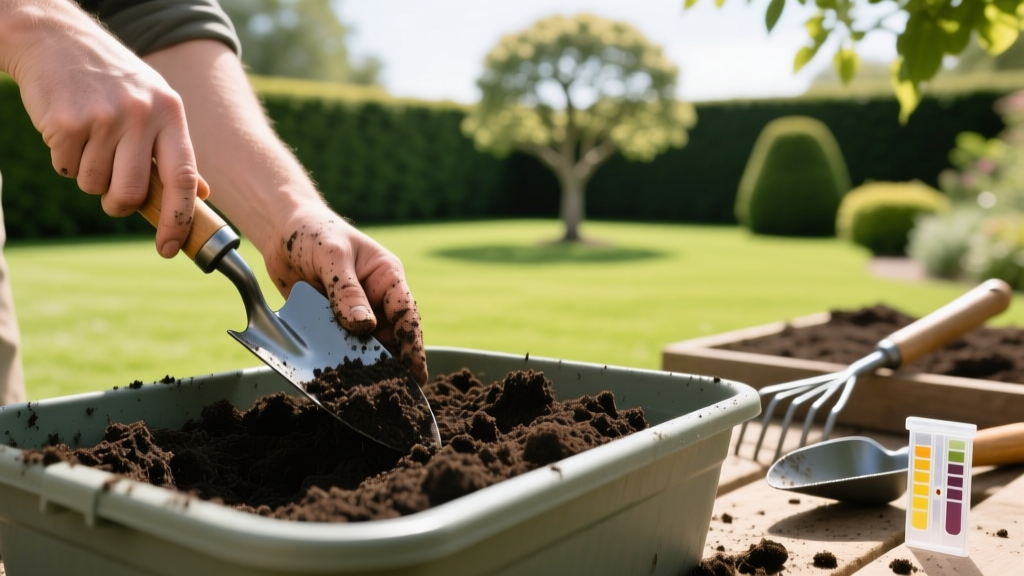
Mixing Soil With Peat Moss: Ratios, pH, and Plant Guide
The Physical and Chemical Profile of Peat Moss
Amending garden beds to create the ideal soil with peat requires more than simply dumping a bale of sphagnum moss into your garden and tilling it in. Horticultural-grade Canadian sphagnum peat moss is a highly specific soil amendment characterized by its exceptional porosity and moisture retention capabilities. A single pound of dry peat moss can hold up to 20 times its weight in water, making it invaluable for sandy soils that drain too quickly.
However, peat moss is virtually devoid of essential plant nutrients. Its true value lies in its Cation Exchange Capacity (CEC). Peat moss boasts a CEC of 100 to 200 meq/100g, which is significantly higher than most mineral soils. Think of CEC as a magnetic sponge for nutrients; while the peat itself doesn't provide nitrogen, phosphorus, or potassium, its high CEC allows it to hold onto these nutrients from fertilizers and compost, preventing them from leaching away during heavy rains. To fully leverage this, peat must always be paired with a nutrient-dense organic matter like compost to 'charge' the CEC sites.
⚠️ Critical pH Warning: Unamended sphagnum peat moss has a naturally high acidity, typically ranging from a pH of 3.5 to 4.5. Incorporating it directly into garden beds without a buffering agent will rapidly acidify your soil, locking out essential macronutrients for most common vegetables and ornamental plants.
Precision Mixing Ratios for Different Garden Scenarios
The ratio of peat moss to native soil and compost dictates the drainage, aeration, and nutrient profile of your finished beds. According to soil science principles outlined by the University of Minnesota Extension, amendments should be tailored to the specific structural deficits of your existing soil.
| Garden Scenario | Ideal Volumetric Ratio | Primary Function |
|---|---|---|
| Raised Vegetable Beds | 1 Part Peat : 2 Parts Topsoil : 1 Part Compost | Moisture retention with balanced drainage and high nutrient availability. |
| Ericaceous (Acid-Loving) Beds | 2 Parts Peat : 1 Part Pine Bark : 1 Part Soil | Maintains low pH (4.5-5.5) for azaleas, blueberries, and rhododendrons. |
| Heavy Clay Remediation | 1 Part Peat : 2 Parts Compost : 0 Parts Native Soil | Top-dressing to break up clay surface tension and improve root penetration. |
| Seed Starting Mixes | 1 Part Peat : 1 Part Vermiculite : 1 Part Perlite | Sterile, lightweight, high-aeration environment for delicate germination. |
The Pre-Wetting Protocol: Preventing Hydrophobic Pockets
The most common failure when creating soil with peat is the formation of hydrophobic dry pockets. When sphagnum peat moss dries out completely, its cellular structure collapses, and it becomes highly water-repellent. If you mix dry peat directly into your garden beds, it will form hard, dusty clumps that wick moisture away from plant roots rather than retaining it.
To prevent this, you must execute a pre-wetting protocol before the peat ever touches your garden soil:
- Break the Bale: Use a garden fork to fracture the compressed peat bale into a wheelbarrow or mortar tub.
- Apply Water Gradually: Add approximately 1 gallon of water for every cubic foot of dry peat moss. Do not flood it; use a watering can with a rose head to simulate gentle rain.
- Turn and Rest: Mix the peat with a hand trowel or fork, then let it sit for 2 to 4 hours. Peat absorbs water slowly. After resting, squeeze a handful; it should feel like a damp sponge, yielding a few drops of water but not dripping.
Calculating Limestone for pH Neutralization
Unless you are specifically growing acid-loving plants, you must buffer the acidity of the peat moss. Dolomitic limestone is the preferred buffering agent because it raises the pH while simultaneously supplying calcium and magnesium—two secondary macronutrients that peat moss lacks entirely.
🧮 The Limestone Formula:
To raise the pH of pure peat moss from 4.0 to a neutral 6.5, incorporate 5 to 8 pounds of dolomitic limestone per cubic yard of peat moss. If you are working with smaller volumes, use roughly 1/4 cup of pulverized dolomitic lime per gallon of pre-moistened peat moss. Mix the limestone into the peat during the pre-wetting phase and allow it to cure for 48 hours before planting to ensure the chemical reaction stabilizes.
To raise the pH of pure peat moss from 4.0 to a neutral 6.5, incorporate 5 to 8 pounds of dolomitic limestone per cubic yard of peat moss. If you are working with smaller volumes, use roughly 1/4 cup of pulverized dolomitic lime per gallon of pre-moistened peat moss. Mix the limestone into the peat during the pre-wetting phase and allow it to cure for 48 hours before planting to ensure the chemical reaction stabilizes.
Troubleshooting Common Soil With Peat Failures
Even with careful preparation, environmental variables can cause issues in peat-amended soils. Here is how to diagnose and correct the three most frequent problems:
- Nitrogen Immobilization (Tie-Up): While peat moss is more stable than raw wood chips, its high carbon-to-nitrogen ratio (typically 50:1 to 100:1) can cause soil microbes to consume available nitrogen as they break down any uncomposted fractions. The Fix: Add 1 pound of actual nitrogen (equivalent to roughly 2 pounds of blood meal or 3 pounds of a balanced 10-10-10 fertilizer) per 100 square feet of amended bed to satisfy microbial demand.
- Surface Crusting: In high-sun, low-humidity environments, the top inch of peat-amended soil can form a hard crust that impedes seedling emergence and reduces water infiltration. The Fix: Apply a 1-inch layer of coarse compost or shredded bark mulch over the surface to break up water tension and shade the peat layer.
- Over-Acidification Over Time: As organic matter decomposes, it releases organic acids. If you annually top-dress with peat without testing, your soil pH will slowly drop below 5.5. The Fix: Conduct a soil test every two years using a local cooperative extension service, and apply calcitic lime as needed based on the buffer index results.
Environmental Considerations and Blending Strategies
The sustainability of peat moss harvesting is a frequent topic of debate in the horticultural community. While the Canadian Sphagnum Peat Moss Association notes that Canadian peatlands regenerate and that only a fraction of a percent is harvested annually, environmental organizations like the Royal Horticultural Society (RHS) advocate for reducing reliance on peat to protect carbon-sequestering bog ecosystems.
For the eco-conscious gardener, the most effective strategy is to use peat moss as a targeted structural amendment rather than a bulk filler. By blending peat with renewable alternatives like coconut coir (which shares a similar moisture-holding capacity but has a neutral pH of 5.8 to 6.8) and composted pine bark fines, you can achieve the physical benefits of soil with peat while cutting your overall peat consumption by 50% or more. A highly effective sustainable blend for raised beds is 10% peat moss, 20% coconut coir, 30% composted bark, and 40% high-quality screened compost.

