
Gardening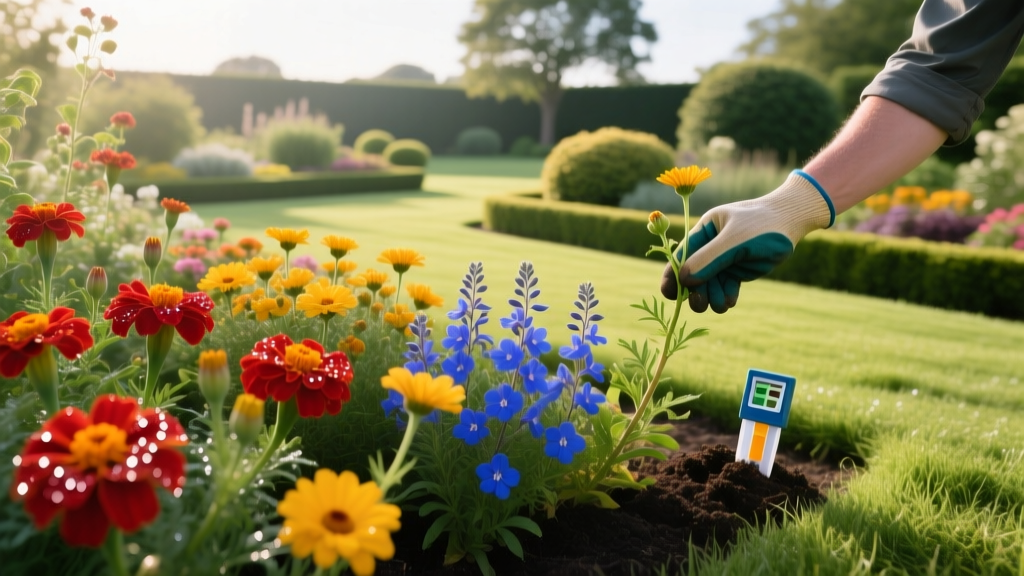
What Is an Annual Plant? Life Cycle and Identification Guide
The Biological Imperative: Defining the Annual Life Cycle
At its core, the answer to what is an annual plant lies in its biological survival strategy. An annual plant completes its entire life cycle—from seed germination to vegetative growth, flowering, seed production, and eventual death—within a single growing season. Unlike perennials that invest energy into long-term root structures, or biennials that require two years to flower, annuals are genetically programmed for rapid reproduction.
This biological urgency is exactly why annuals are the workhorses of the ornamental garden. Because their sole evolutionary goal is to set seed before winter, they produce relentless, vibrant blooms. According to the University of Minnesota Extension, this rapid life cycle allows gardeners to manipulate the plant's hormones; by removing spent flowers before seeds form, you trick the plant into producing even more blooms to fulfill its reproductive mandate.
True Annuals vs. Functional Annuals (Tender Perennials)
A common point of confusion in horticulture is the distinction between botanical annuals and functional annuals. Many plants sold in the 'annual' section of your local nursery are actually tropical perennials that cannot survive freezing temperatures.
- True Annuals: Plants that are biologically hardwired to die after one year, regardless of climate. Examples include zinnias, marigolds, cosmos, and sunflowers. Even if you grow these in a climate-controlled greenhouse, they will senesce and die after flowering.
- Hardy Annuals: True annuals that can tolerate freezing temperatures and light snow. Pansies, sweet peas, snapdragons, and calendula fall into this category. They can often survive winter in USDA Zones 6-9 and bloom profusely in early spring.
- Functional Annuals (Tender Perennials): Plants that live for multiple years in their native tropical habitats (Zones 9-11) but are killed by the first frost in temperate zones. Impatiens, begonias, coleus, and geraniums (Pelargonium) are biologically perennials, but function as annuals for most North American gardeners.
The Annual Plant Identification Matrix
| Category | Botanical Reality | Frost Tolerance | Common Examples | Optimal Planting Window |
|---|---|---|---|---|
| True Hardy Annuals | Complete cycle in 1 year | Survives freezes (down to 20°F) | Pansies, Sweet Alyssum, Calendula | Early spring or fall |
| True Tender Annuals | Complete cycle in 1 year | Killed by light frost (32°F) | Zinnias, Cosmos, Marigolds | After last frost date |
| Functional Annuals | Tropical Perennials | Killed by light frost (32°F) | Coleus, Impatiens, Geraniums | After soil warms to 65°F |
Thermal Triggers: Cool-Season vs. Warm-Season Timelines
Understanding what an annual plant is requires understanding its thermal triggers. Planting a warm-season annual in cold soil will result in stunted growth, root rot, and transplant shock. The Royal Horticultural Society (RHS) emphasizes that soil temperature, not just air temperature, dictates transplant success.
Pro Tip: Measure Soil, Not Air. Air temperature can fluctuate wildly, but soil holds thermal mass. Use a digital soil probe thermometer inserted 2 inches deep at 9:00 AM for an accurate baseline reading before transplanting.
Cool-Season Annuals (Soil Temp: 45°F – 55°F)
These plants thrive in the crisp conditions of spring and autumn. They will often bolt (go to seed prematurely) and die if exposed to the high heat of mid-summer. Transplant pansies, snapdragons, and sweet peas 4 to 6 weeks before your region's final spring frost date. For a fall display, sow seeds in late summer when soil temperatures begin to drop below 70°F.
Warm-Season Annuals (Soil Temp: 65°F+)
Zinnias, petunias, vinca, and impatiens require warm soil to establish root systems. Transplanting these when soil temperatures are below 60°F will cause phosphorus lockout, resulting in purple-tinged leaves and permanent stunting. Wait until at least two weeks after your last frost date, and consult the USDA Plant Hardiness Zone Map to verify your specific microclimate risk factors.
The Economics of Annual Cultivation: Seed vs. Transplant
Because annuals must be replanted every year, the cumulative cost can significantly impact your gardening budget. Below is a cost-benefit analysis for a standard 4x8 foot raised bed requiring 32 plants.
| Cultivation Method | Upfront Cost (32 Plants) | Time Investment | Success Rate & Vigor |
|---|---|---|---|
| Direct Sowing Seeds | $4.00 - $8.00 (2 packets) | Low (sow directly in bed) | High vigor, requires thinning |
| Indoor Seed Starting | $15.00 - $25.00 (seed, soil, trays) | High (6-8 weeks of daily care) | High, but risk of damping off |
| Nursery 4-Packs (Flats) | $40.00 - $65.00 (8 flats) | Minimal (plant and water) | Instant gratification, rootbound risk |
Actionable Advice: For high-value, slow-growing functional annuals like begonias or geraniums, buy nursery transplants. They take 12-14 weeks to reach transplant size from seed. For fast-growing true annuals like cosmos, zinnias, and sunflowers, direct sow the seeds. They will germinate in 5-7 days and catch up to nursery transplants within three weeks, saving you over $50 per season.
Advanced Maintenance: Deadheading and Overwintering
To maximize the ROI of your annuals, you must manage their energy allocation.
Warning: Fertilizer Imbalance. Do not use high-nitrogen fertilizers (like a 20-10-10 ratio) on flowering annuals. Excess nitrogen forces the plant to produce lush green foliage at the expense of blooms. Switch to a bloom-booster formula with a higher phosphorus content, such as a 5-10-10 or 10-30-20 NPK ratio, once the first flower buds appear.
The Mechanics of Deadheading
Deadheading is the physical removal of spent flowers. When a flower fades, the plant redirects energy from petal production to seed development. By snipping the flower stem just above the first set of healthy leaves using sterilized bypass pruners, you reset the plant's biological clock, forcing it to initiate a new flush of blooms. Plan to deadhead high-output annuals like petunias and marigolds every 5 to 7 days during peak summer.
Overwintering Functional Annuals
Since coleus, geraniums, and fuchsias are technically perennials, you can overwinter them indoors to avoid repurchasing them next spring. Before the first frost, dig up the healthiest specimens and pot them in a well-draining mix (50% potting soil, 30% perlite, 20% compost). Cut the foliage back by one-third to reduce transpiration stress. Place them in a bright, south-facing window where temperatures remain between 55°F and 65°F. Water only when the top two inches of soil are completely dry to prevent root rot. In early spring, take 4-inch stem cuttings from this mother plant to propagate dozens of new clones for your outdoor garden.

