
Gardening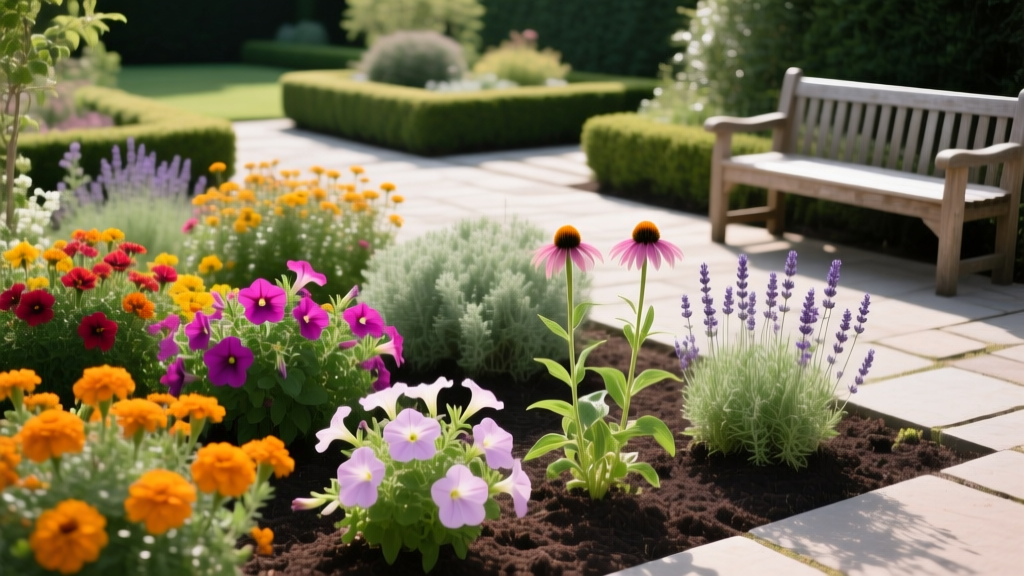
Annual Versus Perennial Flowers: How to Plan and Plant Your Garden
The Biological Divide: Monocarpic vs. Polycarpic Growth
Understanding the annual versus perennial distinction requires looking past the garden center tags and examining plant biology. Annuals are monocarpic; they germinate, flower, set seed, and die within a single growing season. Their entire genetic drive is focused on rapid vegetative growth and massive seed production, which translates to continuous, season-long blooms. Common examples include Zinnias (Zinnia elegans), Marigolds (Tagetes), and Impatiens.
Perennials are polycarpic. They invest their first year's energy into establishing deep, complex root systems—often taproots or extensive rhizome networks—rather than top growth. They return for three or more years, but their bloom windows are typically restricted to 3-to-6-week intervals. Examples include Coneflower (Echinacea purpurea), Hostas, and Salvia. According to the University of Minnesota Extension, mixing both lifecycles is the foundational strategy for professional landscape design, balancing immediate visual impact with long-term structural stability.
Decision Matrix: Matching Plant Types to Garden Goals
Do not choose between annuals and perennials based solely on budget. Use this decision matrix to align plant selections with your specific landscape objectives.
| Feature | Annual Flowers | Perennial Flowers |
|---|---|---|
| Upfront Cost (Avg) | $4.50 - $6.00 per 4-inch pot | $18.00 - $32.00 per 1-gallon pot |
| Bloom Duration | Continuous (Frost to Frost) | Episodic (3 to 6 weeks per variety) |
| Root Depth | Shallow (6 to 12 inches) | Deep (18 to 48+ inches) |
| Water Needs | High (Frequent, shallow watering) | Low to Moderate (Deep, infrequent) |
| Best Use Case | Container fills, border edging, quick color | Bed structure, erosion control, pollinator anchors |
Step-by-Step Bed Preparation for Mixed Plantings
Mixing annuals and perennials in the same bed creates micro-competition for nutrients and water. Proper soil preparation mitigates this stress.
Step 1: Soil Testing and Baseline Amendment
Before purchasing plants, test your native soil using a kit like the Luster Leaf Rapitest 4-Way Analyzer. Perennials generally require a pH between 6.2 and 6.8 for optimal nutrient uptake. If your soil is heavy clay, amend the top 12 inches with a 70/30 mix of native soil and expanded shale or coarse horticultural sand to prevent the root rot that frequently kills deep-rooted perennials in their first winter.
Step 2: Spatial Zoning (The 70/30 Rule)
Allocate 70% of your bed's square footage to perennials to establish a permanent structural framework. Reserve the remaining 30%—typically the front 18 inches of the border and gaps between dormant perennials—for annuals. This prevents the aggressive root systems of established perennials from choking out the shallow, fibrous roots of your annuals.
Step 3: Strategic Fertilizer Placement
Annuals and perennials have different NPK (Nitrogen-Phosphorus-Potassium) requirements. When planting, incorporate a slow-release granular fertilizer like Espoma Organic Garden-tone (4-5-3) into the perennial zones. For the annual zones, rely on a water-soluble 20-20-20 fertilizer applied bi-weekly. Avoid high-nitrogen synthetic fertilizers near perennials, as this promotes weak, leggy top growth that snaps under wind loads.
Financial Breakdown: Establishing a 100-Square-Foot Mixed Bed
Budgeting for a new garden bed requires accounting for soil amendments, plant material, and mulch. Below is a realistic 2026 cost breakdown for a 100-square-foot mixed bed (assuming average nursery pricing).
| Material | Quantity | Unit Cost | Total Cost |
|---|---|---|---|
| Organic Compost (Bulk) | 1.5 Cubic Yards | $45.00 / yd³ | $67.50 |
| 1-Gallon Perennials (Framework) | 12 Plants | $26.00 | $312.00 |
| 4-Inch Annuals (Color Fills) | 24 Plants | $4.75 | $114.00 |
| Hardwood Mulch (Bulk) | 1.5 Cubic Yards | $38.00 / yd³ | $57.00 |
| Slow-Release Fertilizer (5 lb bag) | 1 Bag | $18.50 | $18.50 |
| Total Estimated Investment | $569.00 |
Note: While the upfront cost is higher than an all-annual bed, the replacement cost in Year 2 drops to roughly $125 (replacing only the annuals and refreshing mulch), making perennials significantly more cost-effective over a 5-year horizon.
Pro-Tip: Overwintering 'Tender' Perennials
Many plants sold as annuals in USDA Zones 3-7 are actually tender perennials in Zones 8-11. Varieties like Geraniums (Pelargonium) and Coleus can be dug up before the first frost, potted in 6-inch containers with a sterile potting mix like FoxFarm Ocean Forest, and kept in a cool (45°F-55°F), brightly lit basement to replant the following spring, saving $15+ per plant annually.
Seasonal Maintenance: Deadheading and Pruning
The maintenance routines for these two plant classes diverge sharply by mid-summer.
- Annual Deadheading: Annuals must be deadheaded to prevent seed set. Once an annual produces viable seed, its biological imperative is complete, and it will cease flowering. Pinch off spent blooms of Zinnias and Cosmos just above the first set of true leaves using sterilized bypass pruners.
- Perennial 'Chelsea Chop': To stagger perennial bloom times and prevent flopping, perform the 'Chelsea Chop' in late May. Cut back the stems of late-summer bloomers like Sedum 'Autumn Joy' and Helenium by one-third. This sacrifices early bloom volume but results in denser, sturdier plants that bloom later in the season.
- Fall Cleanup: Never cut back perennial stalks in late fall. The Old Farmer's Almanac notes that hollow perennial stems provide crucial overwintering habitat for native solitary bees. Wait until early spring when daytime temperatures consistently hit 50°F to clear dead perennial top growth.
Troubleshooting Common Mixed-Bed Failures
When annuals and perennials share a bed, specific failure modes emerge. Use this diagnostic guide to correct them.
- Symptom: Annuals are wilting while adjacent perennials look healthy.
Cause: Water competition. The deep perennial roots are monopolizing deep soil moisture.
Fix: Install a drip irrigation line with separate emitter zones. Give annuals 0.5 GPH (gallons per hour) emitters spaced 6 inches apart, and perennials 2.0 GPH emitters spaced 18 inches apart. - Symptom: Perennials are growing tall, pale, and failing to flower.
Cause: Nutrient lockout or excessive nitrogen from annual fertilizer runoff.
Fix: Flush the soil with deep watering to leach excess salts. Apply a 2-inch layer of arborist wood chips to slow nutrient release and stabilize soil moisture.
Frequently Asked Questions
Can I plant annuals directly over dormant perennial bulbs?
Yes. This technique, known as 'succession planting,' maximizes space. Plant shallow-rooted annuals like Alyssum or Lobelia directly over dormant spring-bulb zones (like Daffodils or Alliums). By the time the bulb foliage dies back and turns unsightly in early summer, the annuals will have grown to mask the dying foliage.
Do I need to divide my perennials every year?
No. Most perennials require division only every 3 to 5 years, typically when the center of the clump dies out (forming a 'donut' shape) or when blooms become noticeably smaller. Daylilies (Hemerocallis) and Hostas are prime candidates for division in early fall, while ornamental grasses should be divided in early spring just as new growth emerges.

