
Gardening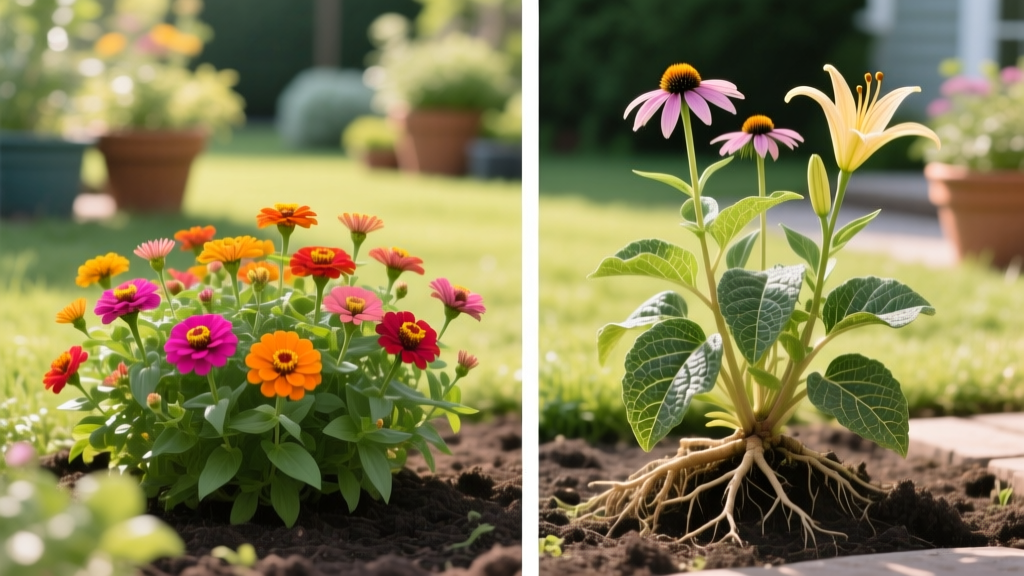
What's the Difference Between Annual and Perennial Plants? Explained
The Core Botanical Distinction
When planning a landscape or vegetable patch, understanding what's the difference between annual and perennial plants is the foundational step to long-term success. The distinction is not merely about how long a plant lives, but how it allocates energy, reproduces, and survives winter dormancy. According to the University of Minnesota Extension, the primary biological difference lies in the plant's reproductive lifecycle and apical meristem behavior.
Annuals complete their entire lifecycle—from seed germination to vegetative growth, flowering, seed production, and death—within a single growing season. Their biological imperative is rapid reproduction. Perennials, conversely, live for three or more years. They invest heavily in robust root systems and woody or hardy herbaceous structures to survive winter dormancy, returning each spring from their established rootstock rather than from seed.
Annual Plants: High-Impact, Short-Lifespan Cultivars
Because annuals do not need to store energy for winter survival, they channel nearly all their resources into continuous, explosive blooms and rapid foliage growth. This makes them the undisputed champions of seasonal color and quick crop yields.
Hardy vs. Half-Hardy Annuals
- Hardy Annuals: Tolerate light frosts and can be sown directly outdoors in early spring or fall-sown in mild climates. Examples include sweet peas (Lathyrus odoratus) and calendula.
- Half-Hardy/Tender Annuals: Killed by the first frost. These are typically started indoors 6 to 8 weeks before the last frost date or purchased as nursery transplants. Examples include zinnias, petunias, and impatiens.
Warning: The "Tender Perennial" Trap
Many plants sold as annuals in northern zones (USDA Zones 3-7) are actually tender perennials in their native tropical habitats. Geraniums (Pelargonium), coleus, and lantana will live for years if brought indoors or kept in a greenhouse above 50°F (10°C). Do not discard healthy specimens at the end of the season if you have overwintering space.
Many plants sold as annuals in northern zones (USDA Zones 3-7) are actually tender perennials in their native tropical habitats. Geraniums (Pelargonium), coleus, and lantana will live for years if brought indoors or kept in a greenhouse above 50°F (10°C). Do not discard healthy specimens at the end of the season if you have overwintering space.
Cost and Maintenance Realities
Annuals are relatively inexpensive upfront but require continuous replacement. A standard 18-cell flat of petunias costs between $15 and $22 at most garden centers. However, their shallow root systems demand frequent watering (often daily in peak summer heat) and regular deadheading to prevent the plant from shifting energy from flowering to seed production. For optimal bloom, fertilize annuals every two weeks with a phosphorus-heavy liquid fertilizer, such as a 5-10-5 NPK ratio.
Perennial Plants: Long-Term Garden Infrastructure
Perennials are the structural backbone of any sustainable garden. While they may not bloom as relentlessly as annuals, their deep root systems make them vastly more drought-tolerant and resilient once established.
The "Sleep, Creep, Leap" Establishment Cycle
Gardeners must manage expectations when planting perennials. The Wisconsin Master Gardener Program highlights the classic three-year establishment phase for herbaceous perennials:
- Year 1 (Sleep): The plant focuses 90% of its energy on developing a deep taproot or rhizome network. Top growth appears stunted.
- Year 2 (Creep): Root expansion continues, and the plant begins to produce more substantial foliage and a modest bloom display.
- Year 3 (Leap): The root system is fully mature. The plant reaches its full designated height, width, and peak flowering capacity.
Herbaceous vs. Woody Perennials
Herbaceous perennials (like coneflowers, hostas, and daylilies) die back to the ground in winter, leaving their roots dormant beneath the soil. Woody perennials (trees, shrubs, and some vines like wisteria) retain their above-ground structural branches year-round. When purchasing herbaceous perennials, expect to pay $14 to $28 for a 1-gallon pot, and $35 to $65 for a 3-gallon specimen. While the initial cost is higher than annuals, perennials can be divided every 3 to 5 years using a sharp Hori Hori knife or spade, effectively giving you new plants for free.
Head-to-Head Comparison Matrix
Use this decision matrix to determine which plant type fits your specific landscape needs, budget, and time availability.
| Feature | Annual Plants | Perennial Plants |
|---|---|---|
| Lifespan | 1 growing season | 3 to 100+ years |
| Bloom Duration | Continuous (months) | Seasonal (2 to 6 weeks) |
| Root Depth | Shallow (4 to 12 inches) | Deep (12 to 48+ inches) |
| Watering Needs | High (frequent, shallow watering) | Low (infrequent, deep soaking) |
| Ideal Soil pH | 6.2 to 7.0 | 6.0 to 6.8 (varies by species) |
| Primary Maintenance | Deadheading, weeding, fertilizing | Dividing, pruning, mulching |
| Average Cost | $0.80 to $1.50 per plant (flats) | $14.00 to $28.00 per 1-gallon pot |
The 70/20/10 Strategic Planting Framework
Rather than viewing these plant categories as mutually exclusive, professional landscape designers use a layered approach to maximize visual interest while minimizing long-term maintenance costs. For a balanced, sustainable garden bed, apply the 70/20/10 framework:
- 70% Structural Perennials: Build the foundation with drought-tolerant, native herbaceous perennials and woody shrubs. These provide winter interest, support local pollinator ecosystems, and anchor the soil.
- 20% Seasonal Annuals: Use annuals in high-visibility focal points—such as front entryways, mailbox plantings, and patio containers. This allows you to change the color palette every year without disrupting the garden's core structure.
- 10% Biennials and Experimentals: Reserve a small fraction of your bed for biennials (like foxglove and hollyhocks) which live for two years, or for testing new perennial cultivars before committing to mass planting.
Frequently Asked Questions
Can I turn an annual into a perennial?
Biologically, no. A true annual's genetic code dictates that it will senesce (die) after flowering. However, you can trick some annuals into continuing to bloom longer by aggressively deadheading them before seeds form, preventing the hormonal trigger that signals the end of their lifecycle.
Do perennials bloom all summer?
Rarely. Most herbaceous perennials have a specific, genetically programmed bloom window lasting 2 to 6 weeks. To achieve continuous summer color with perennials, you must practice succession planting—combining early bloomers (like creeping phlox), mid-summer bloomers (like coneflowers), and late bloomers (like asters) in the same bed.
Which is better for beginner gardeners?
Annuals offer faster gratification and are more forgiving of poor soil preparation, making them ideal for beginners wanting immediate results. However, perennials teach long-term soil stewardship and patience, ultimately requiring less daily labor once the 3-year establishment phase is complete.

