
Gardening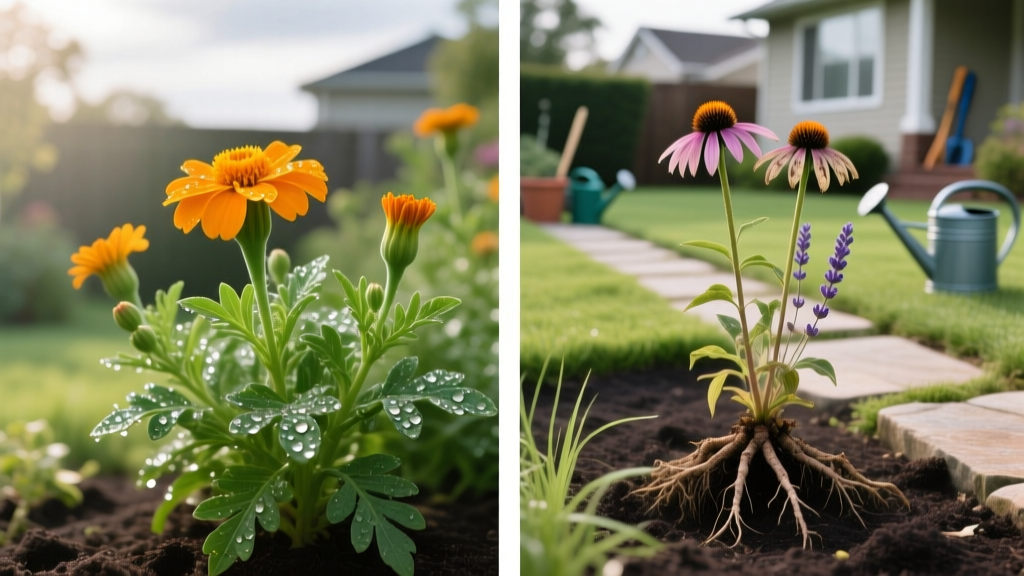
What Is the Difference Between Annual and Perennial Plants Explained
Understanding the physiological and structural differences between plant classifications is the foundation of effective garden design. When gardeners ask what is the difference between an annual plant and perennial varieties, the answer extends far beyond simple bloom times. It encompasses genetic lifecycle programming, root system architecture, energy allocation strategies, and regional climate adaptability. According to the University of Minnesota Extension, misclassifying these plants often leads to improper overwintering, wasted budget, and failed garden beds.
The Core Botanical Divide: Lifecycle and Energy Allocation
At a genetic level, the distinction lies in how a plant manages its lifecycle and energy reserves. Annuals are monocarpic, meaning they flower, set seed, and die within a single growing season. Their biological imperative is rapid reproduction. Consequently, annuals allocate up to 80% of their photosynthetic energy into producing reproductive structures (blooms and seeds). This is why annuals like Zinnia elegans or Tagetes patula (marigolds) bloom relentlessly from early summer until the first hard frost.
Perennials are polycarpic. They are genetically programmed to survive multiple growing seasons, flowering repeatedly over their lifespan. Because they must survive winter dormancy and summer droughts, perennials allocate roughly 60% of their energy into vegetative storage structures (roots, crowns, rhizomes) and only 40% into reproduction. This energy split explains why a perennial like Echinacea purpurea (purple coneflower) has a much shorter bloom window—typically 4 to 6 weeks—compared to an annual.
Botanical Insight: Deadheading (removing spent blooms) tricks annuals into continuing their reproductive cycle, forcing them to produce more flowers to fulfill their genetic mandate to set seed. For perennials, deadheading primarily redirects energy back into root storage rather than triggering a massive second flush of blooms, with a few exceptions like Salvia nemorosa.
Root System Architecture: Fibrous vs. Storage Organs
The most reliable way to identify the difference between an annual plant and perennial species without waiting for winter is to examine the root system. Annuals rely on shallow, highly branched fibrous root systems designed to rapidly absorb surface water and nutrients during their brief lifespan. They rarely penetrate deeper than 12 to 18 inches into the soil profile.
Perennials develop complex, deep storage organs to survive environmental stress. These take several forms:
- Rhizomes: Horizontal underground stems (e.g., Iris germanica) that store starches and produce new vertical shoots.
- Taproots: Deep, thick primary roots (e.g., Baptisia australis) that access deep water tables and anchor the plant against frost heave.
- Crowns: Dense, woody base structures at the soil line (e.g., Hosta species) from which new basal foliage emerges each spring.
Comprehensive Identification and Trait Matrix
Use this matrix to quickly differentiate plant behaviors in the landscape. Data reflects typical performance in USDA Zones 5-7.
| Trait | True Annual | Herbaceous Perennial | Woody Perennial (Shrub) |
|---|---|---|---|
| Botanical Example | Cosmos bipinnatus | Hemerocallis (Daylily) | Hydrangea macrophylla |
| Bloom Duration | 12 to 16 weeks | 3 to 6 weeks | 4 to 8 weeks |
| Winter Foliage | Plant dies completely | Top growth dies, roots live | Woody stems remain |
| Time to Maturity | 60 to 90 days | 2 to 3 years | 3 to 5 years |
| Primary Energy Sink | Flowers and Seeds | Roots and Rhizomes | Wood and Bark |
The Hardiness Zone Loophole: Tender Perennials Grown as Annuals
A major point of confusion for gardeners is the existence of 'tender perennials.' These are plants that are genetically polycarpic (perennials) but lack the cold hardiness to survive freezing winter temperatures in northern climates. The Penn State Extension notes that many popular bedding plants sold as annuals are actually tropical perennials.
For example, Pelargonium x hortorum (common geranium) and Lantana camara are woody perennials in USDA Zones 9-11. In Zone 5, they are killed by the first frost, functioning ecologically as annuals. Understanding this loophole is critical for gardeners who want to overwinter these plants. By digging up tender perennials before the first frost, cutting back the foliage by half, and storing them in a cool (45°F to 50°F), dark basement, you can maintain them for years, bypassing the annual replacement cost.
Edge Case Warning: Biennials (like Dianthus carthusianorum or Foxglove) complicate this binary. They grow vegetative rosettes in year one, flower and die in year two. Nurseries often sell them in their second year to mimic annual bloom behavior, leading to consumer confusion when the plant dies after one season.
Long-Term Garden Economics: 5-Year Cost Analysis
When deciding what is the difference between an annual plant and perennial investments, the financial impact over time is staggering. Based on 2026 nursery pricing, here is a cost breakdown for maintaining a 100-square-foot garden bed over five years.
- All-Annual Bed: Requires 50 4-inch pots per year at $5.50 each. Annual cost: $275. 5-Year Total: $1,375 (plus 15 hours of annual labor for clearing and replanting).
- All-Perennial Bed: Requires 25 1-gallon plants in Year 1 at $18.00 each. Initial cost: $450. Years 2-5 require only $50/year for spring cleanup and minor replacements. 5-Year Total: $650.
- The 70/30 Hybrid Strategy: Establishing a 70% perennial structural base ($315) and filling the remaining 30% with high-impact annuals ($82/year). 5-Year Total: $725. This provides the permanent structure and lower maintenance of perennials with the continuous, season-long color of annuals.
How to Identify Unknown Plants in the Nursery
If you encounter an unlabeled plant or are trying to identify a volunteer seedling in your yard, use these physical indicators to determine its classification:
- Check the Stem Base: Scrape the base of the stem near the soil line. If it is green, soft, and easily snaps, it is likely an annual or herbaceous perennial. If it is brown, rigid, and features peeling bark or a woody core, it is a woody perennial.
- Examine the Crown: Gently brush away topsoil at the plant's base. Perennials will have a distinct, often knobby crown or visible rhizomes spreading horizontally. Annuals will simply have a cluster of thin, hair-like roots originating from a single, fragile taproot.
- Observe the Bloom-to-Foliage Ratio: If a small plant (under 12 inches) is covered entirely in massive blooms with very little leaf structure, it is an annual pushing its final reproductive effort. Perennials of the same size will prioritize leaf and stem development, often refusing to bloom heavily until their second year.

