
Gardening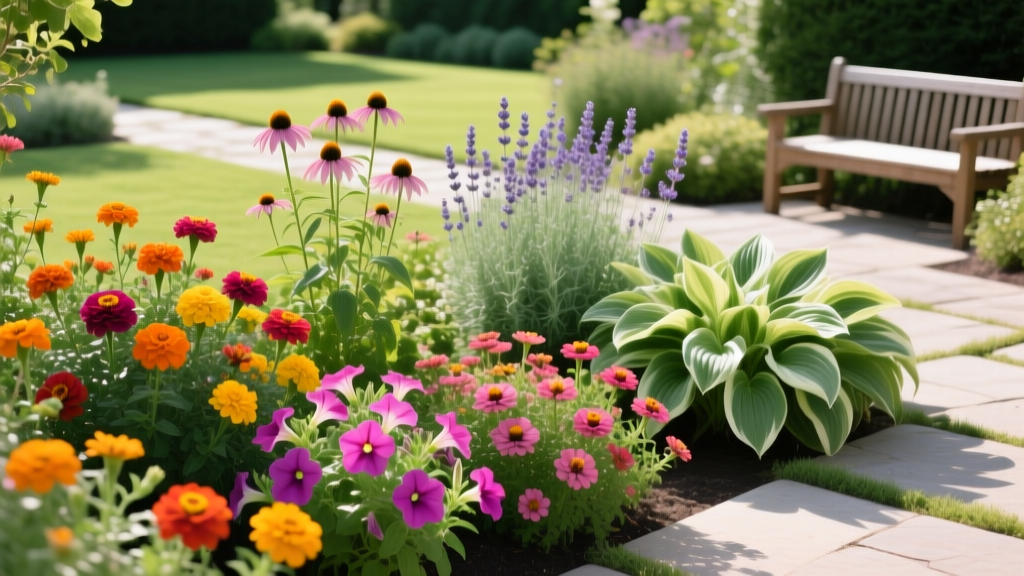
What's the Difference Between Annuals and Perennials? Garden Guide
The Core Botanical Difference: Life Cycles Explained
When gardeners ask, "what's the difference between annuals and perennials," the answer lies in plant physiology and reproductive strategies. True annuals are monocarpic, meaning they complete their entire life cycle—from seed germination to vegetative growth, flowering, seed production, and death—within a single growing season. Their biological imperative is to produce as many seeds as possible before winter kills them. Common examples include marigolds (Tagetes), zinnias, and most vegetable crops like tomatoes and beans.
Perennials, conversely, are polycarpic. They invest heavily in robust root systems and structural tissues (like woody stems or fleshy rhizomes) designed to survive winter dormancy and regenerate year after year. While they may flower and set seed, the parent plant does not die after reproduction. Herbaceous perennials, such as hostas and daylilies, die back to the ground in winter, while woody perennials, like roses and hydrangeas, retain above-ground structure.
Quick Identification Rule: If a plant's primary energy goes into rapid, explosive top-growth and continuous blooming at the expense of deep roots, it is likely an annual. If it blooms for a shorter window (typically 2 to 4 weeks) and focuses on expanding its root mass, it is a perennial.
Annuals vs. Perennials: Head-to-Head Comparison Matrix
Understanding the operational differences between these two plant categories is critical for garden planning, budgeting, and maintenance scheduling.
| Feature | True Annuals | Herbaceous Perennials |
|---|---|---|
| Lifespan | 1 season (frost to frost) | 3 to 50+ years |
| Bloom Duration | Continuous (months) | Short flushes (2-6 weeks) |
| Root Depth | Shallow (6 to 12 inches) | Deep (18 to 36+ inches) |
| Water Needs | High frequency, low volume | Low frequency, deep soaking |
| Upfront Cost | Low ($3.50 - $5.00 per 4" pot) | High ($14.00 - $28.00 per 1-gal) |
The Hardiness Zone Loophole: "Tender Perennials"
The most confusing aspect of plant identification for home gardeners is the existence of tender perennials. According to the USDA Plant Hardiness Zone Map, a plant's classification is geographically dependent. A plant that is biologically a perennial in its native tropical or subtropical habitat will die if exposed to freezing temperatures.
For example, Pelargonium (common geraniums), Coleus scutellarioides, and Lantana camara are biologically perennials. However, a gardener in Zone 4 (Minnesota) will experience a hard freeze that kills these plants, effectively forcing them to function as annuals. Conversely, a gardener in Zone 9b (Central Florida) can leave those exact same plants in the ground, where they will survive the winter and grow into massive, woody shrubs year after year.
Overwintering Economics
If you live in a cold zone but want to keep tender perennials, you must overwinter them indoors. This requires a specific investment:
- Space: A sunny south-facing window or a dedicated grow tent.
- Equipment: Full-spectrum LED grow lights ($40 to $80) and seedling heat mats ($25) for propagation.
- Labor: Pruning back foliage by 50% before bringing indoors, monitoring for aphids and whiteflies, and reducing water to induce semi-dormancy.
For high-value plants like large angel's trumpet (Brugmansia) or rare alocasias, overwintering is highly cost-effective. For $4 annuals like standard petunias, the indoor space and electricity costs outweigh the replacement value.
Financial Breakdown: Cost Per Square Foot Over 5 Years
To truly understand what's the difference between annuals and perennials from a budgeting perspective, consider a 100-square-foot garden bed planted at a density of 1 plant per 2 square feet (50 plants total). Data compiled from regional nursery pricing and University of Minnesota Extension horticultural guidelines provides a clear long-term picture.
5-Year Cost Projection (100 sq. ft. bed)
Scenario A: 100% Annuals (e.g., Zinnias, Impatiens)
Year 1: $200 (50 plants @ $4.00) + $40 (soil amendments/fertilizer)
Years 2-5: $240 per year
Total 5-Year Cost: $1,160
Scenario B: 100% Herbaceous Perennials (e.g., Coneflower, Salvia)
Year 1: $900 (50 plants @ $18.00 for 1-gallon size) + $60 (compost/mycorrhizal inoculant)
Years 2-5: $50 per year (mulch, compost top-dressing, division)
Total 5-Year Cost: $1,100
Insight: Perennials cost roughly 300% more in Year 1, but break even with annuals by Year 4, becoming significantly cheaper in Years 5 and beyond.
Soil Preparation and Root System Architecture
Because their life cycles differ, annuals and perennials require fundamentally different soil preparation strategies.
Annual Soil Strategy: Top-Down Feeding
Annuals have shallow, fibrous root systems that rarely penetrate deeper than 8 to 12 inches. They rely on rapid nutrient uptake to fuel constant blooming. Prepare annual beds by tilling the top 6 inches of soil and incorporating a balanced, quick-release granular fertilizer (like a 10-10-10 NPK) or water-soluble synthetic feeds applied every 14 days. Focus on high organic matter in the topsoil to retain frequent, light waterings.
Perennial Soil Strategy: Deep Structural Engineering
Perennials develop deep taproots or expansive rhizome networks that can reach 24 to 48 inches deep. Digging a $18 perennial and dropping it into compacted clay guarantees failure. When planting perennials, dig a hole twice as wide and 1.5 times as deep as the nursery pot. Amend the backfill with coarse compost and apply a mycorrhizal fungal inoculant directly to the root ball. These symbiotic fungi extend the plant's root reach by up to 100 times, allowing it to mine deep soil for phosphorus and water during summer droughts. Avoid high-nitrogen synthetic fertilizers, which push weak, floppy top-growth at the expense of root establishment.
Design Framework: Where to Plant Which
Use this decision matrix to determine which plant type fits your specific landscape zone:
- Choose Annuals for: High-visibility entryways, hanging baskets, window boxes, and vegetable gardens where you need to rotate crops yearly to prevent soil-borne pathogens. Annuals provide the "wow factor" and continuous color that perennials cannot match.
- Choose Perennials for: Property borders, rain gardens, pollinator meadows, and steep slopes. Their deep root systems prevent soil erosion and require minimal irrigation once established (usually after Year 2).
- The 70/30 Professional Mix: Landscape architects typically design beds with 70% structural perennials (shrubs, ornamental grasses, long-lived flowering perennials) to form the permanent "bones" of the garden, leaving 30% of the bed space open to drop in seasonal annuals for rotating color pops.
Understanding the biological and financial distinctions between these two categories allows you to stop fighting your garden's ecology and start leveraging it for long-term sustainability and visual impact.

