
Gardening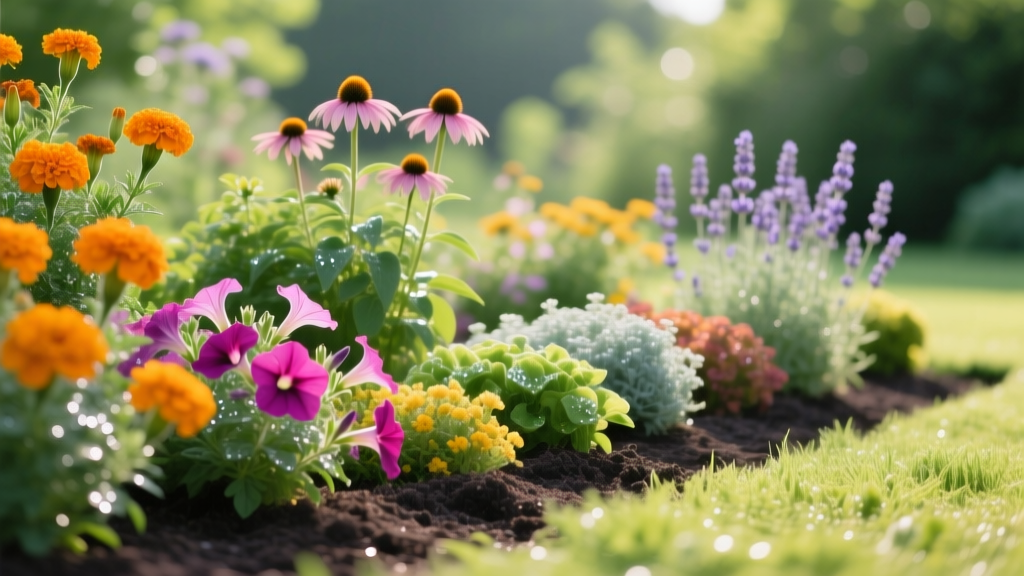
Flowers Annuals vs Perennials: A Practical Guide to Mixed Garden Beds
The foundational decision in any ornamental landscape design is choosing between plants that complete their life cycle in one season and those that return year after year. Understanding the practical differences in flowers annuals vs perennials is not just about botanical definitions; it is about budget allocation, maintenance scheduling, and achieving continuous visual interest. A successful garden bed rarely relies on just one category. Instead, professional landscapers utilize a strategic mix to balance structural permanence with explosive seasonal color.
The Core Differences: Lifespan, Cost, and Maintenance
Before breaking ground, you must evaluate the financial and temporal investments required for each plant type. Annuals require yearly repurchasing and replanting, but they deliver uninterrupted blooms from late spring until the first hard frost. Perennials represent a higher upfront cost and require patience, as they often follow the 'sleep, creep, leap' growth pattern over their first three years, blooming for only a few weeks each season.
| Feature | Annuals | Perennials |
|---|---|---|
| Lifespan | 1 growing season (die after frost) | 3 to 10+ years (dormant in winter) |
| Bloom Duration | Continuous (months) | Seasonal (2 to 6 weeks typically) |
| Average Cost (2026) | $3 - $6 per 4-inch pot; $35 - $55 per flat | $12 - $28 per 1-gallon pot; $35+ for mature divisions |
| Maintenance | High (deadheading, weekly watering, replanting) | Moderate (dividing every 3-5 years, seasonal cutback) |
| Root Depth | Shallow (6 - 12 inches) | Deep (12 - 36+ inches, drought tolerant once established) |
How to Design a Mixed Flower Bed (The 70/30 Framework)
Relying solely on perennials results in a garden that looks barren for 80% of the year. Relying solely on annuals drains your budget and requires exhausting seasonal labor. The industry standard for low-maintenance, high-impact residential beds is the 70/30 framework: 70% structural perennials and 30% filler annuals.
Step 1: Map the Sunlight and Anchor the Perennials
Track the sunlight in your bed for a full day. Full sun requires 6+ hours of direct exposure. Place your perennial anchors first. These are your large, mid-to-late season bloomers like Echinacea (Coneflower) or Rudbeckia (Black-Eyed Susan). Space them according to their mature width, not their current nursery pot size. A common failure mode is planting 1-gallon perennials 12 inches apart because they look sparse, resulting in severe overcrowding and powdery mildew by year three.
Step 2: Fill the 'Bloom Gaps' with Annuals
Perennials have specific, narrow bloom windows. Identify the weeks when your perennial anchors will be dormant or green-only. Use annuals to bridge these gaps. Plant aggressive, heat-tolerant annuals like Zinnia elegans or Profusion series in the foreground and interstitial spaces between your dormant perennials.
Warning: The Nursery Pot Trap
Never plant annuals and perennials in the same physical hole or within 3 inches of each other's root crowns. Annuals require frequent, shallow watering that will rot the deeper, established root systems of drought-tolerant perennials. Maintain a minimum 6-inch buffer between the base of a perennial and surrounding annuals.
Soil Preparation and Planting Execution
Both plant categories demand well-draining soil, but their immediate needs differ. According to the University of Minnesota Extension, amending native soil is critical for perennial longevity, while annuals can tolerate heavier reliance on liquid fertilizers during their short lifespan.
- Testing and pH: Target a soil pH between 6.0 and 6.8. At this range, essential micronutrients like iron and manganese remain bioavailable.
- Amending: For heavy clay soils, do not just dig a hole and fill it with potting mix; this creates a 'bathtub effect' that drowns roots. Instead, top-dress the entire bed area with 2 to 3 inches of aged organic compost and till or fork it into the top 8 inches of native soil.
- Planting Depth: Dig holes 1.5 times wider than the root ball, but no deeper. The crown of the plant (where stems meet roots) must sit exactly level with or slightly above the surrounding soil grade to prevent crown rot.
Top Performing Varieties for Continuous Color
Selecting the right cultivars prevents the frustration of leggy growth and disease. Below are highly rated, disease-resistant selections for full-sun mixed beds.
Perennial Anchors (Zones 4-8)
- Echinacea purpurea 'PowWow Wild Berry': Unlike older coneflower varieties that flop over, this cultivar features rigid, branching stems that bloom heavily from June to August without staking. Retail: ~$18 per gallon.
- Salvia nemorosa 'Caradonna': Provides deep purple vertical spikes in early summer. If sheared back by one-third after the first bloom, it will produce a reliable, albeit lighter, secondary flush in early autumn.
Annual Fillers
- Zinnia 'Profusion Double Deep Apricot': Highly resistant to powdery mildew and alternaria leaf spot, which plague standard zinnias. Grows to a compact 14 inches, making it ideal for bed edges. Retail: ~$4 per 4-inch pot.
- Angelonia angustifolia (Summer Snapdragon): Thrives in high heat and humidity where traditional snapdragons fail. Requires zero deadheading and blooms continuously until a hard freeze.
Troubleshooting Common Failure Modes
When plants underperform, diagnose the issue systematically rather than immediately applying more fertilizer.
- Symptom: Annuals are tall, spindly, and produce few flowers.
Cause: Insufficient light or excess nitrogen fertilizer pushing vegetative growth over reproductive growth.
Fix: Pinch back the top 2 inches of growth to force lateral branching. Switch to a low-nitrogen, high-phosphorus bloom booster (e.g., 5-10-5 NPK ratio). - Symptom: Perennials return in spring but form a dead, brown circle in the center of the clump.
Cause: The plant has outgrown its root zone and requires division.
Fix: In early spring, dig up the entire clump. Use a sharp, sterilized spade to cut the root mass into thirds, discarding the dead center and replanting the vigorous outer edges. - Symptom: Lower leaves of perennials turn yellow and drop; stems collapse at the soil line.
Cause: Crown rot or root rot caused by poor drainage and excessive mulch piled against the stem.
Fix: Pull mulch back 3 inches from the base of all plants. Improve drainage by aerating the surrounding soil with a garden fork.
End-of-Season Protocols: Overwintering and Cleanup
The Royal Horticultural Society advises against aggressive autumn cleanup for perennial beds. Leaving the dried seed heads of perennials like Echinacea and Rudbeckia standing through the winter provides critical food sources for overwintering birds and adds structural interest to the snowy landscape. Furthermore, the hollow stems of perennials serve as essential nesting habitats for native solitary bees.
Annuals, however, must be completely removed after the first killing frost. Pull them by the roots to eliminate hiding places for fungal spores and overwintering pest eggs. Do not compost diseased annual foliage; bag it and send it to the municipal waste stream. Once the annuals are removed, top-dress the exposed soil with a fresh 1-inch layer of compost to protect the perennial root zones from freeze-thaw heaving during the winter months.

