
Gardening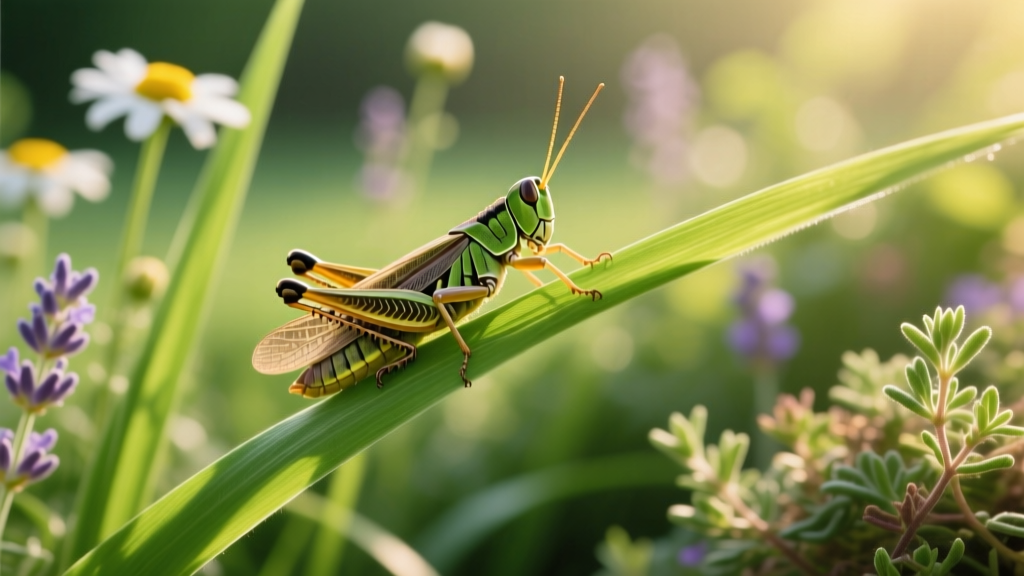
Are Grasshoppers Good for the Garden? Identification and Control
Homeowners observing these insects often ask: are grasshoppers good for the garden? The short answer is no. While a solitary grasshopper is a natural component of the local food web, grasshoppers are voracious, generalist herbivores that become highly destructive agricultural and garden pests when populations surge. A single adult grasshopper can consume up to 50% of its body weight in plant tissue daily. When swarms develop, they can strip a vegetable garden or ornamental landscape to bare stems in a matter of hours.
This guide provides a comprehensive breakdown of the ecological role of grasshoppers, exact identification markers to distinguish them from beneficial insects, and a phased, actionable control framework to protect your crops.
The Ecological Role: When a Few Grasshoppers Benefit the Ecosystem
In strictly controlled, low-density environments, grasshoppers (Suborder Caelifera) provide minor ecological benefits. Their feces (frass) returns trace nutrients like nitrogen and phosphorus to the soil profile, acting as a mild, slow-release organic fertilizer. Furthermore, they serve as a critical protein source for beneficial garden predators, including insectivorous birds (like bluebirds and wrens), predatory wasps, and spiders.
However, the threshold between 'ecological contributor' and 'garden destroyer' is remarkably low. According to Colorado State University Extension, a density of just 10 to 15 grasshoppers per square yard is enough to cause severe economic damage to crops and home gardens. Because they breed exponentially in hot, dry conditions, relying on their ecological benefits is not a viable garden strategy.
Identification Guide: Grasshoppers vs. Katydids vs. Crickets
Misidentification leads to incorrect pest management. Homeowners frequently confuse destructive grasshoppers with beneficial or benign Orthopterans like katydids and crickets. The most reliable morphological differentiator is antenna length relative to the body.
| Feature | Grasshoppers (Caelifera) | Katydids & Crickets (Ensifera) |
|---|---|---|
| Antennae | Short, thick, and segmented (shorter than body) | Long, thread-like, and flexible (often longer than body) |
| Sound Production | Crepitation (clicking sounds made by snapping wings in flight) or rubbing hind legs against wings | Stridulation (rubbing wings together to create trills or chirps) |
| Activity Period | Diurnal (active during the day) | Mostly nocturnal (active at night) |
| Diet & Garden Impact | Strictly herbivorous; severe defoliators of crops and ornamentals | Omnivorous/Predatory; many eat aphids and scale insects, causing minimal plant damage |
| Ovipositor (Egg-laying) | Short, blunt, used to drill into soil | Long, sword-like or needle-like, used to insert eggs into plant stems |
Common Destructive Species in North America
- Differential Grasshopper (Melanoplus differentialis): Large (up to 1.75 inches), olive-green to brown with distinct yellow and black chevron patterns on the hind legs. Highly destructive to beans, corn, and leafy greens.
- Two-Striped Grasshopper (Melanoplus bivittatus): Identified by two distinct pale stripes running from the eyes down the back to the wings. A major pest of brassicas and root vegetable tops.
- Migratory Grasshopper (Melanoplus sanguinipes): The primary swarming species. Capable of flying miles to find new food sources when local vegetation is depleted.
Damage Assessment: How to Spot an Infestation Early
Grasshopper damage is distinct from caterpillar or slug damage. While caterpillars often leave frass (droppings) and roll leaves, and slugs leave slime trails, grasshoppers cause mechanical tearing. Look for the following specific indicators:
- Irregular Leaf Margins: Grasshoppers chew from the outside edge of the leaf inward, leaving jagged, torn margins rather than smooth, circular holes.
- Missing Seedlings: Nymphs (immature grasshoppers) emerge in late spring and can sever young vegetable transplants completely at the soil line, resembling cutworm damage.
- Notched Fruit: In tomatoes and peppers, grasshoppers will chew deep, shallow gouges into the skin of the fruit, opening pathways for secondary bacterial and fungal rot.
⚠ Warning: The Spring Tilling Window
Grasshoppers lay their eggs in late summer and fall in undisturbed, weedy, or compacted soil (often at the edges of garden beds or in adjacent ditches). The eggs overwinter and hatch in mid-to-late spring. If you do not see grasshoppers in July, but notice severe damage in August, the eggs were likely laid in unmaintained border zones the previous year.
Actionable Control Framework: From Prevention to Eradication
Managing grasshoppers requires a phased approach. Because they are highly mobile, treating the garden alone is rarely sufficient; you must target their breeding grounds and intercept nymphs before they develop flight capabilities.
Phase 1: Cultural and Mechanical Controls
Fall and Early Spring Tilling: Rototilling the soil to a depth of 4 to 6 inches in late fall or early spring physically destroys the egg pods, which are typically buried 1 to 2 inches deep. This exposes the eggs to freezing temperatures and predatory ground beetles.
Weed Eradication in Buffer Zones: Grasshoppers prefer to lay eggs in weedy, uncultivated areas. Maintain a 10-foot weed-free buffer zone around your garden. Mow adjacent fields and ditches regularly to eliminate egg-laying sites.
Metallic Row Covers: For high-value crops like young brassicas and tomatoes, deploy spunbonded polypropylene row covers (such as Agribon AG-19, weighing 0.9 oz/sq yard). Secure the edges with soil or landscape staples to prevent nymphs from crawling underneath.
Phase 2: Biological Interventions
Nosema locustae Bait: According to the National Pesticide Information Center, Nosema locustae is a naturally occurring microsporidian protozoan that acts as a biological control agent. Sold under brand names like Nolo Bait or Semaspore (typically $15 to $22 per pound), this bait is coated onto wheat bran flakes.
- Application Timing: Must be applied in early spring when grasshoppers are in their 2nd or 3rd nymphal instar (approx. 0.5 inches long). It is largely ineffective against adults.
- Mechanism: Ingesting the spores causes a chronic, fatal infection that reduces feeding by 50-60% within days and kills the nymph within 3 to 6 weeks. Infected grasshoppers become lethargic and are easily consumed by birds, spreading the spores.
Poultry Integration: Guinea fowl, chickens, and ducks are relentless grasshopper predators. Allowing a flock to free-range the garden perimeter in the early morning (when grasshoppers are sluggish from cold temperatures) can drastically reduce nymph populations.
Phase 3: Chemical Controls (Last Resort)
When populations exceed 15 per square yard and threaten total crop loss, targeted insecticides are necessary. Apply these strictly to the garden borders and breeding zones, avoiding blooming flowers to protect pollinators.
- Bifenthrin (e.g., Bifen IT): A synthetic pyrethroid that provides excellent residual control (up to 30 days). Mix 1 oz per gallon of water and apply as a perimeter spray. Cost: ~$25 for a 16 oz bottle. Note: Highly toxic to aquatic life and bees until dry.
- Carbaryl (e.g., Sevin Dust 5%): A fast-acting carbamate insecticide. Effective for immediate knockdown of adult swarms. Cost: ~$10 for a 1 lb shaker. Apply as a light dusting on foliage, but wash all produce thoroughly before consumption.
- Azadirachtin (e.g., AzaMax): A botanical extract from the neem tree that acts as an antifeedant and growth regulator. It will not kill adults instantly but prevents nymphs from molting. Cost: ~$35 for 16 oz. Safe for use around most beneficial insects once dried.
Frequently Asked Questions
Do grasshoppers bite humans?
Grasshoppers do not possess the mouthparts to pierce human skin. However, large species like the differential grasshopper have strong mandibles and may attempt to pinch if handled roughly, which can cause a mild, temporary stinging sensation but will not break the skin or transmit disease.
Why do grasshopper populations explode some years and not others?
Grasshopper outbreaks are heavily dictated by weather patterns. Two consecutive years of hot, dry summers followed by warm, dry autumns create ideal conditions for egg survival and rapid nymphal development. Conversely, cool, wet springs promote the growth of entomophthoralean fungi, which naturally infect and decimate grasshopper populations.
Are grasshoppers good for the compost bin?
Tossing a few dead grasshoppers into the compost bin is fine, as they will break down and add nitrogen. However, never throw live grasshoppers or freshly laid egg pods into the compost, as the bin may not reach the sustained 140°F internal temperature required to kill the eggs, potentially introducing a new generation of pests to your garden when you spread the finished compost.
Summary: The Verdict on Grasshoppers
While they play a minor role in nutrient cycling and the food chain, grasshoppers are definitively not good for the cultivated garden. Their capacity for rapid defoliation makes them a primary threat to vegetable yields. Success relies on early identification of nymphs, diligent fall tilling to destroy egg pods, and the strategic deployment of Nosema locustae baits before the insects reach their destructive adult stage.

