
Gardening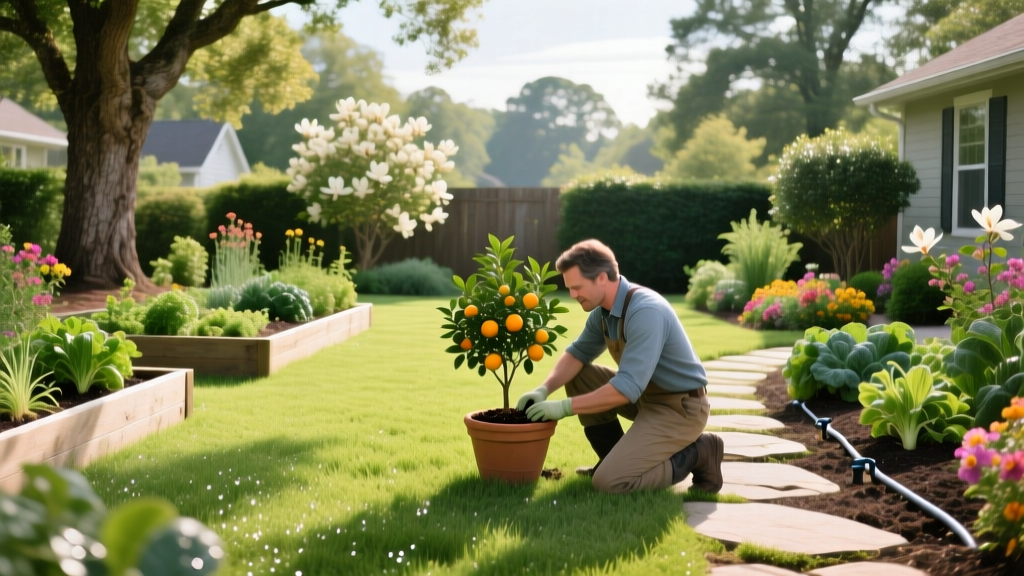
What Growing Zone is Atlanta, GA? Microclimate & Planting Guide
When homeowners ask, "what growing zone is Atlanta, GA?" the standard textbook answer is USDA Zone 8a. However, treating the entire 8,000-square-mile metropolitan area as a single monolithic climate zone is the most common mistake new gardeners make. Atlanta's topography, elevation changes, and dense urban infrastructure create highly localized microclimates that drastically alter what you can successfully grow, when you should plant it, and how you must prepare your soil.
This guide decodes Atlanta's complex hardiness zones, provides a framework for amending the notorious Georgia red clay, and delivers a specific plant palette proven to thrive in the region's high-humidity, hot-summer environment.
Decoding the Atlanta USDA Hardiness Map (Zones 7b to 8b)
The USDA Plant Hardiness Zone Map classifies regions based on the average annual extreme minimum winter temperature. While the broader Atlanta region sits firmly in Zone 8a (10°F to 15°F), local geography fractures this into three distinct sub-zones.
| Sub-Region | USDA Zone | Min Temp Range | Key Neighborhoods / Counties | Gardening Implication |
|---|---|---|---|---|
| North Metro Foothills | 7b | 5°F to 10°F | Cherokee, Forsyth, North Fulton, Dawson | Requires cold-hardy perennials; late spring frosts can damage early blooms. |
| Standard Suburbs | 8a | 10°F to 15°F | Gwinnett, Cobb, DeKalb, Clayton, Henry | The baseline Atlanta zone; supports most traditional Southern landscape staples. |
| Urban Core (Intown) | 8b | 15°F to 20°F | Downtown, Midtown, Grant Park, Virginia Highland | Urban Heat Island effect allows for marginal Zone 9 plants to survive winters. |
The Urban Heat Island Effect: Why Intown Atlanta Feels Like Zone 9
If you live inside the I-285 perimeter, your garden does not experience the same winter lows as a garden in Alpharetta. Atlanta's vast expanses of asphalt, concrete, and dense building materials absorb solar radiation during the day and release it at night. This Urban Heat Island (UHI) effect keeps intown nighttime winter temperatures 4°F to 8°F warmer than the rural outskirts.
Microclimate Warning: While the UHI effect allows intown gardeners to push the envelope with Zone 8b/9a plants like Windmill Palms (Trachycarpus fortunei) or certain citrus varieties in protected courtyards, it also means spring bud break happens 10 to 14 days earlier. This makes early-blooming trees like the Yoshino Cherry highly vulnerable to late-March frost snaps, which frequently devastate the Piedmont Park canopy.
Conquering Cecil Soil: The Reality of Georgia Red Clay
Understanding your zone is only half the battle; understanding your soil is where Atlanta gardening is won or lost. The native soil in most of the Atlanta metro is the Cecil soil series—a highly weathered, acidic, red clay subsoil. During residential construction, the nutrient-rich topsoil (A-horizon) is almost universally stripped away and sold, leaving homeowners to garden directly in the dense, poorly draining B-horizon clay.
The 3-Step Clay Amendment Protocol
Do not attempt to rototill sand into Georgia red clay; this creates a concrete-like matrix. Instead, follow this protocol based on recommendations from the University of Georgia Cooperative Extension:
- Test and Buffer pH: Cecil soil naturally sits at a pH of 4.5 to 5.2. Most vegetables and ornamentals require 6.0 to 6.5. Apply 50 lbs of dolomitic lime per 1,000 square feet in the fall to slowly raise the pH and introduce vital magnesium.
- Fracture, Don't Pulverize: Use a broadfork to fracture the clay down to 12 inches. Avoid mechanical tilling, which destroys soil structure and creates a hardpan plow layer exactly 6 inches below the surface.
- Top-Dress with Pine Bark Fines: Instead of peat moss (which retains too much water and promotes root rot in Atlanta's humid summers), incorporate 3 inches of composted pine bark fines. Pine bark physically holds clay particles apart, increasing macroporosity while slowly acidifying the soil to benefit ericaceous plants like azaleas.
Zone 8a Plant Palette: What Actually Thrives in Atlanta
Selecting plants for Atlanta requires filtering for three stressors: high summer humidity (which breeds fungal pathogens), intense July/August solar radiation, and occasional winter ice storms. Below is a curated matrix of cultivars specifically chosen for their resilience in the Atlanta metro.
| Plant Category | Recommended Cultivar | Why it Works in Atlanta (Zone 8a) | Placement & Care |
|---|---|---|---|
| Shade Tree | Quercus phellos (Willow Oak) | Tolerates heavy clay, resists ice-storm breakage better than Bradford Pear, provides dense canopy. | Full sun; requires 600 sq ft of uncompacted root zone. |
| Flowering Tree | Lagerstroemia indica 'Natchez' | White blooms; highly resistant to powdery mildew, which plagues older Crape Myrtle varieties in GA humidity. | Full sun; do not "crape murder" (top) the canopy. |
| Evergreen Shrub | Camellia japonica 'Debutante' | Thrives in acidic red clay; provides critical late-winter (Jan-Feb) color when little else is blooming. | Dappled shade; protect from harsh morning winter sun to prevent bud drop. |
| Summer Perennial | Echinacea purpurea 'Magnus' | Deep taproot penetrates clay; withstands 95°F+ August heat waves without supplemental irrigation once established. | Full sun; leave seed heads in winter for goldfinches. |
| Vegetable (Tomato) | 'Celebrity' or 'Better Boy' | Bred for nematode resistance (VFN), crucial for Atlanta soils where root-knot nematodes devastate heirlooms. | Full sun; plant in raised beds with 40% compost to ensure drainage. |
Atlanta Planting Calendar: Timing the Frost Windows
Atlanta's average last spring frost falls between March 27 and April 7, while the first fall frost typically arrives between November 2 and November 12. However, planting dates should be dictated by soil temperature, not just air temperature.
Pro-Tip for Warm-Season Transplants: Do not plant tomatoes, peppers, or cucumbers in mid-April just because the air is warm. Atlanta's red clay holds winter cold. Wait until the soil temperature at a 4-inch depth consistently reads 65°F or higher (usually May 1st to May 10th). Planting in 55°F clay will stunt root growth and invite Pythium root rot.
The Fall Garden Advantage
Many transplants to Atlanta attempt to grow a massive summer vegetable garden, only to be defeated by August's 95°F heat, 80% humidity, and relentless squash vine borers. The true Atlanta gardening secret is the fall garden. Planting brassicas (broccoli, kale), root vegetables (carrots, radishes), and leafy greens in late August allows them to establish during the warm days and mature during the cool, pest-free autumn nights. A fall garden in Zone 8a will often out-produce a spring garden by a 2-to-1 margin.
Expert Troubleshooting: Common Atlanta Gardening Failures
Even with the right zone and soil prep, Atlanta's specific climate creates unique failure modes. Watch for these three regional issues:
- Cercospora Leaf Spot on Hydrangeas: Atlanta's nocturnal humidity often stays above 80% from June through September. This creates a breeding ground for Cercospora on bigleaf hydrangeas (Hydrangea macrophylla). Fix: Switch to Hydrangea paniculata varieties like 'Limelight', which are highly resistant, or apply a preventative copper fungicide in early May before symptoms appear.
- Ambrosia Beetle Attacks on Stressed Trees: These tiny borers target trees weakened by summer drought. They carry a symbiotic fungus that clogs the tree's vascular system, killing it in weeks. Fix: Maintain a 3-inch layer of mulch out to the drip line to retain soil moisture, and avoid pruning trees during the beetle's active flight season (March and August).
- Bermudagrass Invasion in Garden Beds: Common Bermudagrass (Cynodon dactylon) is the dominant lawn grass in Atlanta and will aggressively invade garden beds via rhizomes. Fix: Install a 10-inch deep physical root barrier (high-density polyethylene) around the perimeter of your vegetable beds. Standard landscape fabric will not stop Bermudagrass rhizomes.
Successfully gardening in Atlanta requires respecting the nuances of your specific micro-zone, aggressively amending the native clay, and selecting cultivars bred to withstand the unique intersection of Southern heat and Appalachian humidity. By aligning your planting schedule with soil temperatures rather than calendar dates, you can build a resilient, high-yielding landscape in the heart of Georgia.

