
Gardening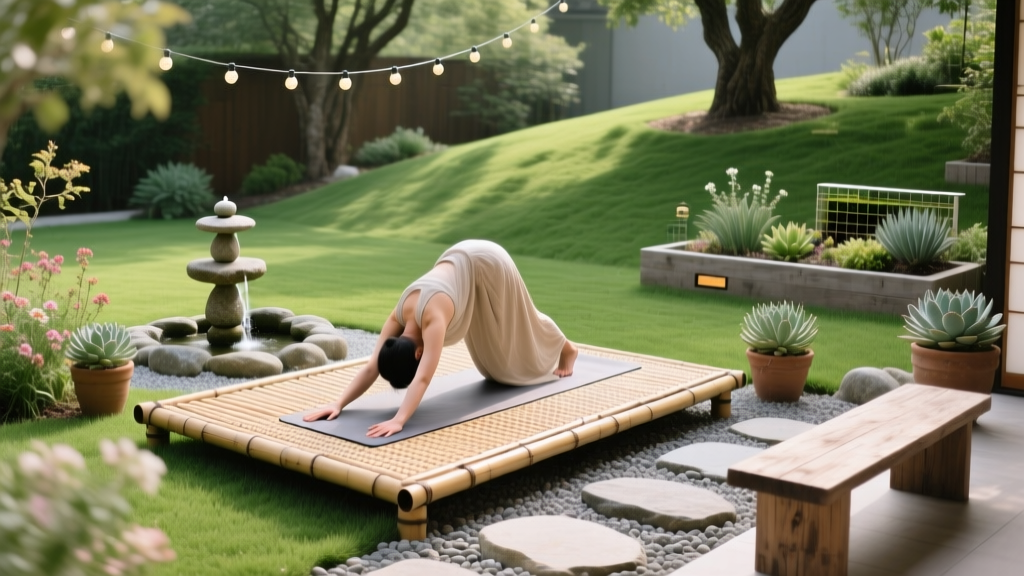
How to Design and Build a Backyard Yoga Garden Sanctuary
Designing a dedicated outdoor space for mindfulness and movement requires a departure from standard landscaping principles. A yoga garden is not merely a patio with potted plants; it is a highly functional, sensory-driven environment where hardscape flatness, joint-friendly surfaces, and botanical aromatherapy intersect. Whether you are practicing Vinyasa flows or seated meditation, the physical space must support balance, minimize allergens, and block visual distractions.
This guide details the exact dimensions, hardscaping materials, and botanical selections required to build a functional backyard yoga garden sanctuary from the ground up.
Sizing the Practice Zone: The Biomechanical Footprint
The most common failure in DIY meditation spaces is underestimating the spatial requirements of a full yoga sequence. A standard yoga mat measures 24 inches by 68 inches, but your body extends far beyond those boundaries during active practice.
- Warrior II (Virabhadrasana II): Requires a lateral wingspan of approximately 7 to 8 feet.
- Downward-Facing Dog (Adho Mukha Svanasana): Requires a longitudinal footprint of at least 6 feet, plus 2 feet of clearance for hand placement adjustments.
- Seated Meditation: Requires a minimum 4-foot diameter for cross-legged posture and arm rest positions.
Minimum Dimension Rule: To accommodate a mat, full limb extension, and a surrounding border for sensory plants, your hardscape practice pad must be a minimum of 10 feet by 10 feet. If you plan to include a secondary space for a bolster or meditation bench, scale up to 12 feet by 14 feet.
Hardscaping the Practice Surface: Material Comparison
Your joints will absorb the impact of your practice. Practicing on uneven gravel or rigid, unyielding concrete can lead to wrist and knee strain. The ideal yoga garden base is perfectly level, offers slight thermal mass to stay cool in summer, and provides a micro-texture for grip without causing abrasions.
| Material | Estimated Cost (per sq ft) | Joint Impact & Grip | Pros for Yoga Practice | Cons & Edge Cases |
|---|---|---|---|---|
| Thermal Flagstone (Bluestone) | $18 - $28 | Medium / High Grip | Stays cool in sun; natural aesthetic; highly durable. | Requires professional sand-set leveling to prevent tripping hazards. |
| Composite Decking (e.g., Trex Transcend) | $12 - $20 | Low / Medium Grip | Perfectly flat; slight flex reduces joint strain; splinter-free. | Can absorb heat in direct, unshaded south-facing exposures. |
| Poured Aggregate Concrete | $8 - $14 | High / Low Grip | Cost-effective; can be stamped for texture; entirely seamless. | Very hard on knees/wrists; requires a thick yoga mat (6mm+). |
| Decomposed Granite (DG) | $4 - $7 | High / Unstable | Permeable; blends seamlessly into natural woodland gardens. | Shifts underfoot during balancing poses; tracks into the home. |
Expert Recommendation: For dedicated practitioners, thermal-finished bluestone laid on a compacted sand bed is the gold standard. The thermal finishing process removes the natural cleft of the stone, creating a uniformly flat, slightly textured surface that grips bare feet and yoga mats without tearing them.
Designing the Sensory and Privacy Perimeter
A yoga garden must shield the practitioner from neighborhood sightlines while engaging the parasympathetic nervous system through deliberate botanical choices. According to guidelines on sensory garden design from the Royal Horticultural Society (RHS), engaging multiple senses grounds the mind and deepens meditative states.
1. Olfactory (Scent) Selections
Avoid highly volatile, overpowering scents that can cause headaches during deep pranayama (breathwork). Instead, opt for low-pollen, insect-pollinated herbs that release essential oils when brushed against or warmed by the sun.
- Lavandula angustifolia 'Hidcote' (English Lavender): Hardy to Zone 5. Releases linalool, a compound proven to lower heart rate and blood pressure. Plant 18 inches from the hardscape edge.
- Trachelospermum jasminoides (Star Jasmine): Train this evergreen vine up a 6-foot cedar privacy trellis. It provides a dense visual screen and emits a soft, sweet fragrance in the early morning and evening.
2. Tactile (Touch) Borders
Soft, fuzzy foliage invites touch and creates a psychological boundary between the 'active' world and the 'sanctuary' space. The University of Minnesota Extension highlights tactile plants as essential for grounding exercises.
- Stachys byzantina (Lamb's Ear): Thick, velvety leaves that are highly drought-tolerant. Use as a low-growing border directly abutting the patio stones.
- Muhlenbergia capillaris (Pink Muhly Grass): While ornamental grasses can be allergenic, Muhly is relatively low-pollen and provides a soft, visual 'feathery' texture that sways gently in the breeze, aiding in visual meditation (Trataka).
Allergen Warning: Never plant wind-pollinated species like Birch, Oak, or heavy-pollen ornamental grasses (e.g., Miscanthus) within 15 feet of your practice zone. Deep breathing during yoga will draw in airborne allergens, triggering respiratory irritation. Stick to heavy, sticky-pollen plants that rely on bees and butterflies.
Step-by-Step Hardscape Installation Flow
A shifting patio ruins balancing poses. Follow this exact base preparation protocol to ensure your flagstone or paver surface remains perfectly level through freeze-thaw cycles.
- Excavation: Dig the 10x10 foot area to a depth of 8 inches below the final desired grade. Ensure a 1% slope away from your home's foundation for drainage.
- Base Layer: Lay a heavy-duty non-woven geotextile fabric to prevent weed intrusion. Add 4 inches of 3/4-inch minus crushed gravel.
- Compaction: Run a mechanical plate compactor over the gravel in overlapping passes until the base is rigid and shows no footprints when stepped on.
- Leveling Bed: Spread 2 inches of coarse, washed concrete sand. Use a screed board to level the sand perfectly.
- Stone Placement: Lay your thermal bluestone, maintaining exact 1/4-inch gaps between stones.
- Jointing: Sweep polymeric sand into the joints and mist with water. Polymeric sand hardens like concrete, preventing weeds and stopping ants from building mounds that would disrupt your practice space.
Lighting and Acoustic Masking
Visual and auditory distractions break concentration. To mask street noise and neighbor activity, integrate a localized acoustic feature. A small, recirculating basalt column fountain powered by a 50-100 GPH solar water pump provides a consistent, broad-spectrum white noise that masks traffic without overwhelming quiet meditation. Place the fountain 4 to 6 feet from the edge of the mat.
For lighting, avoid harsh, cool-white LED floodlights which suppress melatonin production. Install low-voltage (12V) path lights with 2700K warm-white bulbs hidden in the perimeter foliage, pointing upward into the canopy of a shade tree or toward the privacy trellis. This creates a soft, indirect glow suitable for evening Yin yoga or restorative sessions.
Frequently Asked Questions
Can I practice yoga directly on natural grass?
While occasionally acceptable, natural grass is generally unsuitable for a dedicated yoga garden. Grass hides uneven soil divots that can cause ankle sprains during standing balances. It also harbors morning dew, insects, and soil-borne fungi. A dedicated, level hardscape pad is strongly recommended for consistent practice.
How do I provide shade without blocking the breeze?
Avoid solid-roof pergolas, which trap heat and block airflow. Instead, install a tensioned shade sail (specifically a high-density polyethylene knit fabric with an 85% UV block rate) angled at 15 degrees. This blocks harsh midday sun while allowing hot air to escape and cross-breezes to flow through the practice zone.
What is the best privacy screening for small urban yards?
In tight urban spaces where planting a hedge is impossible, use modular cedar trellis panels (minimum 6 feet tall) interplanted with fast-growing, evergreen climbers like Star Jasmine or Clematis armandii. This provides a living, fragrant wall that takes up less than 12 inches of ground depth.

