
Gardening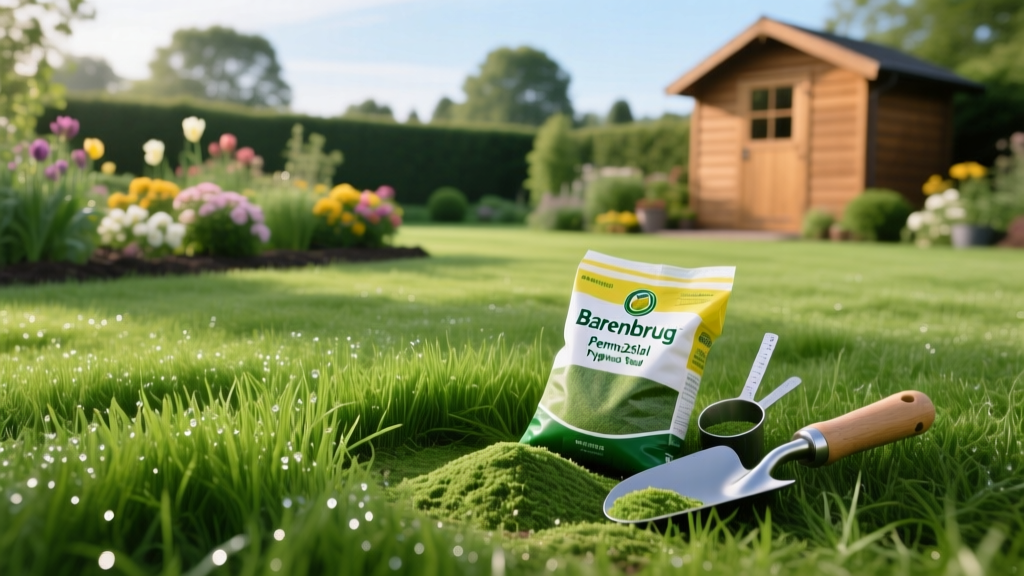
Barenbrug 25lb Perennial Ryegrass Seed: 2026 Coverage & Cost Guide
Integrating Premium Ryegrass into Garden Landscapes
Perennial ryegrass (Lolium perenne) is a cornerstone species for high-traffic garden pathways, orchard understories, and erosion control between raised vegetable beds. Its primary advantage is rapid germination—often emerging in 5 to 7 days—providing immediate soil stabilization before weeds can establish. When sourcing premium turf, you may encounter legacy or regional European listings for barenbrug 25lb peren ryegras seed; this is simply the Dutch-origin spelling for the exact same high-performance perennial ryegrass genetics produced by Barenbrug, a global leader in turfgrass breeding.
This guide provides exact 2026 dosage calculations, cost breakdowns, and calibration metrics for the 25-pound bag format, specifically tailored for gardeners integrating turf into broader landscape designs.
Coverage & Dosage Matrix
Calculating the correct seeding rate is critical. Over-application leads to intense seedling competition and fungal vulnerability, while under-application leaves bare soil exposed to weed invasion. Barenbrug's 25lb bag is sized perfectly for mid-scale garden projects, such as long perimeter pathways or large pollinator meadow borders.
| Application Scenario | Rate per 1,000 sq ft | Total Coverage (25lb Bag) | Best Garden Use Case |
|---|---|---|---|
| New Establishment (Bare Soil) | 6.0 - 8.0 lbs | 3,125 - 4,166 sq ft | New garden pathways, orchard floor seeding |
| Overseeding (Existing Turf) | 3.0 - 5.0 lbs | 5,000 - 8,333 sq ft | Thickening thinning paths, repairing winter damage |
| Erosion Control / Slopes | 8.0 - 10.0 lbs | 2,500 - 3,125 sq ft | Steep garden borders, rain garden perimeters |
Note: For garden pathways subject to heavy wheelbarrow or foot traffic, aim for the higher end of the new establishment rate (8 lbs/1,000 sq ft) to ensure a dense, wear-resistant tiller count.
2026 Cost Breakdown & ROI Analysis
Pricing for premium, endophyte-enhanced perennial ryegrass has stabilized in 2026 after the supply chain fluctuations of previous years. A standard 25lb bag of Barenbrug perennial ryegrass (such as the Baridote or Panther GLS cultivars) currently retails between $95.00 and $125.00, depending on the specific blend and regional distributor.
Cost Per Square Foot Calculation:
At an average retail price of $110.00 per 25lb bag, and a standard new lawn application rate of 7 lbs per 1,000 sq ft (covering ~3,570 sq ft total), your seed cost is exactly $0.030 per square foot. This makes it one of the most cost-effective solutions for rapid garden pathway establishment compared to laying sod ($0.45+ per sq ft) or planting deep-rooted perennial groundcovers that take two seasons to fill in.
At an average retail price of $110.00 per 25lb bag, and a standard new lawn application rate of 7 lbs per 1,000 sq ft (covering ~3,570 sq ft total), your seed cost is exactly $0.030 per square foot. This makes it one of the most cost-effective solutions for rapid garden pathway establishment compared to laying sod ($0.45+ per sq ft) or planting deep-rooted perennial groundcovers that take two seasons to fill in.
Precision Application: Spreader Calibration
Barenbrug seeds are relatively small and dense. Using an uncalibrated spreader often results in striping—alternating bands of thick and thin grass. According to the Purdue University Turfgrass Program, proper calibration is the single biggest factor in uniform establishment.
Recommended Spreader Settings (2026 Models)
- Scotts Turf Builder EdgeGuard Mini (Rotary): Setting 5.5 for new pathways; Setting 4.0 for overseeding.
- Lesco High Wheel (Drop): Setting 9.0 for new; Setting 7.0 for overseeding.
- EarthWay (Broadcast): Setting 14 for new; Setting 11 for overseeding.
Pro Tip: Always split your total dosage in half. Apply the first half walking North-to-South, and the second half walking East-to-West. This cross-hatching technique eliminates gaps and ensures edge-to-edge coverage along your garden beds.
Soil Preparation & Germination Timeline
Perennial ryegrass requires direct seed-to-soil contact. Broadcasting seed over existing garden mulch or compacted clay will result in a 90% failure rate.
- De-thatch and Aerate: For existing paths, use a manual core aerator to pull 3-inch plugs every 4 inches. For bare soil, till the top 2 inches and rake completely level.
- Soil Temperature Check: Ryegrass germinates best when soil temperatures are consistently between 50°F and 65°F. Use a digital soil probe at a 2-inch depth before planting.
- Sow and Roll: After spreading the Barenbrug seed, use an empty water-filled lawn roller (approx. 150 lbs) to press the seed into the soil. This prevents birds from eating the seed and ensures moisture contact.
- Irrigation Protocol: Water lightly 3 to 4 times a day for the first 7 days. The goal is to keep the top 1/2 inch of soil constantly moist, not saturated. Once seedlings reach 1 inch, reduce watering to once daily, then transition to deep, infrequent soakings.
Endophyte Benefits & Livestock Warning
Most modern Barenbrug perennial ryegrass cultivars are enhanced with beneficial fungal endophytes (Epichloë festucae var. lolii). These fungi live inside the grass blades and produce alkaloids that deter surface-feeding insects like chinch bugs and sod webworms, drastically reducing the need for chemical pesticides in your garden ecosystem.
⚠️ CRITICAL WARNING FOR HOMESTEADERS:
If your garden layout includes grazing paddocks for horses, sheep, or cattle, do not use endophyte-enhanced ryegrass. The same alkaloids that deter insects can cause severe neurological issues and fescue toxicosis-like symptoms in grazing livestock. For livestock areas, you must specifically seek out 'endophyte-free' (E-) seed tags.
If your garden layout includes grazing paddocks for horses, sheep, or cattle, do not use endophyte-enhanced ryegrass. The same alkaloids that deter insects can cause severe neurological issues and fescue toxicosis-like symptoms in grazing livestock. For livestock areas, you must specifically seek out 'endophyte-free' (E-) seed tags.
Troubleshooting Common Failure Modes
Even premium seed fails if environmental stressors are ignored. Here are the most common edge cases when establishing ryegrass in garden environments:
Pythium Blight in Humid Microclimates
Garden pathways bordered by tall, dense pollinator plants often suffer from poor air circulation. In mid-summer (when nighttime temperatures exceed 70°F with high humidity), ryegrass is highly susceptible to Pythium blight, which manifests as greasy, dark, matted patches. The Fix: Prune bordering perennials to allow 12 inches of airflow above the turf. If blight appears, apply a preventative fungicide containing Azoxystrobin immediately.
Summer Dormancy & Brown Patch
Unlike tall fescue, perennial ryegrass has a shallower root system (typically 6-12 inches deep). During July and August heatwaves, it will naturally thin and brown. The Penn State Extension recommends raising your mower deck to 3.5 inches during summer months to shade the soil and reduce evaporation stress. Never scalp ryegrass below 2.5 inches, or you will expose the crown to lethal heat damage.
Frequently Asked Questions
Can I mix Barenbrug perennial ryegrass with my existing Kentucky Bluegrass garden paths?
Yes. Perennial ryegrass is an excellent nurse grass for Kentucky Bluegrass. The ryegrass will germinate in 5 days, stabilizing the soil and providing shade, while the slower-germinating Bluegrass (14-21 days) establishes underneath. Over time, the Bluegrass will spread via rhizomes and fill in the gaps as the ryegrass naturally thins.
How long does an unopened 25lb bag of Barenbrug seed remain viable?
If stored in a cool, dry environment (below 60°F and under 50% humidity) away from direct sunlight, the seed will maintain an 85%+ germination rate for up to 3 years. Avoid storing the bag directly on a concrete garage floor, as moisture wicking can ruin the seed.
Is this seed coated or uncoated?
Barenbrug typically offers both. Coated seed (often treated with a zinc-based fungicide and moisture-retaining polymer) weighs about 30% more per volume. If your bag is coated, you must increase your spreader setting by roughly 10-15% to account for the extra weight and ensure you are putting down the correct number of actual seeds per square foot.

