
Gardening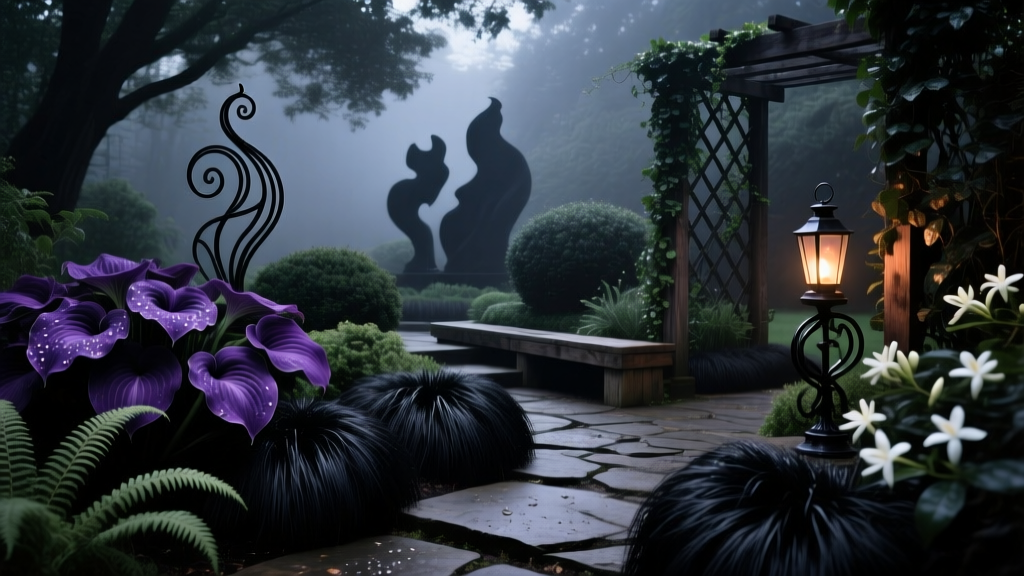
How to Start a Goth Garden: Dark Plants and Design Tips
A goth garden is far more than a seasonal Halloween display. It is a sophisticated, year-round horticultural style that relies on deep purples, near-black foliage, dramatic architectural forms, and moody hardscaping. For beginners, the challenge lies in understanding how dark-pigmented plants interact with light, soil chemistry, and surrounding colors. Without the right contrast and soil conditions, a goth garden can quickly look muddy, overgrown, or revert to standard green.
This guide breaks down the exact plant cultivars, soil amendments, and hardscaping materials you need to cultivate a striking, low-maintenance goth garden, drawing on established horticultural principles for anthocyanin production and landscape design.
The Core Principles of Goth Garden Design
The biggest mistake beginners make when planting dark foliage is placing it against other dark backgrounds. Black and deep purple plants absorb light rather than reflecting it. If you plant a Black Mondo Grass next to a dark wooden fence in deep shade, the plant will visually disappear.
The Rule of High-Contrast Pairing
To make dark plants pop, you must pair them with high-contrast, light-reflecting companions. According to landscape design frameworks highlighted by the Royal Horticultural Society (RHS), silver, chartreuse, and crisp white foliage act as visual spotlights for dark plants.
- Silver companions: Dusty Miller (Jacobaea maritima) or Licorice Plant (Helichrysum petiolare).
- Chartreuse companions: Sweet Potato Vine (Ipomoea batatas 'Margarita') or Japanese Forest Grass (Hakonechloa macra 'Aureola').
- White companions: Snow-on-the-Mountain (Euphorbia marginata) or white-blooming Caladiums.
Best Dark Foliage and Black Flowers for Beginners
Selecting the right cultivars is critical. Many plants marketed as 'black' are actually just very dark purple or maroon. The following table details reliable, beginner-friendly cultivars that maintain their dark pigmentation when grown in the correct light conditions.
| Plant Cultivar | Botanical Name | USDA Zones | Light Requirement | Mature Size |
|---|---|---|---|---|
| Black Mondo Grass | Ophiopogon planiscapus 'Nigrescens' | 6-10 | Part Sun to Full Sun | 6-8 inches tall |
| Queen of Night Tulip | Tulipa 'Queen of Night' | 3-8 | Full Sun | 18-24 inches tall |
| Black Velvet Petunia | Petunia x hybrida 'Black Velvet' | Annual | Full Sun | 12 inches trailing |
| Obsidian Heuchera | Heuchera 'Obsidian' | 4-9 | Part Shade | 10-12 inches tall |
| Black Baccara Rose | Rosa 'Meidebenneac' | 5-10 | Full Sun | 3-4 feet tall |
When sourcing these plants, expect to pay a premium for specialized cultivars. Black Mondo Grass plugs typically cost between $4 and $6 each, while established Black Baccara roses in 2-gallon containers range from $35 to $55 at specialty nurseries.
Hardscaping and Decor: Setting the Moody Stage
A true goth garden relies heavily on hardscaping to anchor the plantings. Standard red brick or bright concrete pavers will clash with the aesthetic. Focus on materials that oxidize, weather, or naturally present in dark, muted tones.
Budget-Friendly Hardscaping Swaps
Wrought iron fencing and custom stone work are expensive. For beginners on a budget, use Corten steel edging ($4 to $6 per linear foot). It rusts to a deep, dark brown-black patina that perfectly complements dark foliage. Pair this with black lava rock ($80 to $120 per ton) instead of standard gravel for pathways and dry creek beds.
The Mulch Dilemma: Dyed vs. Natural
Black mulch is a staple of the goth garden, but the type you choose matters immensely for soil health. Avoid black walnut hull mulch. While naturally dark, black walnut produces juglone, a chemical that is highly toxic to many ornamental plants and vegetables. Instead, opt for carbon-black dyed hardwood mulch. Be aware that dyed hardwood mulch can temporarily tie up soil nitrogen as it decomposes, so you will need to supplement your soil accordingly, as noted in soil management guides by the University of Minnesota Extension.
Soil Prep and Fertilizer for Maximum Pigmentation
The dark colors in goth garden plants are primarily caused by anthocyanins, a type of water-soluble vacuolar pigment. The production of anthocyanins is heavily influenced by soil chemistry and nutrient availability.
The Nitrogen Trap
Nitrogen promotes chlorophyll production (green pigment). If you over-fertilize your dark plants with a high-nitrogen lawn-style fertilizer (like a 24-4-12 NPK ratio), the chlorophyll will overpower the anthocyanins, and your black or purple plants will revert to a standard, muddy green.
- Test your soil pH: Anthocyanin expression is optimal in slightly acidic to neutral soil (pH 6.0 to 6.8). If your soil is too alkaline, amend it with elemental sulfur at a rate of 1 pound per 100 square feet to lower the pH by one point.
- Choose the right fertilizer: Use a low-nitrogen, high-phosphorus fertilizer. A 3-12-6 or 5-10-10 NPK ratio encourages deep root growth and bloom production without triggering excessive green leafy growth.
- Apply iron chelate: Dark foliage plants, particularly Heuchera and roses, are prone to iron chlorosis in alkaline soils. If leaves begin to turn yellow with green veins, apply a liquid iron chelate spray directly to the foliage for rapid absorption.
Common Beginner Mistakes to Avoid
Warning: Do not plant dark foliage in deep shade. While it seems logical that shade would keep things dark, plants actually require direct or bright indirect sunlight to synthesize anthocyanins. Without adequate UV exposure, the plant will stop producing dark pigments to maximize light absorption, turning green to survive. Always plant your dark cultivars in locations that receive at least 4 to 6 hours of direct morning sun.
Beyond light deprivation, beginners often overcrowd their goth gardens. Dark foliage creates heavy visual weight. If plants are spaced too closely, the garden loses its architectural definition and becomes a solid, impenetrable mass of dark leaves. Always space your dark perennials 20% wider than the nursery tag recommends, and use negative space (like patches of black lava rock or dark slate) to give the eye a place to rest.
By carefully managing your soil nitrogen levels, selecting high-contrast companion plants, and utilizing weathered hardscaping materials, you can establish a striking goth garden that maintains its dramatic, moody aesthetic year-round. For further reading on managing annuals and perennials in shaded or specialized garden beds, consult the Clemson University Home & Garden Information Center.

