
Gardening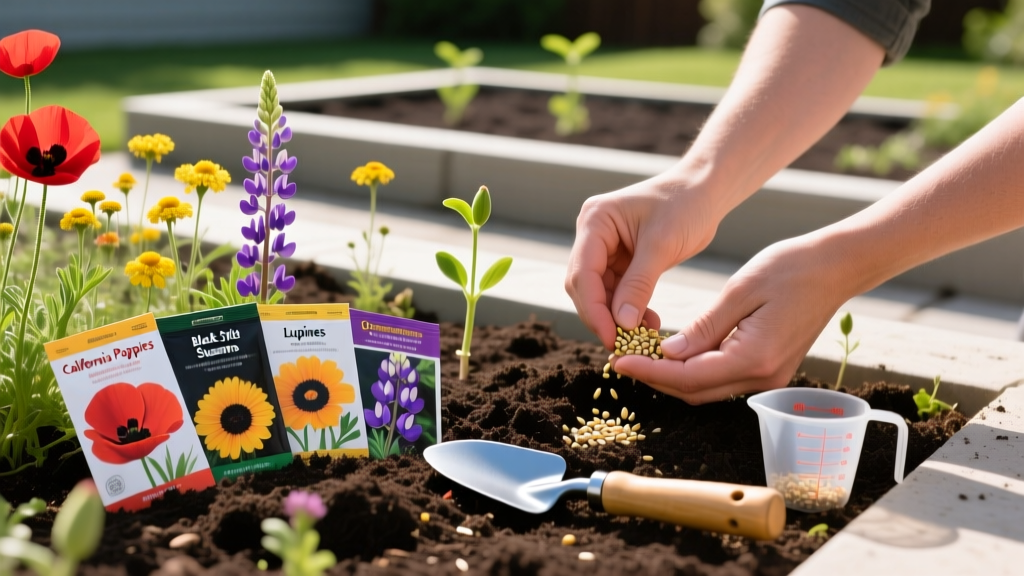
Wildflower Gardening for Beginners: Soil Prep and Seed Selection
Transitioning from a high-maintenance turf lawn to a native meadow is one of the most impactful landscaping decisions a homeowner can make. However, wildflower gardening is fundamentally different from traditional gardening. The most common reason beginner meadows fail within the first 18 months is a misunderstanding of soil ecology and seed dormancy. Unlike vegetable gardens or ornamental flower beds, native wildflower meadows require specific, often counterintuitive, soil conditions and precise establishment timelines.
This guide bypasses generic advice to provide exact measurements, product recommendations, and troubleshooting frameworks for establishing a resilient wildflower meadow from seed.
The Poor Soil Paradox: Why Fertilizer Destroys Meadows
The most critical concept in wildflower gardening is that native meadow species are adapted to nutrient-poor soils. When beginners apply standard lawn fertilizers or rich compost before planting, they inadvertently create an environment where aggressive, fast-growing grasses and broadleaf weeds outcompete the slower-establishing wildflowers.
Warning: Never add nitrogen-rich fertilizers, peat moss, or heavy compost to a wildflower seedbed. Target a soil pH between 6.0 and 7.0, but prioritize low organic matter content to prevent weed domination.
Step-by-Step Soil Preparation (The Solarization Method)
Eliminating existing turf grass and weed seed banks is non-negotiable. While rototilling seems efficient, it brings dormant weed seeds to the surface. For beginners, soil solarization is the most effective, chemical-free preparation method.
- Mow and Scalp: Mow the existing lawn to the lowest possible setting (under 1 inch). Rake away all debris to expose bare soil.
- Moisten the Soil: Water the area deeply to a depth of 12 inches. Moist soil conducts heat more effectively, which is required to kill soil-borne pathogens and weed seeds.
- Apply Clear Polyethylene: Cover the area with 6-mil clear UV-stabilized polyethylene plastic. (Do not use black plastic; clear plastic traps solar radiation to create a greenhouse effect). Bury the edges 6 inches deep in a perimeter trench to seal the heat.
- Bake for 6 to 8 Weeks: Leave the plastic in place during the hottest months of summer (June through August). Soil temperatures under the plastic will reach 110°F to 140°F in the top 2 inches, effectively sterilizing the seedbed.
- Remove and Rake: Pull the plastic, rake the top 1/4 inch of soil to create a fine, level seedbed, and lightly compact it with a lawn roller.
Selecting the Right Seed Mix: Regional Specificity
A generic 'wildflower mix' from a big-box store often contains non-native annuals and invasive filler seeds that will die off after year one, leaving you with a weed patch. According to The Xerces Society, selecting regionally appropriate, native perennials is vital for supporting local pollinator life cycles and ensuring long-term meadow survival.
When sourcing seeds, look for mixes that specify '100% Pure Live Seed (PLS)' and contain a ratio of roughly 60% perennials to 40% native annuals (which provide first-year color while perennials establish root systems).
Top Beginner-Friendly Native Seed Suppliers (2026 Pricing)
| Supplier | Recommended Mix | Est. Cost (per 1,000 sq ft) | Best For |
|---|---|---|---|
| Prairie Moon Nursery | Midwest Mesic Meadow Mix | $35 - $45 | Deep-rooted perennials, clay soils |
| American Meadows | Regional Pro Mix (Northeast/Southeast/etc.) | $28 - $38 | Beginners wanting high first-year bloom |
| Ernst Conservation Seeds | Eastern Pollinator Mixture | $40 - $55 | Strict native ecotype restoration |
Calculating Exact Seed Rates
The standard sowing rate for a diverse wildflower meadow is 1/2 pound of pure live seed per 1,000 square feet. If you are planting a 2,500 square foot area, you need 1.25 pounds of seed. Do not over-seed; overcrowding leads to intense competition for water and weak, spindly stems that lodge (fall over) in heavy rain.
The Sowing Technique: Sand Carrier and Compression
Wildflower seeds are exceptionally small. Sowing them directly by hand results in uneven clumping. To achieve professional-grade distribution, use a carrier material.
Pro Tip: Mix your measured seed with damp sand or vermiculite at a 1:4 ratio (one part seed to four parts sand). This adds bulk, allowing you to see exactly where you have broadcast the seed and ensuring even coverage across the soil surface.
Once the seed-sand mixture is broadcast evenly in two perpendicular passes (half the mixture north-to-south, the other half east-to-west), the seeds must be pressed into the soil. Do not bury the seeds. Most native wildflower seeds require light to trigger germination. Simply run an empty lawn roller over the area to ensure firm seed-to-soil contact.
The First 60 Days: Establishment and Weed Management
The first two months dictate the success of your meadow. Your primary enemy during this phase is not a lack of water, but annual weeds that will attempt to colonize the bare soil before your slow-germinating natives emerge.
Watering Protocol
- Weeks 1-3: Water lightly for 15 minutes daily to keep the top 1/2 inch of soil consistently moist. This triggers the germination of surface-sown seeds.
- Weeks 4-6: Transition to deep, infrequent watering. Apply 1 inch of water twice a week to encourage roots to drive downward.
- Week 7+: Reduce to supplemental watering only during severe droughts.
Year-One Mowing Regimen
According to Penn State Extension, a strategic mowing schedule in the first year is critical to prevent annual weeds from shading out young perennial wildflower rosettes. Set your mower blade to a height of 6 to 8 inches. Mow the meadow whenever weed growth exceeds 12 inches. This cuts off the weed seed heads while allowing the low-growing basal leaves of your first-year wildflowers to remain intact and photosynthesize.
Troubleshooting Common Establishment Failures
| Symptom | Probable Cause | Corrective Action |
|---|---|---|
| Meadow is 90% tall grass/weeds in Year 1 | Failed to mow at 6-8 inches; weeds choked out seedlings. | Perform a hard cut in late fall. Hand-pull large woody weeds next spring. |
| Seeds washed away after heavy rain | Lack of soil compression; seeds were left loose on the surface. | Re-seed bare patches using the sand carrier method and roll immediately. |
| Sparse blooms in Year 2 | Soil was too rich; aggressive goldenrod or aster monopolized space. | Thin out dominant species manually in early spring to open the canopy. |
Long-Term Maintenance: The Annual Chop
Once your meadow is established in Year 3, maintenance drops to a fraction of what a traditional lawn requires. The only mandatory task is an annual cut-back. Wait until late winter or very early spring (before new basal growth emerges) to mow the entire meadow down to 4 inches. This preserves overwintering habitat for native bees and ladybugs, which reside in the hollow stems of dead coneflowers and bee balm. Leave the clippings on the ground for two weeks to allow any remaining seeds to drop, then rake them away to prevent thatch buildup.
For further species identification and regional planting timelines, the Lady Bird Johnson Wildflower Center database remains the gold standard for verifying the native range and soil preferences of specific meadow cultivars before purchasing seed.

