
Gardening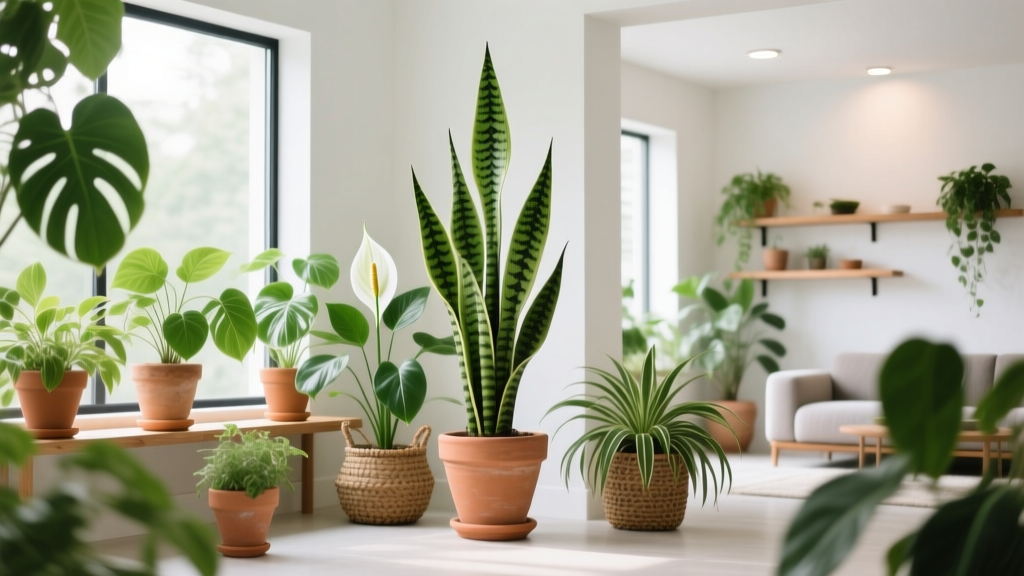
How to Grow the Best Indoor Plants for Clean Air in Any Room
The Science of Phytoremediation: What Plants Actually Filter
When researching the best indoor plants for clean air, most homeowners inevitably encounter the famous 1989 NASA Clean Air Study. While this foundational research proved that certain plants can absorb volatile organic compounds (VOCs) like formaldehyde, benzene, and trichloroethylene, modern environmental science requires a practical reality check. The NASA study was conducted in tightly sealed, 1-cubic-meter chambers designed to simulate space stations. In a standard modern home with typical air exchange rates, you would need between 10 and 100 plants per 100 square feet to replicate those exact chamber results.
However, this does not render indoor plants useless for air quality. According to the EPA guidelines on Volatile Organic Compounds, while source control and mechanical ventilation (following ASHRAE Standard 62.1) are your primary defenses, potted plants provide crucial secondary benefits. They actively increase indoor humidity through transpiration, capture particulate dust on their leaf surfaces, and their soil microbiomes actively break down localized VOCs. To maximize these benefits, you must move beyond simply buying a plant and focus on strategic placement, precise cultivation, and soil optimization.
The 80/20 Filtration Rule: Research indicates that up to 80% of a plant's VOC-removing capability occurs in the root zone (rhizosphere), not the leaves. The soil microbiome consumes airborne toxins drawn down through the soil surface. Optimizing your soil mix is more critical than wiping the leaves.
Strategic Placement: Sizing and Density Matrix
To achieve measurable improvements in localized air quality and humidity, you must match the plant species to the specific chemical off-gassing profile of each room. The matrix below outlines the exact density and lighting requirements for optimal phytoremediation in standard residential spaces.
| Room Type | Primary Target VOC | Best Plant Species | Density (per 100 sq ft) | Light Requirement |
|---|---|---|---|---|
| Bedroom | CO2 (Nighttime) | Snake Plant (Dracaena trifasciata) | 2-3 large pots | 50-250 foot-candles |
| Home Office | Benzene / Toluene | Peace Lily (Spathiphyllum wallisii) | 3-4 medium pots | 200-400 foot-candles |
| Living Room | Formaldehyde | Boston Fern (Nephrolepis exaltata) | 2-3 hanging baskets | 100-300 foot-candles |
| Kitchen | Acetone / Ammonia | Spider Plant (Chlorophytum comosum) | 4-5 small pots | 150-500 foot-candles |
Cultivating the Top 3 Air-Purifying Species
Merely placing a plant in a room is insufficient. To maximize the transpiration rate—which drives the air-pulling mechanism that forces VOCs into the soil—you must cultivate these species to their peak physiological health.
1. Snake Plant (Dracaena trifasciata): The Bedroom Oxygenator
Unlike most plants that release oxygen during the day, the Snake Plant utilizes Crassulacean Acid Metabolism (CAM) photosynthesis. It opens its stomata at night to absorb CO2 and release oxygen, making it the premier choice for bedroom air quality.
- Lighting: Thrives in low light (50 fc) but requires at least 250 fc (bright indirect light) to actively transpire and filter air. Place within 4 feet of an east-facing window.
- Watering: Use the 'soak and dry' method. Insert a 3-prong analog moisture meter into the soil; only water when the meter reads a 1 (completely dry). Overwatering causes root rot, which immediately halts all filtration capabilities.
- Fertilization: Apply a diluted (1/4 strength) balanced liquid fertilizer (10-10-10 NPK) only twice a year, in early spring and mid-summer.
2. Peace Lily (Spathiphyllum wallisii): The Acetone Scrubber
The Peace Lily is highly effective at breaking down acetone (commonly off-gassed by electronics and cleaning supplies) and benzene. Its broad leaves also act as excellent particulate dust traps.
- Lighting: Requires 200-400 foot-candles to maintain the high metabolic rate needed for VOC processing. Avoid direct sunlight, which scorches the leaves and closes stomata.
- Watering: Keep the soil consistently moist but never waterlogged. Water when the top 1 inch of soil feels dry, or when a moisture meter reads 3. Use filtered or distilled water, as Peace Lilies are highly sensitive to chlorine and fluoride found in tap water.
- Humidity: Maintain ambient humidity above 50%. If your home is drier, place the pot on a pebble tray filled with water to create a localized microclimate.
3. Boston Fern (Nephrolepis exaltata): The Formaldehyde Regulator
Boston Ferns are aggressive transpirators, capable of raising localized room humidity by 5% to 10% while scrubbing formaldehyde from pressed-wood furniture and carpets.
- Lighting: Prefers 100-300 foot-candles of filtered light. North-facing windows or shaded east-facing windows are ideal.
- Watering: The soil must never dry out completely. Water when the surface feels slightly dry to the touch. Mist the fronds daily with distilled water to prevent tip browning and maintain stomatal function.
- Maintenance: Shake the plant gently outdoors once a month to dislodge dead fronds and accumulated dust that blocks light absorption.
Optimizing the Soil Microbiome for Maximum Filtration
As noted in the 80/20 rule, the rhizosphere (root zone) is where the actual chemical breakdown of VOCs occurs. Potted plants rely on soil bacteria and fungi to metabolize toxins like formaldehyde into harmless organic acids. Standard commercial potting soils often lack the microbial diversity and physical structure required for this process.
To build a high-performance VOC-filtering soil mix, discard standard peat-based potting soils and blend the following:
- 40% Coco Coir: Provides excellent moisture retention without compacting, ensuring oxygen reaches the roots.
- 30% Orchid Bark: Creates large air pockets in the soil, facilitating the downward diffusion of airborne VOCs into the root zone.
- 20% Pumice or Perlite: Improves drainage and prevents anaerobic conditions that kill beneficial bacteria.
- 10% Horticultural Activated Charcoal: Acts as a physical adsorbent, trapping VOC molecules temporarily until the soil microbiome can break them down. Ensure the charcoal is specifically graded for horticulture, not barbecue briquettes.
Repot your air-purifying plants into this mix using unglazed terracotta pots. The porous walls of terracotta allow lateral air exchange into the soil, further boosting the microbiome's filtration capacity compared to sealed plastic or glazed ceramic pots.
Troubleshooting Common Filtration Killers
Even the best indoor plants for clean air will fail to perform if their physiological processes are blocked. Address these common issues immediately:
- Stomatal Blockage (Dust): A layer of dust just 0.1mm thick can reduce a plant's transpiration and photosynthesis rates by up to 30%. Wipe leaves bi-weekly using a damp microfiber cloth. For hard water spots, use a 1:10 dilution of distilled white vinegar to water.
- Root Asphyxiation: If the soil stays wet for more than 5 days, the roots suffocate and the beneficial VOC-eating bacteria die off, replaced by anaerobic pathogens. If you detect a sour or sulfur smell from the soil, repot immediately into the aerated mix outlined above.
- Inadequate Airflow: Plants need physical air movement to pull new VOC-laden air across their leaves and soil surface. Place a small oscillating fan on a low setting in the room to ensure gentle, continuous air circulation around the plant canopy.
Frequently Asked Questions
Do I need a grow light for air-purifying plants in dark rooms?
Yes. If a room receives less than 50 foot-candles of natural light, the plant will enter survival mode and close its stomata, halting air filtration. Use a full-spectrum LED grow light (3000K-4000K color temperature) delivering at least 200 PPFD (Photosynthetic Photon Flux Density) at the canopy level for 10-12 hours daily to maintain active transpiration.
Are these plants safe for homes with pets?
While Snake Plants and Boston Ferns are generally considered low-toxicity, the Peace Lily contains calcium oxalate crystals which are toxic to cats and dogs if ingested. If you have pets that chew on foliage, substitute the Peace Lily with a Calathea or Parlor Palm, which offer similar humidity benefits without the toxicity risk. For comprehensive safety data, always cross-reference with the ASPCA's toxic plant database.
How often should I replace the soil to maintain filtration efficiency?
The soil microbiome remains highly active for 18 to 24 months. After two years, the activated charcoal becomes saturated, and the soil structure begins to break down, reducing aeration. Plan to refresh the top 2 inches of soil annually, and perform a full repotting with fresh custom mix every 24 months to maintain peak VOC-removing capacity.

