
Gardening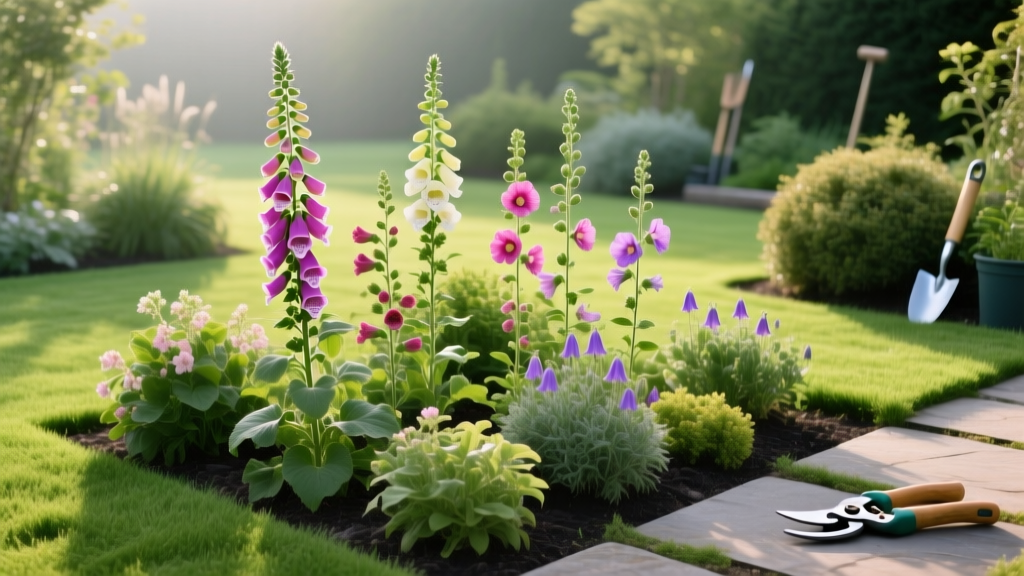
Biennial Plants Meaning: Lifecycle, Identification, and Garden Guide
The True Biennial Plants Meaning and Two-Year Lifecycle
When gardeners discuss the biennial plants meaning, they are referring to a specific botanical lifecycle that spans exactly two growing seasons. Unlike annuals, which sprint from seed to flower to death in a single year, or perennials, which return year after year from a persistent root system, biennials divide their biological objectives strictly across two distinct phases. Understanding this division is critical for both vegetable growers aiming for root harvests and ornamental gardeners seeking towering floral displays.
During the first year, a biennial focuses entirely on vegetative growth. It develops a robust root system, a sturdy stem base, and a dense rosette of leaves to store carbohydrates. The plant then enters a period of dormancy during the winter months. In the second year, the plant utilizes those stored energy reserves to rapidly produce a flowering stalk, bloom, set seed, and finally die.
| Growth Phase | Primary Botanical Objective | Visible Garden Characteristics | Gardener Action Required |
|---|---|---|---|
| Year One (Vegetative) | Root establishment and carbohydrate storage | Low-growing basal rosette, taproot development, no flowers | Consistent moisture, weed control, thinning |
| Winter Dormancy | Vernalization (cold-induced flowering trigger) | Dormant foliage, sometimes protected by snow or mulch | Apply winter mulch after ground freezes to prevent heaving |
| Year Two (Reproductive) | Bolting, flowering, and seed production | Rapid vertical stem elongation, flower buds, seed pods | Staking tall stalks, harvesting seeds, or collecting roots |
How to Identify Biennials in the Garden
Identifying a biennial in its first year can be challenging, as many resemble annual weeds or standard perennials. However, the defining morphological trait of a first-year biennial is the basal rosette. This is a circular cluster of leaves growing tightly at the soil surface, radiating from a central taproot. According to the Royal Horticultural Society, this rosette formation is an evolutionary adaptation to capture maximum sunlight while protecting the plant's crown from harsh winter winds.
Distinguishing Biennials from Lookalikes
- Biennials vs. Annuals: Annuals will typically show signs of vertical stem elongation and bud formation within weeks of germination. First-year biennials remain flat to the ground regardless of how much fertilizer or water they receive.
- Biennials vs. Perennials: Herbaceous perennials often die back completely to the ground in winter, leaving behind rhizomes or tubers. Biennials usually retain their basal rosette of leaves through the winter, albeit in a dormant, sometimes bronze or reddish state.
Expert Identification Tip: If you are unsure whether a mystery seedling is a biennial, check the root structure. Biennial vegetables like carrots (Daucus carota) and parsnips (Pastinaca sativa) develop a pronounced, fleshy taproot in year one specifically designed to survive winter freezing. Perennials typically develop fibrous root networks or specialized structures like bulbs and corms.
The Science of Vernalization and Premature Bolting
The most complex aspect of the biennial plants meaning revolves around vernalization—the physiological process where prolonged exposure to cold temperatures induces flowering. Biennials require a specific number of 'chill hours' to transition from the vegetative to the reproductive stage. For example, most onion varieties (Allium cepa) require 5 to 8 weeks of temperatures between 40°F and 50°F (4°C to 10°C) to trigger bolting.
The Danger of Early Spring Planting
Premature bolting occurs when a first-year biennial is tricked into thinking it has already survived a winter. If you plant carrot or beet seeds too early in the spring, and a late frost or prolonged cold snap drops temperatures below 50°F for several weeks while the plant is still a seedling, the vernalization requirement is met. The plant will bypass root swelling and immediately send up a flower stalk in its first year. Once a biennial vegetable bolts, the root becomes woody, fibrous, and bitter, rendering it inedible.
To prevent this, the University of Minnesota Extension recommends waiting until soil temperatures consistently reach at least 55°F before sowing biennial root crops, or utilizing season-extension fabrics to protect young seedlings from cold snaps.
Overwintering Strategies for USDA Zones 3-8
Successfully transitioning a biennial from year one to year two requires careful winter preparation. The primary threat to overwintering biennials is not the cold itself, but frost heaving—the process where alternating freezing and thawing cycles push the plant's taproot out of the soil, exposing it to desiccation and fatal freezing.
Step-by-Step Overwintering Protocol
- Cease Nitrogen Feeding: Stop all nitrogen applications by late August. Excess nitrogen promotes tender, succulent late-season growth that is highly susceptible to winter rot and frost damage.
- Hydrate Deeply: Provide a deep, slow soaking in late autumn before the ground freezes. Well-hydrated roots are significantly more resilient to sub-zero temperatures than dry roots.
- Wait for the Freeze: Do not apply winter mulch while the soil is still warm. Wait until the top inch of soil has frozen solid (usually after the first hard frost). Mulching too early traps heat and invites rodent nesting and fungal crown rot.
- Apply Insulating Mulch: Spread a 3 to 4-inch layer of loose, weed-free straw or shredded oak leaves over the basal rosettes. Avoid using heavy, wet materials like whole leaves or grass clippings, which can mat down and suffocate the plant crown.
Top Biennial Flowers and Vegetables to Cultivate
Integrating biennials into your garden plan requires a two-year spatial commitment. Here are the highest-performing varieties for home cultivation, categorized by their primary garden function.
Ornamental Biennial Flowers
- Foxglove (Digitalis purpurea): Produces a low rosette of fuzzy, lance-shaped leaves in year one. Year two yields dramatic 3-to-5-foot spikes of tubular, spotted flowers. Warning: All parts of this plant are highly toxic if ingested.
- Sweet William (Dianthus barbatus): Forms tight, grassy mounds in the first season. The second year produces dense, flat-topped clusters of fragrant, fringed blooms in shades of crimson, pink, and white. Highly attractive to swallowtail butterflies.
- Forget-Me-Not (Myosotis sylvatica): A low-growing biennial that thrives in partial shade and moist soil. It readily self-seeds, creating the illusion of a perennial groundcover in woodland garden settings.
Biennial Vegetables Grown as Annuals
Many biennials are cultivated strictly for their first-year vegetative growth and are harvested before winter. These include:
- Carrots (Daucus carota): Cultivars like 'Napoli' and 'Mokum' are bred for rapid root development and high sugar content before the onset of winter.
- Beets (Beta vulgaris): Grown for both their swollen taproots and nutrient-dense leafy greens. 'Chioggia' and 'Detroit Dark Red' are reliable, bolt-resistant standards.
- Parsley (Petroselinum crispum): Often treated as an annual, but if left in the ground, it will produce umbrella-shaped yellow flower clusters (umbels) in year two, which are highly valued by beneficial predatory wasps.
Seed Saving from Second-Year Biennials
If you allow your biennials to reach their second year, you can harvest open-pollinated seeds for future crops. Because biennials often cross-pollinate with related species (for example, beets will cross with Swiss chard), isolation distances of up to half a mile are recommended for pure seed saving. Harvest seed pods only when they turn completely brown and dry on the stalk. Thresh the stalks by hand over a fine mesh screen, and store the cleaned seeds in a glass jar with a silica gel desiccant packet in a cool, dark environment to maintain viability for up to three years.

