
Gardening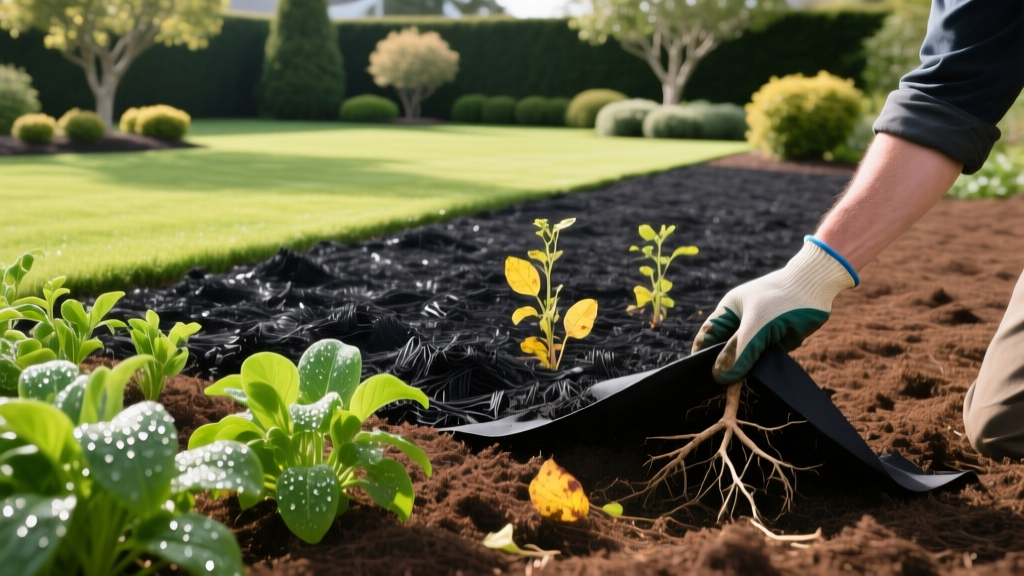
Black Mulch vs Brown Mulch: Diagnosing Plant Stress & Rescue Fixes
The Thermodynamics of Mulch: Why Color Dictates Plant Health
When evaluating declining garden beds, homeowners rarely suspect their mulch. However, the choice between black mulch vs brown mulch extends far beyond curb appeal; it fundamentally alters soil thermodynamics, microbial activity, and nutrient availability. As 2026 summer heat domes push regional temperatures to record highs, the thermal mass of dark-colored mulch is increasingly causing shallow root mortality in sensitive perennials and shrubs.
Thermal Absorption Delta: Under direct midday sun, black dyed mulch absorbs up to 90% of solar radiation, raising the top 2 inches of soil temperature by 10°F to 15°F compared to natural brown hardwood mulch. At 115°F, fine feeder roots of shade-loving plants begin to cook and die off.
Diagnosing mulch-induced stress requires looking past obvious pests and diseases. The symptoms of improper mulch selection manifest slowly, often mimicking drought stress, fungal blights, or nutrient deficiencies. Below is a clinical breakdown of the specific failure modes associated with black and brown mulches, alongside targeted rescue protocols.
Symptom Diagnosis: Is Your Black Mulch Cooking Your Roots?
Identifying Heat and Dye Stress
Black mulch is typically created by dyeing raw wood pallets with carbon black (derived from soot or tires) or iron oxide. While iron oxide is generally safe, cheap carbon black dyes can leach heavy metals and chemical salts into the soil profile during heavy spring rains.
- Heat Stress Symptoms: Marginal leaf necrosis (browning at the edges) appearing first on the sun-facing side of the plant. Wilting occurs even when soil moisture probes read 'wet', because the heat has destroyed the fine root hairs responsible for water uptake.
- Dye Toxicity Symptoms: Sudden stunting of new growth, accompanied by a metallic or chemical odor emanating from the mulch bed when wet. You may notice a dark, oily residue on the soil surface beneath the mulch layer.
Rescue Fix: Thermal Buffering and Leaching
If your plants are suffering from black mulch heat stress, do not remove the mulch entirely, as this will shock the exposed roots. Instead, rake the black mulch back 4 inches from the plant's root flare. Apply a 1-inch top-dressing of light-colored straw or untreated, natural brown arborist wood chips over the root zone to reflect solar radiation. For suspected dye toxicity, flood the bed with 2 inches of water over a 4-hour period to leach soluble salts below the root zone, then apply pelletized gypsum (calcium sulfate) at a rate of 40 lbs per 1,000 square feet to buffer the soil and displace sodium ions.
Symptom Diagnosis: Brown Mulch and the Nitrogen Robbery
Identifying Carbon-to-Nitrogen (C:N) Imbalance
Natural brown mulch—especially undyed, raw pine bark or chipped hardwood—is highly beneficial for soil structure but carries a massive Carbon-to-Nitrogen (C:N) ratio, often exceeding 400:1. As soil fungi and bacteria break down the high-carbon wood, they consume all available soil nitrogen to fuel their metabolism, effectively starving your plants.
According to research published by the University of Minnesota Extension, this nitrogen tie-up primarily occurs at the soil-mulch interface. If brown mulch is accidentally tilled into the soil, or if it degrades into fine particles that wash into the topsoil, the nitrogen robbery accelerates rapidly.
- Chlorosis Pattern: Unlike iron deficiency (which yellows new growth first), nitrogen tie-up from brown mulch causes uniform yellowing (chlorosis) of the oldest, lowest leaves first, as the plant cannibalizes its own tissue to support new growth.
- Stunted Architecture: Plants exhibit severely reduced internodal spacing, resulting in a compact, rigid appearance with abnormally small leaves.
Rescue Fix: Targeted Nitrogen Drenching
Do not mix granular fertilizer into the mulch layer; the carbon will intercept it. Instead, use a fast-acting liquid nitrogen source to bypass the microbial competition. Apply a foliar spray of Jack's Classic 20-20-20 at 1 tablespoon per gallon of water, coating the leaves until runoff. Simultaneously, use a soil drench of Espoma Organic Blood Meal (12-0-0) mixed at 2 cups per 5 gallons of water, pouring it directly into holes punched 6 inches deep around the plant's drip line. This delivers nitrogen directly to the active root zone, bypassing the nitrogen-hungry fungi at the surface.
Black Mulch vs Brown Mulch: The Rescue Decision Matrix
Use this diagnostic matrix to quickly identify the culprit and apply the correct intervention based on visual symptoms and soil conditions.
| Visual Symptom | Primary Culprit | Diagnostic Confirmation | Immediate Rescue Action |
|---|---|---|---|
| Wilting despite wet soil; scorched leaf margins | Black Mulch (Heat Stress) | Soil thermometer reads >105°F at 2-inch depth | Rake back 4 inches; top-dress with reflective straw |
| Older leaves turning uniformly yellow; stunted growth | Brown Mulch (Nitrogen Tie-up) | Soil test shows low nitrate levels; mulch is decomposing | Deep drench with liquid blood meal (12-0-0) |
| Oily residue on soil; chemical odor; sudden leaf drop | Black Mulch (Carbon Black Dye) | Water pooling on mulch turns dark grey/black | Heavy leaching; apply 40 lbs/1000 sq ft pelletized gypsum |
| White, crusty fungal mats; water repelling off soil | Brown Mulch (Hydrophobic Fungi) | Water beads on mulch surface instead of penetrating | Break up fungal mats; apply surfactant/wetting agent |
Step-by-Step Rescue Protocol for Hydrophobic Mulch Beds
A secondary issue with aged brown mulch is the development of hydrophobic fungi (like Fuligo septica or various slime molds) that create a waxy, water-repellent crust. When this happens, irrigation runs off the surface, leaving the underlying soil bone-dry. The University of Florida IFAS notes that this is highly common in humid climates where thick layers of brown wood chips compact over time.
- Fracture the Crust: Use a hand cultivator to aggressively scratch and break up the top 1 inch of the matted brown mulch. Do not turn it into the soil.
- Apply a Soil Surfactant: Mix a non-ionic soil wetting agent (such as AquaGro 2000 G or a diluted solution of unscented Castile soap at 2 tablespoons per gallon) and spray it evenly over the fractured mulch.
- Deep Core Hydration: Use a root feeder attachment on your garden hose to inject water directly into the mineral soil 6 inches below the mulch layer. Apply 1 inch of water equivalent (roughly 60 gallons per 100 square feet).
- Re-inoculate with Beneficials: Once moist, apply a mycorrhizal root dip or compost tea to outcompete the hydrophobic fungi with beneficial, water-absorbing microbial networks.
Warning on 'Mulch Volcanoes': Whether using black or brown mulch, piling it against the trunk of trees or the crown of perennials (volcano mulching) traps moisture against the bark, leading to Phytophthora root rot and inviting stem-boring insects. Always maintain a strict 3-inch 'donut' of bare soil around the base of woody plants.
Long-Term Soil Recovery and Mulch Selection
Once the immediate stress symptoms are stabilized, evaluate your long-term mulch strategy. For high-heat, full-sun vegetable gardens or drought-tolerant xeriscapes, natural brown arborist wood chips remain the superior choice, provided you supplement with 1 lb of actual nitrogen per 1,000 square feet every spring to offset microbial tie-up. For shaded, ornamental perennial beds where soil temperature moderation is critical, avoid dyed black mulch entirely. Opt instead for shredded, undyed hardwood or leaf mold, which provides the dark aesthetic without the thermal and chemical liabilities. As noted by Penn State Extension, proper mulch selection and maintenance are foundational to preventing abiotic plant disorders before they require aggressive rescue interventions.

