
Gardening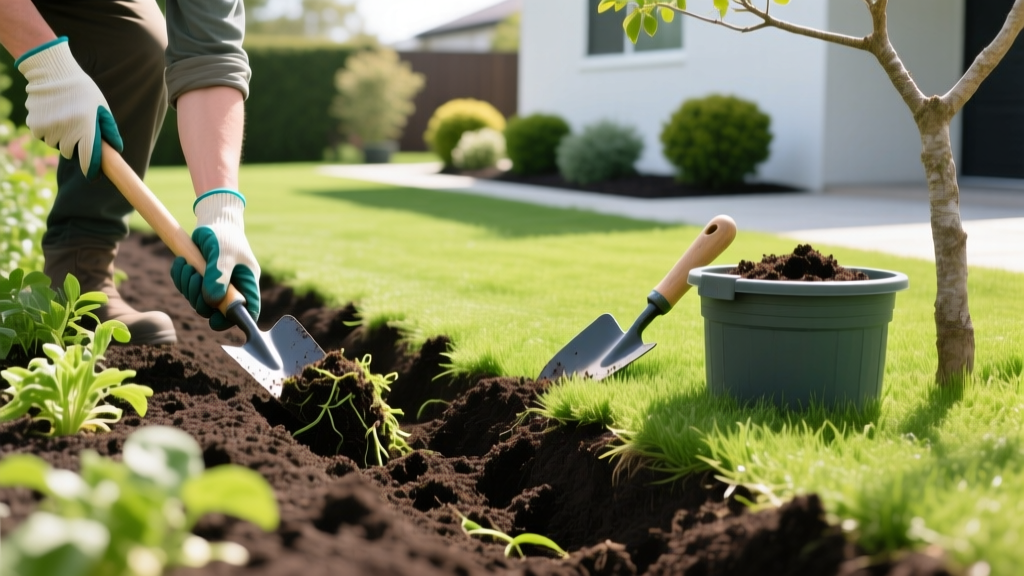
Bokashi Composting Soil Amendment Guide: Trenching & Soil Factories
The Chemistry of Fermented Soil Amendments
Unlike traditional aerobic composting, which relies on oxygen and heat to decompose organic matter, bokashi composting is an anaerobic fermentation process. By inoculating food scraps with Effective Microorganisms (EM-1)—a specific laboratory-cultivated blend of lactic acid bacteria (Lactobacillus plantarum), yeast (Saccharomyces cerevisiae), and phototrophic bacteria (Rhodopseudomonas palustris)—the waste is pickled rather than rotted. This distinction is critical for soil science. The resulting pre-compost drops to a highly acidic pH between 3.2 and 3.8, preserving the cellular structure of the organic matter and retaining nearly 100% of the original nitrogen, phosphorus, and potassium that typically off-gasses in hot compost piles.
"Anaerobic fermentation pathways preserve volatile nutrients that are otherwise lost to the atmosphere during thermophilic aerobic composting, making the end product a denser, more biologically active soil amendment." — Sustainable Agriculture Research and Education (SARE)
Because bokashi pre-compost is highly acidic and not fully decomposed, it cannot be applied directly to the soil surface or used as a top-dress mulch. It must be integrated into the soil matrix where native soil microbes and earthworms can safely buffer the acidity and complete the decomposition process. According to research on organic matter integration by the Rodale Institute, subsurface incorporation of fermented amendments accelerates humus formation while suppressing soil-borne pathogens through competitive exclusion.
Direct Trenching Protocol: The In-Ground Amendment Strategy
Direct trenching is the most efficient method for amending in-ground garden beds, particularly for heavy feeders like tomatoes, squash, and brassicas. This method utilizes the soil itself as the final decomposition vessel.
⚠️ Root Burn Warning: Never place raw bokashi pre-compost in direct contact with active plant roots. The low pH (3.5) and active fermentation acids will cause severe root burn and stunt plant growth. Always maintain a minimum 6-inch soil buffer between the pre-compost and the root zone.
- Dig the Trench: Excavate a trench 8 to 12 inches deep and 6 inches wide, positioned at least 6 inches away from the base of established plants or directly down the center of a future planting row.
- Deposit the Pre-Compost: Empty your fermented bokashi bucket directly into the trench. Aim for a layer 2 to 4 inches thick. Break up any large clumps with a hand fork to increase surface area for soil microbes.
- Add a Carbon Buffer (Optional but Recommended): Sprinkle a 1-inch layer of dry carbon material (shredded autumn leaves, untreated cardboard, or straw) over the pre-compost. This absorbs excess moisture and balances the carbon-to-nitrogen ratio.
- Backfill and Tamp: Cover the trench with the excavated native soil, ensuring at least 4 to 6 inches of clean soil sits above the pre-compost. Tamp down gently to eliminate large air pockets, which can attract digging rodents.
- Waiting Period: Allow 2 to 4 weeks for the pre-compost to break down and the soil pH to neutralize before planting seeds or transplants directly above the trench.
The Soil Factory Method: For Raised Beds and Containers
Gardeners utilizing raised beds, containers, or indoor grow tents cannot rely on deep trenching. The "Soil Factory" method transforms bokashi pre-compost into a neutral, nutrient-dense potting amendment using a controlled aerobic environment.
Standard Soil Factory Ratios
To build a batch, use a dedicated plastic tote or a sectioned corner of a raised bed. Mix 1 part bokashi pre-compost with 3 parts peat-free potting soil or finished aerobic compost. For every 5 gallons of total volume, add 1 quart of raw, uncharged biochar. The biochar acts as a pH buffer, absorbing the acidic leachate while its porous structure provides a permanent habitat for the introduced lactic acid bacteria.
Seal the tote with a lid (drilling a few 1/8-inch ventilation holes to allow minimal gas exchange) and store it in a shaded area where temperatures remain between 65°F and 85°F. After 3 to 4 weeks, the pre-compost will be entirely unrecognizable, fully integrated into a dark, crumbly, earthy-smelling amendment ready for immediate use in seed-starting mixes or container top-dressing.
| Symptom | Underlying Cause | Corrective Action |
|---|---|---|
| Foul, rotting garbage odor | Oxygen intrusion; anaerobic fermentation failed prior to mixing. | Add 2 cups of dry sawdust, mix thoroughly, and seal tighter. |
| Visible white, fuzzy mold | Beneficial actinomycetes and fungal hyphae breaking down lignins. | No action required. This indicates a highly active, healthy breakdown. |
| Black or green/blue mold | Pathogenic fungal takeover due to excess moisture and poor drainage. | Mix in dry peat or coir to drop moisture below 50%; discard if slimy. |
| Pre-compost visible after 4 weeks | Ambient temperatures too low (<55°F), stalling microbial metabolism. | Move tote to a warmer location or insulate with bubble wrap. |
Harnessing Bokashi Leachate for Liquid Amendment
As food scraps ferment, cellular walls rupture and release a nutrient-rich, microbe-dense liquid known as bokashi leachate or "bokashi tea." This liquid is highly concentrated and acidic (pH ~3.0). Draining it every 2 to 3 days is mandatory to prevent the solid pre-compost from rotting, but the leachate itself is a powerful liquid soil amendment when properly diluted.
- Soil Drench (1:100 Dilution): Mix 2.5 tablespoons of fresh leachate per 1 gallon of dechlorinated water. Apply directly to the soil base of established ornamentals and vegetables to inoculate the rhizosphere with beneficial microbes and provide a quick nitrogen boost.
- Foliar Spray (1:500 Dilution): Mix 1 teaspoon of leachate per 1 gallon of water. Spray on plant leaves in the early morning to introduce competitive microbes that outcompete powdery mildew and botrytis spores on leaf surfaces.
- Drain Maintenance (Undiluted): Pour undiluted leachate directly into household sink and shower drains. The aggressive lactic acid bacteria digest organic biofilms and grease buildup, eliminating drain odors without harsh chemical cleaners.
Advanced Amendment Stacking: Biochar Integration
For gardeners seeking maximum soil carbon sequestration and nutrient retention, stacking bokashi pre-compost with raw biochar creates a localized terra preta effect. Raw biochar is highly alkaline (pH 8.0 - 10.0) and possesses a massive internal surface area, but it is biologically sterile. Bokashi pre-compost is highly acidic and biologically explosive.
By layering 1 inch of raw biochar directly beneath a 3-inch layer of bokashi pre-compost in a trench, the biochar immediately absorbs the acidic leachate, neutralizing the pH while simultaneously "charging" its microscopic pores with lactic acid bacteria and dissolved nutrients. According to baseline soil carbon studies referenced by the EPA's composting and organic waste guidelines, combining stable carbon structures with active biological amendments significantly increases the soil's cation exchange capacity (CEC), allowing sandy soils to retain moisture and clay soils to improve drainage over a multi-year timeline.
Sourcing and Cost Analysis
Purchasing commercial bokashi bran can become expensive for high-volume gardeners. Understanding the cost-per-pound helps in deciding whether to buy or brew.
- SCD Probiotics Organic Bokashi Bran: The industry standard, utilizing certified organic wheat bran and OMRI-listed EM-1. Priced around $18.00 for a 2 lb bag ($9.00/lb). Ideal for beginners or low-volume apartment composters.
- Bokashi Living All-Purpose Bran: A slightly more economical option, often found at $25.00 for a 5 lb bag ($5.00/lb). Excellent for standard suburban kitchen scrap volumes.
- DIY Bran Formulation (High-Volume): For serious soil amendment production, making your own bran drops the cost to approximately $1.20/lb. Mix 10 lbs of wheat bran or rice bran with 1/2 cup of EM-1 mother culture (approx. $15 for a 32oz bottle that lasts all season), 1/2 cup unsulfured blackstrap molasses, and 1.5 cups of water. Ferment in a sealed heavy-duty contractor bag for 14 days, then air-dry to below 10% moisture for long-term storage.
Frequently Asked Questions
Can I add meat, dairy, and citrus to a bokashi bin for soil amendment?
Yes. Unlike aerobic worm bins or traditional compost piles, the low pH environment of a bokashi bucket safely ferments meat, bones, dairy, and highly acidic citrus peels. However, large bones will not break down fully during the 4-week soil factory phase and should be screened out before applying the finished amendment to garden beds.
Why is my bokashi pre-compost attracting rodents when trenched?
Rodent intrusion almost always indicates the trench was too shallow or the pre-compost was not fully fermented. Ensure your trench is a minimum of 8 inches deep, covered by at least 4 inches of tightly packed native soil, and that the pre-compost smells sharply of pickles or cider, not rotting meat. If it smells foul, the anaerobic seal in the bucket failed, and it should be deep-buried (18+ inches) away from active garden beds.
Does bokashi composting kill weed seeds and plant pathogens?
No. Because bokashi relies on mesophilic (ambient temperature) fermentation rather than thermophilic (hot) composting, it does not generate the 140°F+ heat required to destroy viable weed seeds or soil-borne fungal pathogens like fusarium wilt. Avoid adding invasive weed seed heads or diseased plant material to your bokashi bin if you plan to use the finished amendment in clean garden beds.

