
Gardening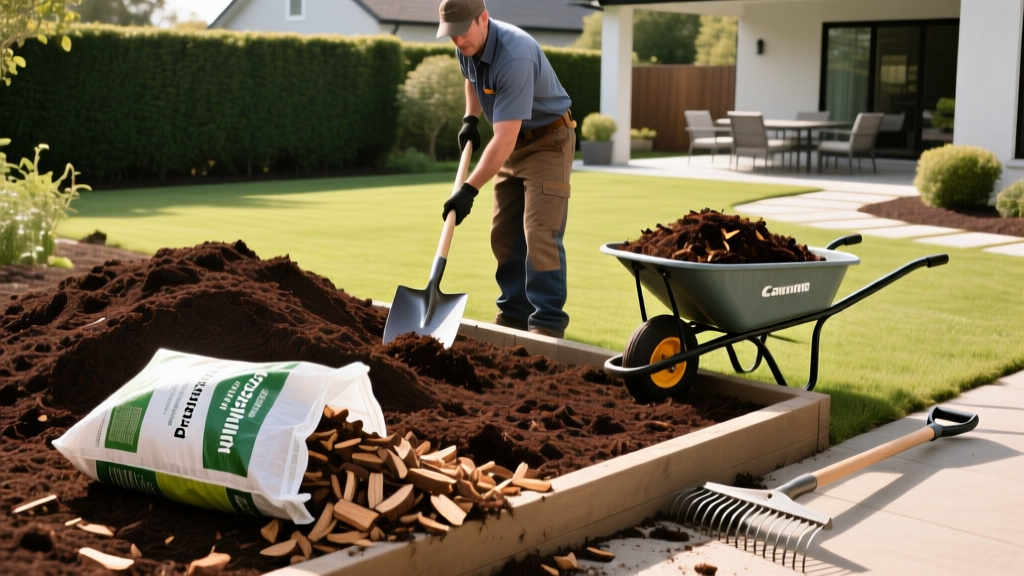
The Complete Guide to Ordering and Spreading 5 Yards of Mulch
The Bulk Threshold: Why 5 Yards is the Magic Number
For homeowners managing medium-to-large garden beds, purchasing mulch in plastic bags quickly becomes a financial and physical liability. The transition point where bulk delivery becomes strictly superior to bagged mulch is exactly at the 5 yards of mulch mark. At this volume, you are crossing the 'bulk threshold'—the minimum quantity most local landscape supply yards require for a standard dump truck delivery, and the exact volume where the cost-per-cubic-foot of bagged mulch becomes indefensible.
Quick Volume Specs: 5 Cubic Yards
- Total Volume: 135 cubic feet (equivalent to 67.5 standard 2-cu-ft bags)
- Estimated Weight: 2,000 to 2,500 lbs (depending on moisture content and wood type)
- Physical Footprint: A pile roughly 6 feet wide, 8 feet long, and 3.5 feet high when dumped
Ordering 5 yards of mulch requires precise logistical planning, accurate depth calculations, and a strategic spreading approach to prevent soil suffocation and nitrogen tie-up. This guide breaks down the exact mathematics, 2026 pricing realities, and professional spreading techniques required to execute a 5-yard mulch application flawlessly.
The Math: Coverage and Depth Calculations
The most common mistake homeowners make when ordering bulk mulch is miscalculating the square footage based on desired depth. Mulch settles by approximately 15% to 20% within the first three months due to decomposition and rain compaction. Therefore, your initial application must account for this settling factor.
| Target Depth | Coverage Area (5 Yards) | Best Use Case | Settled Depth (After 90 Days) |
|---|---|---|---|
| 2 Inches | 810 sq. ft. | Annual vegetable beds, light weed suppression | ~1.6 Inches |
| 3 Inches | 540 sq. ft. | Standard perennial borders, shrub beds | ~2.4 Inches |
| 4 Inches | 405 sq. ft. | Heavy weed areas, pathways, tree rings | ~3.2 Inches |
According to horticultural guidelines from the University of Minnesota Extension, maintaining a 3-inch layer is the optimal standard for moisture retention and temperature regulation around woody shrubs and trees. Applying more than 4 inches of hardwood mulch can create an anaerobic environment, leading to toxic sour mulch syndrome and root rot.
Bagged vs. Bulk: The True 2026 Cost Breakdown
When evaluating the economics of 5 yards of mulch, the sticker price of the material is only half the equation. You must factor in delivery fees, vehicle wear-and-tear, and the hidden cost of plastic waste disposal.
Bulk Delivery (5 Yards)
- Material: $175 - $275 ($35-$55/yard)
- Delivery Fee: $75 - $125
- Total Cost: $250 - $400
- Plastic Waste: Zero
- Physical Labor: Wheelbarrowing from driveway
Bagged Purchase (68 Bags)
- Material: $340 - $476 ($5-$7/bag)
- Transport: Requires 2-3 truck trips or trailer
- Total Cost: $340 - $550+ (with fuel)
- Plastic Waste: 68 heavy-duty bags
- Physical Labor: Lifting 40lbs 68 times + slicing bags
As of 2026, bulk pricing for triple-shredded hardwood bark remains highly competitive. However, be wary of 'free delivery' promotions from big-box stores; these often utilize lower-quality, dyed mulches that can leach heavy metals into your soil food web over time. Always source from local landscape supply yards that process raw, aged hardwood.
Delivery Logistics: Surviving the Dump Truck
A fully loaded single-axle dump truck carrying 5 yards of mulch weighs approximately 22,000 pounds. This immense weight introduces specific property risks that homeowners must mitigate before the truck arrives.
⚠️ Critical Delivery Warnings
- Driveway Integrity: If you have an asphalt driveway that was poured less than 12 months ago, or a concrete driveway with existing structural cracks, do not allow the truck to drive on it. The point-load of the rear tandem axles will crush compromised substrates.
- Overhead Clearance: Dump beds extend up to 14 feet in the air when fully raised. Identify and avoid low-hanging utility lines, tree canopies, and roof overhangs.
- The 'Dump Board' Trick: If the truck must dump on a pristine lawn or paver driveway, lay down a 4x8 sheet of 3/4-inch plywood to distribute the impact weight and prevent the mulch pile from staining the surface.
Step-by-Step Spreading Strategy
Spreading 2,500 pounds of material requires biomechanical efficiency. Abandon the standard garden shovel; it is designed for digging, not lateral material distribution.
1. Tool Selection
Use a 5-tine steel bow rake (such as the True Temper 5-Tine model) for the primary spreading action. The tines slice through matted mulch clumps, while the flat back edge is used for final leveling. Pair this with a contractor-grade 6-cubic-foot wheelbarrow with pneumatic tires to navigate uneven garden terrain without sinking.
2. The 'Pile and Pivot' Distribution
Never attempt to move the entire 5-yard pile from the driveway to the beds at once. Instead, use the 'Pile and Pivot' method:
- Load the wheelbarrow to 80% capacity (overfilling causes spillage and lower back torque).
- Transport the load to the center of the target garden bed.
- Dump the mulch in a centralized micro-pile within the bed.
- Immediately rake the micro-pile outward toward the edges before returning to the driveway.
3. Edge Trenching and Volcano Prevention
Before spreading, use a half-moon edger to cut a 2-inch deep trench along the perimeter of the bed. This creates a physical barrier that keeps the mulch from spilling onto the turf. When spreading around trees, maintain a strict 3-inch 'donut hole' of bare soil directly around the trunk flare. Piling mulch against the bark (volcano mulching) invites fungal cankers and girdling roots, a primary cause of urban tree decline noted by the Old Farmer's Almanac and arborists nationwide.
Soil Amendment Synergy: What Goes Under the Mulch
Mulch is a top dressing, not a soil amendment. If your garden beds suffer from compacted clay or nutrient depletion, applying 5 yards of mulch directly over poor soil will only mask the problem.
Before the mulch arrives, apply a 1/2-inch layer of screened, finished compost over the entire bed area. This creates a biological bridge. As the hardwood mulch slowly decomposes from the bottom up, it will draw nitrogen from the soil surface (nitrogen tie-up). The underlying compost layer provides an immediate, accessible nutrient buffer for your plant roots, completely neutralizing the nitrogen-draw effect of the fresh woodchips. Water the compost layer deeply before spreading the mulch to lock the amendments into the soil profile.
Frequently Asked Questions
Will 5 yards of mulch fit in a standard pickup truck?
No. A standard half-ton pickup truck (like a Ford F-150 or Chevy Silverado 1500) has a maximum safe payload capacity of roughly 1,500 to 2,000 pounds. Five yards of moist hardwood mulch weighs up to 2,500 pounds, which will overload the suspension, void your warranty, and create a severe braking hazard. Always opt for delivery or use a heavy-duty 3/4-ton truck if self-hauling.
How long can the mulch pile sit on my driveway?
Hardwood mulch will begin to stain concrete and asphalt within 48 to 72 hours due to tannin leaching, especially if it rains. Furthermore, the bottom layer of the pile will begin to undergo anaerobic decomposition within a week, producing acetic acid that smells like vinegar and can burn plant foliage. Plan to spread your 5 yards within 3 days of delivery.

