
Gardening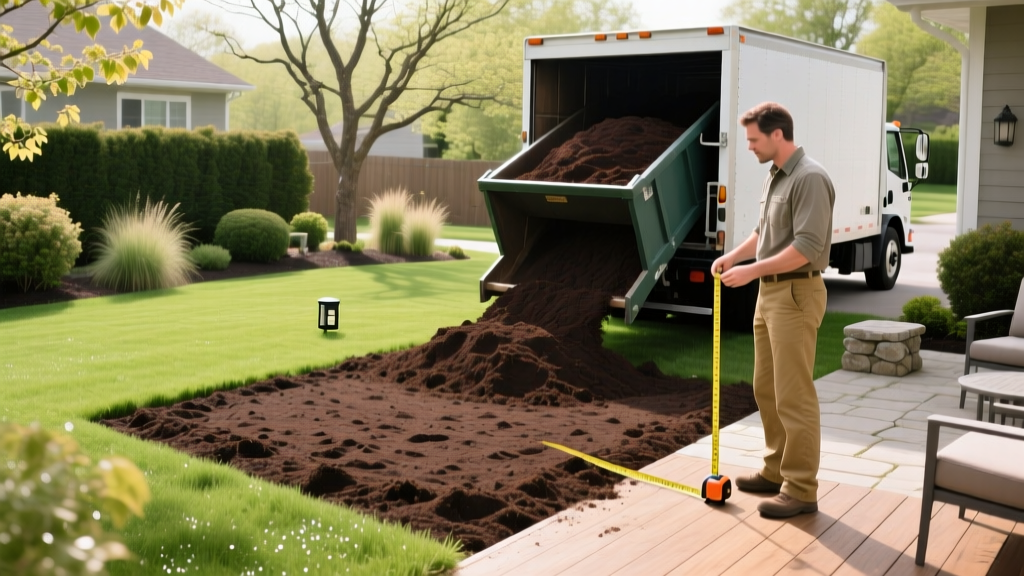
Bulk Mulch Delivery Cost & Coverage Guide for 2026
The True Economics of Bulk Mulch Delivery in 2026
Ordering bulk mulch is the most cost-effective way to refresh large landscape beds, but the final invoice often surprises homeowners who only calculate the base price per cubic yard. The total mulch delivery cost in 2026 is a composite of material pricing, volumetric calculations, freight logistics, and site-specific drop fees. Understanding these variables prevents budget overruns and ensures you order the exact dosage required for your soil ecology.
Unlike bagged mulch, which is priced at a premium for packaging and retail convenience, bulk mulch is sold by the cubic yard (27 cubic feet). However, the logistics of moving heavy, water-dense organic matter from a landscape supply yard to your driveway introduces variable freight charges. Below is the current 2026 pricing landscape for standard bulk materials.
2026 Bulk Mulch Material Pricing (Per Cubic Yard)
| Mulch Type | Average Cost / yd³ | Best Application | Longevity |
|---|---|---|---|
| Double-Shredded Hardwood | $38 - $48 | General garden beds, shrub borders | 1 - 2 Years |
| Pine Bark (Mini/Nugget) | $45 - $58 | Acid-loving plants, azaleas, rhododendrons | 2 - 3 Years |
| Cedar (Natural) | $60 - $75 | Insect-prone areas, pathways, play areas | 3 - 4 Years |
| Color-Enhanced (Black/Brown) | $42 - $55 | High-visibility commercial or curb appeal | 1 - 2 Years (Color fades) |
| Engineered Wood Fiber (EWF) | $25 - $35 | Playgrounds, high-traffic pathways | 2 - 3 Years |
Calculating Exact Coverage and Dosage
The most common error in bulk ordering is miscalculating the cubic yardage needed for a specific depth. One cubic yard of mulch covers exactly 108 square feet at a 3-inch depth. However, you must account for the settling factor. Freshly delivered mulch is highly aerated; after exposure to rain and gravity, it compresses by 10% to 15%.
⚠️ The Settling Factor Rule: Always calculate your order based on a 100-square-foot coverage per cubic yard at a 3-inch depth. This 8% buffer compensates for material settling and minor topographical variations in your beds.
Dosage Guidelines by Plant Type
Applying the correct dosage is critical for soil respiration and plant health. Over-mulching suffocates root systems and promotes fungal pathogens. According to the University of Minnesota Extension, proper mulching depth varies significantly by plant category:
- Trees and Large Shrubs: 3 to 4 inches deep. Maintain a strict 3-inch bare-soil buffer around the trunk base to prevent "volcano mulching," which causes trunk rot and invites rodent damage.
- Perennial Flower Beds: 2 inches deep. Finer mulches like composted leaf mold or shredded hardwood are ideal to allow delicate perennial shoots to penetrate in spring.
- Vegetable Gardens: 1 to 2 inches of biodegradable mulch (straw, pine needles, or grass clippings) that can be tilled into the soil at the end of the season.
- Playgrounds (EWF): 9 to 12 inches uncompacted depth to meet ASTM F1292 fall-height safety standards.
Deconstructing the Delivery Fee Structure
The base mulch delivery cost is rarely just a flat rate. Landscape supply yards utilize a tiered freight model based on distance, truck capacity, and site accessibility. A standard single-axle dump truck carries 5 to 8 cubic yards, while a tandem-axle truck carries 12 to 15 cubic yards.
Hidden Delivery Fees to Anticipate
When requesting a quote, explicitly ask the dispatcher about the following surcharges that frequently inflate the final invoice:
- Fuel Surcharges: Typically 5% to 12% of the delivery fee, fluctuating with regional diesel indices.
- Tarping Fees: $15 to $25. Required in many municipalities to prevent organic debris from blowing onto roadways during transit.
- Driveway Protection Boards: $25 to $50. If you require the driver to lay down plywood or track mats to prevent concrete cracking or asphalt scarring, this is billed as an extra labor/material fee.
- Short-Load Penalties: If your order is below the company's minimum threshold (usually 3 to 5 cubic yards), a $40 to $75 short-load fee is applied to cover the fixed costs of dispatching a heavy-duty truck.
💡 Pro Tip for Drop Zones: Dump trucks require significant overhead clearance and a sturdy surface. A fully loaded tandem-axle truck can weigh over 50,000 pounds. Never schedule a drop on newly poured concrete (under 28 days cured), interlocking pavers, or steeply graded driveways without consulting the dispatch office first.
Bagged vs. Bulk: The Break-Even Analysis
Deciding between palletized bagged mulch from a big-box store and bulk delivery hinges on your total volume requirement and the value of your physical labor. Bagged mulch is typically sold in 2-cubic-foot or 3-cubic-foot volumes. In 2026, premium bagged hardwood averages $6.50 to $8.00 per 2-cubic-foot bag.
The Break-Even Matrix
| Project Size (yd³) | Bagged Cost (Approx.) | Bulk + Delivery Cost | Verdict |
|---|---|---|---|
| 1 - 2 yd³ | $95 - $216 | $103 - $210 (incl. short-load fee) | Bagged. Avoids delivery minimums and driveway dumping logistics. |
| 3 - 5 yd³ | $285 - $600 | $179 - $345 (incl. standard delivery) | Bulk. Significant savings; one wheelbarrow session. |
| 6 - 10 yd³ | $570 - $1,200 | $288 - $570 (incl. standard delivery) | Bulk. Bagged is financially illogical and physically exhausting. |
| 11+ yd³ | $1,265+ | $450 - $750 (tandem truck delivery) | Bulk. Mandatory for large estates or commercial properties. |
As noted by the University of Wisconsin-Madison Extension, bulk mulch from local suppliers is also generally fresher and retains more beneficial microbial activity compared to bagged mulch, which can sit on retail pallets for months, developing anaerobic conditions and sour odors.
Execution: Preparing for the Drop
A successful delivery requires precise site preparation. The driver will not spread the mulch for you; they will only dump it in a single, centralized pile.
- Mark the Drop Zone: Use landscaping paint or high-visibility cones to mark the exact center of your desired pile. Ensure it is at least 15 feet away from overhead power lines and tree canopies.
- Lay the Tarp: If the supplier does not provide a heavy-duty drop tarp, purchase a 10x12 foot woven poly tarp. Dumping directly onto bare soil makes shoveling the bottom layer difficult and wastes material.
- Clear the Path: Remove all vehicles, trash bins, and basketball hoops from the driveway. The truck needs a straight, unobstructed path to safely raise the hydraulic bed.
Frequently Asked Questions
Can a dump truck deliver mulch over a fence or into a backyard?
Standard dump trucks cannot reach over fences. The bed elevates vertically, requiring 20 to 25 feet of overhead clearance. If you need mulch in a fenced backyard, you must either wheelbarrow it from the driveway or hire a specialized "blower truck" service, which uses a pneumatic hose to shoot mulch over obstacles (adding $300 to $600 to the project cost).
Does bulk mulch delivery cost more in the spring?
The base material cost remains relatively stable, but delivery scheduling becomes highly constrained between April and June. Some suppliers implement "peak season" delivery surcharges or extend lead times to 7-10 days. Ordering in late February or early March often secures standard delivery rates and guaranteed next-day drop windows.
How long can bulk mulch sit in a pile before spreading?
Hardwood and bark mulches should be spread within 7 to 14 days of delivery. If left in a large, compacted pile for over a month, the center of the pile becomes anaerobic, producing acetic acid and hydrogen sulfide (a rotten egg smell). This "sour mulch" can burn plant foliage and drop soil pH to toxic levels. If you must delay spreading, pull the pile apart into smaller, aerated windrows.

