
Gardening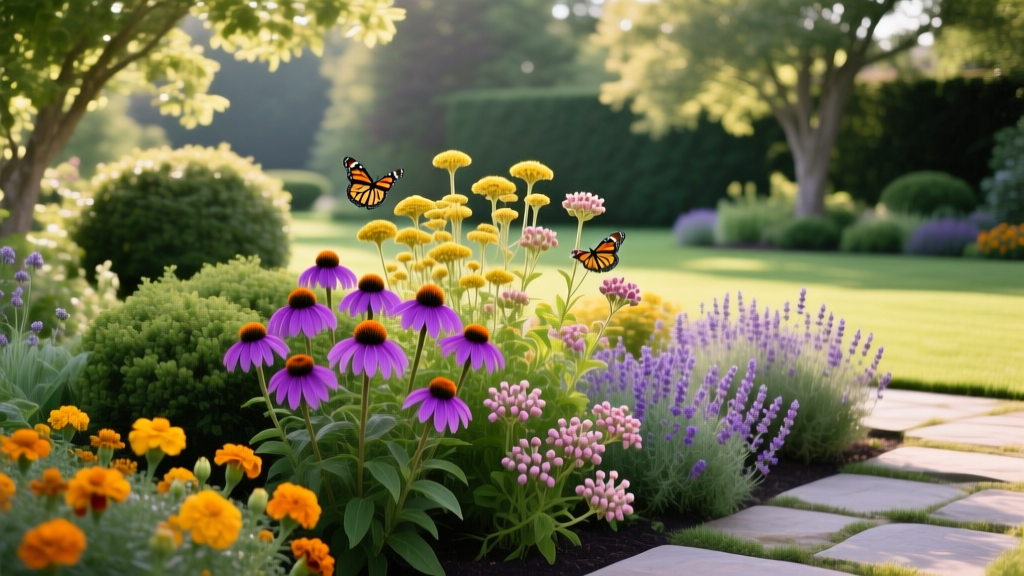
Strategic Planting: Flowers That Attract Butterflies and Repel Yard Pests
Designing a pollinator-friendly landscape often creates an unintended vulnerability: the same lush, undisturbed garden beds that nourish butterflies also provide ideal foraging and nesting habitats for destructive rodents and predatory insects. Achieving a balanced ecosystem requires moving beyond simple plant selection and adopting a dual-purpose companion planting strategy. By selecting specific flowers that attract butterflies while simultaneously deploying botanical and physical deterrents against pests, homeowners can protect their root systems and foliage without resorting to broad-spectrum chemicals.
The Dual-Purpose Pollinator Strategy
Traditional pest control relies on reactive chemical applications, which directly contradict the goal of supporting Lepidoptera populations. The Xerces Society for Invertebrate Conservation emphasizes that even organic pesticides like spinosad or neem oil can be fatal to butterfly caterpillars if applied indiscriminately. The alternative is ecological engineering: utilizing plants with high nectar value for adult butterflies alongside strong volatile organic compounds (VOCs) or physical root structures that repel voles, mice, and soil-dwelling nematodes.
This strategy operates on three levels: aerial deterrence (masking the scent of vulnerable plants), subterranean defense (protecting root zones from burrowing rodents), and biological control (attracting predatory wasps that manage aphid populations).
Top Flowers That Attract Butterflies and Deter Pests
Not all nectar-rich plants offer defensive properties. The following cultivars have been selected for their high butterfly visitation rates and documented pest-repellent characteristics.
1. Lavender (Lavandula angustifolia 'Munstead')
Butterfly Value: Highly attractive to swallowtails and painted ladies due to its extended summer bloom time and high sucrose nectar concentration.
Pest Defense: The high camphor and linalool content in the foliage acts as a powerful olfactory deterrent to mice, fleas, and moths.
Planting Specifics: Space plants 18 to 24 inches apart in well-draining soil with a pH between 6.5 and 7.5. Avoid heavy clay, which leads to root rot. Mature plugs typically cost $6 to $9 each at specialty nurseries.
2. Giant Allium (Allium giganteum 'Globemaster')
Butterfly Value: The large, spherical umbels provide excellent landing pads and nectar for monarchs and fritillaries.
Pest Defense: Alliums contain concentrated sulfur compounds (allicin) that make them highly unpalatable to voles, gophers, and deer. When planted densely, they create a subterranean chemical barrier.
Planting Specifics: Plant bulbs 8 inches deep and 12 inches apart in the fall. Bulbs cost $1.50 to $3.00 each. The 8-inch depth is critical, as it places the bulb below the primary 2-to-4-inch foraging tunnel depth of most meadow vole species.
3. French Marigold (Tagetes patula)
Butterfly Value: Single-bloom varieties provide accessible nectar for smaller species like skippers and metalmarks.
Pest Defense: The roots exude alpha-terthienyl, a compound that suppresses root-knot nematodes in the soil. The strong scent of the foliage also deters whiteflies and Japanese beetles.
Planting Specifics: Sow seeds directly outdoors after the last frost, or transplant 4-inch pots ($3 to $5 each) at 8-inch intervals. Pinch back early blooms to encourage bushier growth and higher root exudation.
4. Yarrow (Achillea millefolium 'Moonshine')
Butterfly Value: Flat-topped corymbs serve as vital landing platforms for a wide variety of nectar-feeding insects.
Pest Defense: Yarrow's fern-like foliage contains achilleine and alkaloids that deter grazing by rabbits and browsing by certain leaf-eating beetles.
Planting Specifics: Requires full sun and minimal water once established. Divide rhizomes every three years to prevent center die-out. Expect to pay $8 to $12 per 1-gallon container.
| Plant Cultivar | Primary Butterfly Targets | Repelled Pests | Root Depth / Spacing |
|---|---|---|---|
| Lavandula 'Munstead' | Swallowtails, Painted Ladies | Mice, Fleas, Moths | 12" deep / 18-24" apart |
| Allium 'Globemaster' | Monarchs, Fritillaries | Voles, Gophers, Deer | 8" deep / 12" apart |
| Tagetes patula | Skippers, Metalmarks | Nematodes, Whiteflies | 6" deep / 8" apart |
| Achillea 'Moonshine' | Generalist Nectar Feeders | Rabbits, Japanese Beetles | 18" deep / 24" apart |
Rodent Defense: Subterranean Tactics for Pollinator Beds
While Alliums and Lavender provide chemical deterrence, determined vole populations (particularly Microtus pennsylvanicus>) require physical subterranean barriers to protect the tender roots of companion plants like milkweed and butterfly bush.
Warning: Never use standard chicken wire for vole exclusion. The 1-inch hexagonal gaps are large enough for adult meadow voles to pass through. You must use 1/4-inch galvanized hardware cloth.
To protect a dedicated pollinator raised bed, line the interior walls and floor with 1/4-inch hardware cloth before adding soil. Bury the edges at least 12 inches into the surrounding native soil and extend the mesh 6 inches above the bed rim to prevent climbing. A 10-foot roll of 1/4-inch hardware cloth costs between $15 and $20. For in-ground beds, mix 3/8-inch crushed chip rock (gravel) into the top 2 inches of mulch around vulnerable plants. Voles avoid tunneling through sharp, angular aggregate because it damages their sensitive snouts and lacks the structural integrity of loose topsoil.
Insect Defense: Managing Aphids Without Harming Lepidoptera
Aphids are notoriously drawn to the high-nitrogen new growth of butterfly favorites like Asclepias tuberosa (Butterfly Weed) and Echinacea purpurea. The standard homeowner response—spraying neem oil or insecticidal soap—will kill butterfly eggs and early-instar caterpillars on contact.
Instead, deploy targeted biological controls. Release Hippodamia convergens (convergent lady beetles) at a rate of 1,500 insects per 1,500 square feet. A live shipment of 1,500 ladybugs costs approximately $15 to $25 from commercial insectaries. Release them at dusk after lightly misting the foliage with water; the moisture encourages them to stay and feed rather than immediately flying away. For severe, localized aphid colonies on milkweed, use a high-pressure stream of water from a hose nozzle to physically dislodge the aphids without leaving any chemical residue that could harm monarch caterpillars.
Step-by-Step Garden Layout for Perimeter Defense
Strategic placement is just as critical as plant selection. The Penn State Center for Pollinator Research recommends zoning gardens to maximize both ecological benefits and structural defense. Follow this layout protocol for a 10x10 foot pollinator bed:
- The Perimeter Shield (Outer 18 inches): Plant a dense border of Lavandula 'Munstead' and Allium 'Globemaster'. This creates a highly aromatic, sulfur-rich wall that masks the scent of the inner garden from foraging rodents and deters entry.
- The Trap Crop Zone (Next 24 inches): Plant French Marigolds and Nasturtiums. These act as sacrificial trap crops, drawing aphids and whiteflies away from your primary nectar sources while their roots suppress soil nematodes.
- The Core Nectar Habitat (Center 5x5 feet): Plant your primary butterfly host and nectar plants here, such as Milkweed, Joe-Pye Weed, and Butterfly Bush. Because the outer zones have filtered out major pests, these vulnerable plants can thrive without chemical intervention.
- The Ground Cover Layer: Apply a 2-inch layer of sharp, angular gravel or coarse bark mulch over the entire bed. Avoid fine, shredded hardwood mulch, which retains too much moisture and provides ideal tunneling material for voles.
According to the USDA Plants Database, matching plant hardiness zones to specific native cultivars ensures deeper root establishment, which naturally increases a plant's resilience to both drought stress and minor rodent herbivory.
By integrating these specific flowers that attract butterflies with rigorous physical and biological pest defense mechanisms, you create a self-regulating landscape. This approach eliminates the need for disruptive pesticides, ensuring your yard remains a vibrant sanctuary for pollinators while remaining fundamentally hostile to destructive pests.

