
Gardening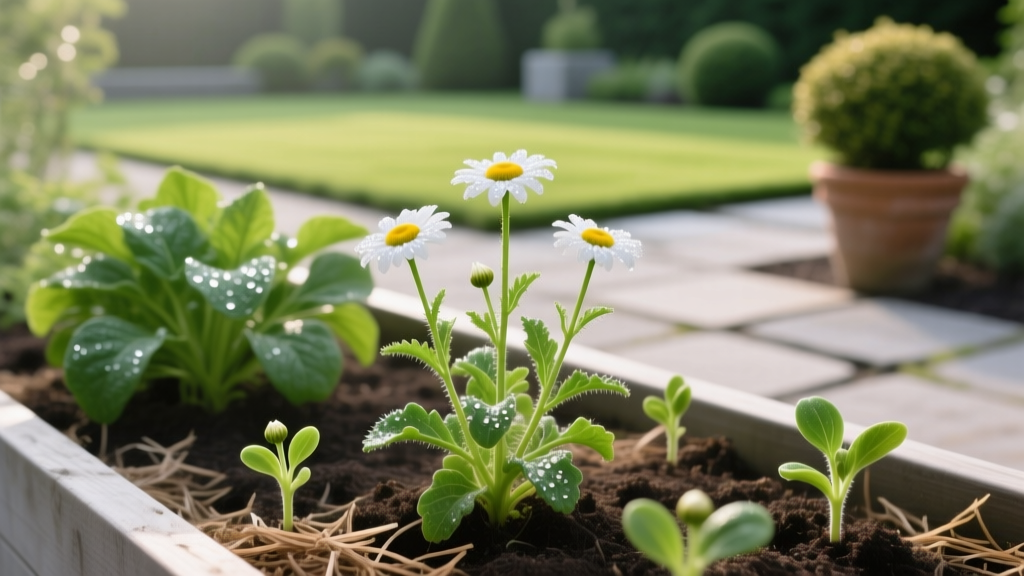
How to Grow the Chamber Bitter Plant: Establishment Guide
The Botanical Reality: Herb vs. Weed
The chamber bitter plant (Phyllanthus urinaria), frequently referred to as stonebreaker or seed-under-leaf, occupies a unique space in horticulture. While lawn care professionals often classify it as a stubborn broadleaf weed, herbalists and ethnobotanists highly prize it for its potent phytochemical profile, particularly its use in supporting liver and urinary tract health. Establishing this plant intentionally requires a fundamental shift in mindset: you are not just growing an herb; you are managing an aggressive, prolific self-seeder.
Native to tropical and subtropical regions, the chamber bitter plant thrives in disturbed soils and can produce thousands of seeds per specimen. According to botanical data from the Plants for a Future database, it is an annual or short-lived perennial that demands strict containment protocols in a managed garden setting. This guide details the exact metrics for germination, soil preparation, and physical containment to successfully establish this plant without allowing it to colonize your entire landscape.
⚠️ Containment Warning: Never plant Phyllanthus urinaria directly into open, unmulched garden beds or near lawn borders. The seed capsules, which form directly beneath the leaflets, dehisce (split open) explosively when mature, scattering seeds up to three feet from the parent plant. Always use physical barriers or container cultivation.
Seed Stratification and Germination Protocol
Chamber bitter plant seeds are exceptionally small and possess specific photoblastic requirements—they need light to trigger germination. Burying them is the most common failure point for novice growers.
Step-by-Step Sowing Metrics
- Medium Preparation: Use a sterile, peat-based seed starting mix with a pH between 6.0 and 6.5. Pre-moisten the medium until it holds together when squeezed but drips no excess water.
- Surface Sowing: Scatter the seeds directly on the surface of the cells. Do not cover them with soil. If you must secure them, dust the surface with a microscopic layer of fine vermiculite (no more than 1/16 inch thick).
- Temperature Control: Maintain a constant ambient temperature of 75°F to 82°F (24°C - 28°C). Use a seedling heat mat if your greenhouse or indoor space falls below 70°F at night.
- Light Requirements: Provide 14 to 16 hours of light daily using full-spectrum LED grow lights positioned 4 to 6 inches above the tray. Direct sunlight can dry the surface too quickly before germination occurs.
- Moisture Management: Cover the tray with a clear humidity dome. Mist the surface daily with a fine-spray bottle to prevent the tiny seeds from washing away or drying out.
Under these exact conditions, germination typically occurs within 7 to 14 days. Once cotyledons emerge, remove the humidity dome immediately to prevent damping-off disease (Pythium spp.).
Containment Strategies: In-Ground vs. Container
Because of its invasive potential, choosing the right cultivation vessel is critical. Data from iNaturalist observational records shows that Phyllanthus urinaria readily escapes cultivation in USDA Hardiness Zones 8 through 11. Container growing is the recommended standard for home herbalists.
| Cultivation Method | Pros | Cons & Risks | Recommended Specifications |
|---|---|---|---|
| Container (Fabric Pots) | 100% seed containment; air-prunes taproot; portable. | Requires daily watering in peak summer; nutrient leaching. | 3-gallon to 5-gallon black fabric grow bags. Minimum 12-inch depth. |
| Container (Rigid Plastic) | Retains moisture longer; durable. | Roots can circle and girdle; heavier to move. | Standard 10-inch nursery pots with excellent bottom drainage. |
| In-Ground (Raised Bed) | Less frequent watering; larger overall plant yield. | High risk of seed escape; difficult to eradicate roots. | Must use a dedicated, isolated bed lined with 30-mil weed barrier. |
Soil Preparation and Nutrient Metrics
A common misconception is that medicinal herbs require rich, heavily amended soil. The chamber bitter plant actually exhibits peak phytochemical production when subjected to mild environmental stress. Over-fertilizing results in excessive vegetative growth at the expense of the active compounds (such as phyllanthin and hypophyllanthin) concentrated in the leaves and stems.
The Low-Fertility Advantage
For container establishment, mix 60% standard potting soil, 20% coarse horticultural sand, and 20% perlite. This ensures a fast-draining profile. Phyllanthus urinaria is highly susceptible to root rot in waterlogged conditions.
- Target pH: 6.0 to 6.8. If your water source is highly alkaline, amend the soil with 1 tablespoon of elemental sulfur per gallon of soil volume.
- Fertilization: Apply a diluted, balanced liquid fertilizer (e.g., 5-5-5 NPK) at quarter-strength only once every three weeks. Avoid high-nitrogen formulations (like 20-10-10), which will cause the stems to become leggy and weak, making the plant prone to lodging (falling over) under its own weight.
Transplanting and Spacing Metrics
Once seedlings have developed two sets of true leaves (approximately 21 to 28 days post-germination), they are ready for transplanting. Handle the seedlings by their cotyledons, never by the fragile stems.
If planting multiple specimens in a large container or an isolated raised bed, space the plants exactly 8 to 10 inches apart. This specific spacing allows for adequate airflow through the lower canopy, which is critical because the dense, fern-like foliage of the chamber bitter plant can trap humidity and invite powdery mildew (Erysiphe spp.) if planted too closely.
Harvesting: Beating the Seed Shatter Window
The establishment phase culminates in the harvest. Timing is the most critical variable. You must harvest the plant for herbal drying before the seed capsules mature and shatter. Once the tiny capsules beneath the leaves turn from pale green to a reddish-brown and begin to show microscopic split lines, the seed shatter window has opened.
Harvest Checklist:
- Harvest at 45 to 60 days post-germination, during the early flowering stage.
- Cut the plant at the soil line in the early morning after the dew has dried but before the midday heat.
- Rinse the foliage gently to remove dust, then hang the entire plant upside down in a well-ventilated, dark room with ambient temperatures between 85°F and 95°F for 7 to 10 days.
- Dispose of the root mass and any dropped soil in the municipal green waste bin, not your home compost pile, to prevent dormant seeds from surviving the composting process.
Troubleshooting Common Establishment Failures
Even with precise protocols, growers may encounter specific physiological or environmental issues. Use the matrix below to diagnose and correct problems during the establishment phase.
| Symptom | Probable Cause | Corrective Action |
|---|---|---|
| Seeds fail to germinate after 21 days. | Seeds were buried too deep; lack of light exposure. | Re-sow on the surface. Ensure grow lights are within 6 inches of the tray. |
| Seedlings collapse at the soil line (wire-stem). | Damping-off fungus due to excess moisture and poor airflow. | Remove humidity dome immediately. Introduce an oscillating fan on a low setting. |
| Lower leaves turning chlorotic (yellow) and dropping. | Nitrogen deficiency or waterlogged root zone. | Check soil moisture. If dry, apply quarter-strength 5-5-5 liquid fertilizer. |
| White powdery spots on upper leaf surfaces. | Powdery mildew due to high humidity and tight spacing. | Thin plants to 10-inch spacing. Apply a potassium bicarbonate foliar spray. |
Successfully establishing the chamber bitter plant requires respecting its dual nature as a valuable botanical specimen and a potential landscape nuisance. By adhering to strict surface-sowing protocols, utilizing fabric container containment, and harvesting precisely before seed dehiscence, you can cultivate a reliable, high-yield supply of this remarkable herb without compromising the integrity of your surrounding garden ecosystems.

