
Gardening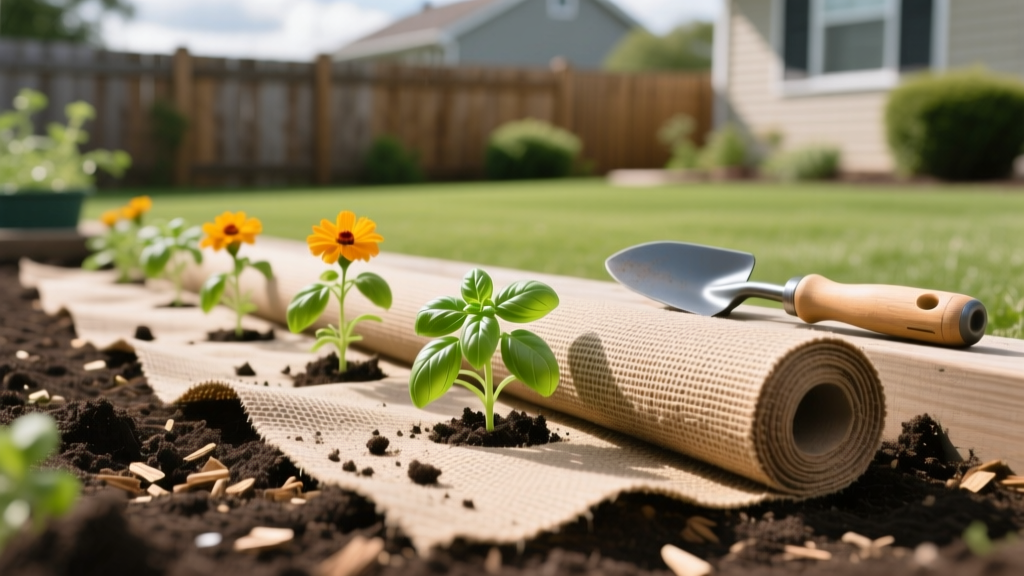
Choosing Cloth for Gardening: A Beginner's Weed Barrier Guide
The Purpose of Garden Cloth: Beyond Basic Weed Control
When beginners search for cloth for gardening, they are usually looking for a quick fix to stop weeds. While weed suppression is the primary function, high-quality landscape fabric also regulates soil temperature, retains moisture, and prevents soil erosion in high-traffic garden paths. However, treating garden cloth as a 'lay it and forget it' magic solution is the most common mistake new gardeners make. According to horticultural research from the University of Minnesota Extension, improper installation or using the wrong material grade can actually suffocate soil microbiomes and create worse weed problems over time.
To use garden cloth effectively, you must match the material's permeability and tensile strength to your specific garden zone. A pathways requires a completely different fabric specification than a perennial flower bed.
Material Matrix: Woven vs. Non-Woven vs. Biodegradable
Not all garden fabrics are created equal. The market is dominated by three distinct categories, each engineered for specific landscaping scenarios. Use this comparison matrix to select the correct material for your project.
| Fabric Type | Material Composition | Best Use Case | Water Permeability | Avg. Cost (per sq ft) | Lifespan |
|---|---|---|---|---|---|
| Woven | Polypropylene or Linen | Pathways, under gravel, high-traffic zones | Moderate (via microscopic pores) | $0.40 - $0.65 | 5-10 years |
| Non-Woven | Polyester or Poly-blend | Perennial beds, under organic mulch, slopes | High (felt-like absorption) | $0.30 - $0.50 | 3-5 years |
| Biodegradable | Jute, Paper, or Cornstarch | Short-term erosion control, new seed beds | Very High | $0.20 - $0.40 | 1-2 seasons |
Expert Tip: Look for the GSM (grams per square meter) rating on the packaging. For heavy-duty weed blocking under river rock, choose a woven fabric with a GSM of 120 or higher. For standard vegetable or perennial beds, a non-woven fabric with a GSM of 80-100 provides the ideal balance of weed blocking and root aeration.
Step-by-Step Installation for Raised and In-Ground Beds
Proper installation dictates whether your cloth for gardening will last five years or fail in five months. Follow these exact measurements to ensure a professional-grade barrier.
- Clear and Level the Subgrade: Remove all existing weeds, roots, and sharp rocks. Rake the soil completely flat. Any protruding rocks will puncture the fabric under the weight of mulch or foot traffic.
- Calculate Overlap: Never lay strips edge-to-edge. Always overlap adjacent fabric strips by a minimum of 6 inches. Weeds are opportunistic and will immediately exploit a zero-tolerance seam.
- Secure with the Right Hardware: Discard the cheap plastic staples included in most retail kits. Purchase 6-inch galvanized steel landscape pins (approx. $15 for a pack of 50). Place a pin every 3 feet along the edges and every 5 feet in the center of the fabric.
- Cut Precision Slits: When planting through the fabric, never cut a circular hole. Cut an 'X' shape. This allows you to fold the flaps back, plant your root ball, and fold the flaps tightly back around the plant stem, leaving zero exposed soil.
- Apply the Correct Mulch Depth: Cover the fabric with 2 to 3 inches of organic mulch (wood chips or bark). This protects the fabric from UV degradation and provides a secondary weed barrier.
Critical Failure Modes: Where Beginners Go Wrong
Even with the right material, environmental factors and maintenance oversights can render your weed barrier useless. Be aware of these specific failure modes.
The 'Dust Accumulation' Effect
Over time, wind-blown dust, pollen, and decomposing organic matter accumulate in the microscopic pores of woven fabrics. By year three, this creates a physical plug. Weed seeds blown onto the surface of your mulch will germinate in this dust layer, sending taproots directly through the fabric. Solution: Rake your mulch annually and use a leaf blower on a low setting to clear fine debris from exposed fabric edges.
UV Degradation
Sunlight destroys polypropylene. If you are using cloth for gardening in a sunny area and fail to cover it with at least 2 inches of mulch or gravel, UV radiation will cause the plastic polymers to become brittle and shatter within 12 to 18 months. Always verify that the product packaging explicitly states 'UV Stabilized' or 'UV Resistant'.
Warning: Never use a weed whacker or string trimmer near the edges of your garden cloth. A single slip of the monofilament string will slice through non-woven fabrics and unravel woven fabrics, creating a massive entry point for invasive grasses like Bermuda or Crabgrass.
When You Should NOT Use Garden Cloth
While highly effective in specific zones, landscape fabric is detrimental to certain garden ecosystems. Avoid using it in the following scenarios:
- Annual Vegetable Beds: Vegetables require frequent soil amendments, cover cropping, and deep tilling. Fabric blocks the integration of organic matter into the soil profile, starving the heavy-feeding root systems of crops like tomatoes and squash.
- Heavy Clay Soils with Poor Drainage: If your native soil percolates water at a rate slower than 1 inch per hour, adding a fabric layer will create a perched water table. This leads to root rot in shrubs and perennials.
- Pollinator and Native Plant Gardens: Many native ground-nesting bees and beneficial insects require access to bare, undisturbed soil to complete their life cycles. As noted by the Old Farmer's Almanac, sealing the soil completely disrupts local ecological balances.
Top Product Recommendations for 2026
If you are ready to purchase, these specific models offer the best balance of durability, permeability, and price for home gardeners:
- DeWitt Pro 5 Weed Barrier (Woven): The industry standard for pathways. Features a 4.1 oz/sq yd weight and exceptional tensile strength. Best used under gravel or heavy hardscaping.
- ECOgardener Premium Pro (Non-Woven): Excellent for perennial beds. Its felt-like texture allows superior water flow while blocking 99% of light to prevent weed seed germination.
- Agfabric Ground Cover: A budget-friendly, lightweight woven option ideal for temporary nursery areas or short-term erosion control on slopes.
By selecting the correct material grade, utilizing heavy-duty galvanized pins, and maintaining your mulch layer, your garden cloth will serve as a highly effective, low-maintenance barrier for years to come.

