
Gardening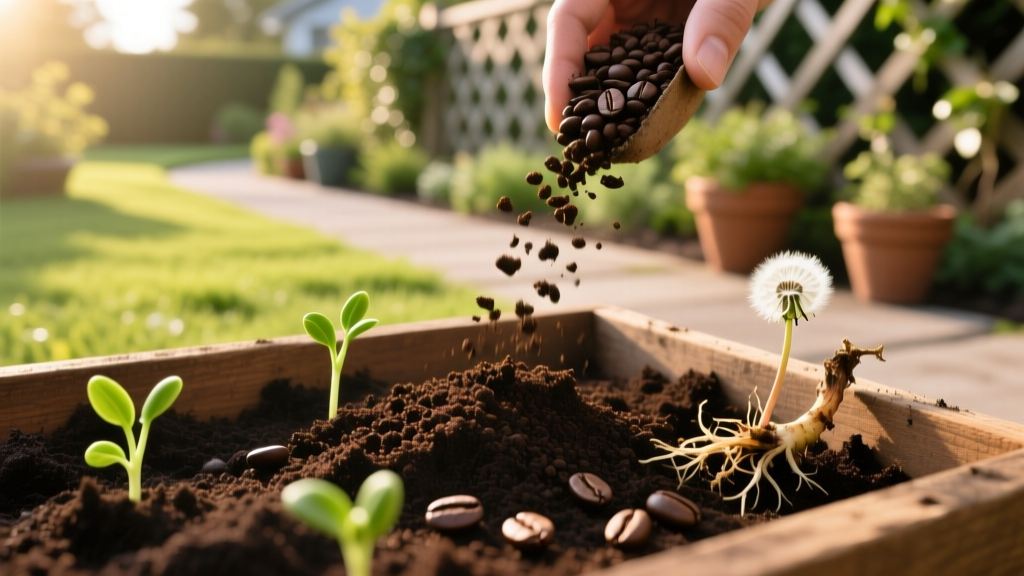
Are Coffee Grounds Good for Plants? The Soil Science Truth
The Chemical Reality: pH, Nitrogen, and Caffeine
The short answer to whether spent coffee grounds benefit garden plants is yes, but only when processed correctly through aerobic composting. Direct application of raw grounds to garden beds frequently causes more harm than good due to residual caffeine, hydrophobic crusting, and nitrogen immobilization. To understand how to use this abundant organic waste stream effectively, we must examine the exact chemical profile of spent grounds and how they interact with soil biology.
According to the Cornell University Waste Management Institute, the carbon-to-nitrogen (C:N) ratio of spent coffee grounds ranges from 20:1 to 24:1. This ratio is exceptionally close to the ideal 25:1 to 30:1 ratio required for rapid aerobic decomposition. Despite their brown color, coffee grounds function as a 'green' nitrogen source in composting systems, containing approximately 2.0% nitrogen, 0.3% phosphorus, and 0.3% potassium by dry volume.
Data Highlight: The pH Misconception
While brewed coffee is highly acidic (pH 4.8 to 5.1), the organic acids are water-soluble and end up in your cup. The remaining spent coffee grounds are actually near-neutral, typically testing between pH 6.5 and 6.8. They will not significantly lower the pH of your garden soil.
Three Persistent Coffee Ground Myths Debunked
Myth 1: Spent Grounds Acidify the Soil for Hydrangeas and Blueberries
Many gardeners sprinkle raw coffee grounds around acid-loving plants expecting a drop in soil pH. Because the spent grounds are virtually neutral (pH 6.5-6.8), they lack the chemical capacity to alter soil alkalinity. If your goal is to lower soil pH for ericaceous plants, elemental sulfur or aluminum sulfate are the only scientifically reliable amendments. Coffee grounds should only be used around these plants if they have been fully composted first, serving purely as an organic matter amendment rather than a pH adjuster.
Myth 2: Direct Mulching Suppresses Weeds and Retains Moisture
Applying a thick layer of raw coffee grounds as mulch triggers a physical failure in the soil profile. As the fine particles dry, they bind together to form a dense, hydrophobic crust. This crust actively repels irrigation water and restricts oxygen exchange to the root zone. The Royal Horticultural Society (RHS) explicitly advises against using thick layers of coffee grounds as a standalone mulch due to this moisture-blocking effect and the resulting promotion of shallow, stressed root systems.
Myth 3: Coffee Grounds Repel Slugs and Snails
While highly concentrated caffeine solutions (1-2% caffeine) are toxic to slugs and act as a contact neurotoxin, spent coffee grounds contain only trace amounts of residual caffeine—typically 2 to 5 milligrams per gram. This concentration is vastly insufficient to deter gastropods. Relying on coffee grounds for slug control will fail, leaving your hostas and brassicas vulnerable. Iron phosphate baits or physical copper barriers remain the proven alternatives for mollusk management.
The Allelopathic Effect: Caffeine and Seedling Stunting
The most critical, yet least discussed, factor in using coffee grounds is allelopathy—the biological phenomenon where plants release biochemicals that inhibit the growth of nearby organisms. Coffee plants produce caffeine specifically as a natural herbicide to prevent competition from other seedlings in their immediate vicinity.
When raw coffee grounds are incorporated directly into seed-starting mixes or sowing beds, the residual caffeine leaches into the soil solution. Research indicates that this chemical exposure severely stunts radicle (root) emergence in sensitive species. Tomatoes, mustard, clover, and geraniums are particularly susceptible to caffeine-induced germination failure. Always keep raw grounds away from direct-seeded crops and vulnerable transplants.
Actionable Framework: How to Process and Apply Grounds
To safely harness the 2% nitrogen content and improve soil tilth, coffee grounds must be biologically processed. Follow this exact framework to integrate them into your garden system without triggering anaerobic rot or caffeine toxicity.
- Aerobic Composting (The 20% Rule): Add spent grounds to your compost bin, but restrict them to a maximum of 20% of the total pile volume. Exceeding this threshold compacts the pile, reducing airflow and encouraging anaerobic bacteria that produce foul-smelling amines. Balance the grounds with high-carbon 'browns' like shredded cardboard or dry autumn leaves.
- Vermicomposting (The 25% Threshold): Red wiggler worms (Eisenia fetida) can process coffee grounds, but their gizzard biology is sensitive to high acidity and caffeine. Limit coffee grounds to 25% of the vermicompost diet, and pre-rinse them with water to flush out any remaining soluble acids before feeding them to your worm bins.
- Liquid Fertilizer Extraction: To create a fast-acting, low-risk liquid feed, steep 2 cups of spent grounds in a 5-gallon bucket of rainwater for 48 hours. Strain the liquid and apply it directly to the root zone of established, heavy-feeding perennials. This method extracts water-soluble nutrients while leaving the bulk of the allelopathic caffeine bound in the solid cellular structure of the grounds.
Plant Compatibility Matrix
Use this decision matrix to determine how and when to apply coffee ground amendments based on your specific plant targets and soil conditions.
| Plant Category | Coffee Ground Strategy | Scientific Rationale |
|---|---|---|
| Acid-Lovers (Azaleas, Blueberries) | Avoid for pH adjustment; use composted grounds only for organic matter. | Spent grounds are pH neutral (6.5-6.8). Use elemental sulfur to lower soil pH. |
| Heavy Feeders (Tomatoes, Corn) | Apply fully composted grounds (processed for 90+ days). | Provides slow-release nitrogen (2% N) without caffeine-induced stunting. |
| Direct-Seeded Crops & Seedlings | Strictly avoid in seed-starting mixes or direct sowing beds. | Residual caffeine exhibits allelopathic properties that inhibit radicle emergence. |
| Established Trees & Shrubs | Incorporate lightly into the top 2 inches of soil under drip line. | Mature root systems are unaffected by trace caffeine; grounds improve water retention. |
Frequently Asked Questions
Can I compost coffee grounds that have grown mold?
Yes. The white or green mold frequently seen on leftover coffee grounds in your kitchen caddy is typically Trichoderma or Penicillium, both of which are beneficial saprophytic fungi. These fungi are excellent decomposers and will accelerate the breakdown process in your compost pile. Do not attempt to scrape the mold off; simply add the entire mass to your aerobic compost system.
Do coffee grounds attract rodents or pests to the compost bin?
Spent coffee grounds do not attract rodents. In fact, the strong olfactory profile of decomposing coffee can sometimes mask the scent of food scraps that typically draw rats and mice. However, the Environmental Protection Agency (EPA) notes that pest attraction in compost is almost always driven by the addition of fats, dairy, or meats, rather than nitrogen-rich plant matter like coffee grounds. Ensure your bin is properly sealed and balanced with carbon materials to maintain a pest-free environment.
Are decaffeinated coffee grounds safer for direct soil application?
While decaffeinated grounds eliminate the allelopathic risks associated with caffeine, they still suffer from the physical flaw of forming a hydrophobic crust when dried on the soil surface. Furthermore, the decaffeination process often strips away some of the beneficial micronutrients. Decaf grounds must still be composted or lightly incorporated into the soil to prevent moisture-blocking and ensure proper microbial breakdown.

