
Gardening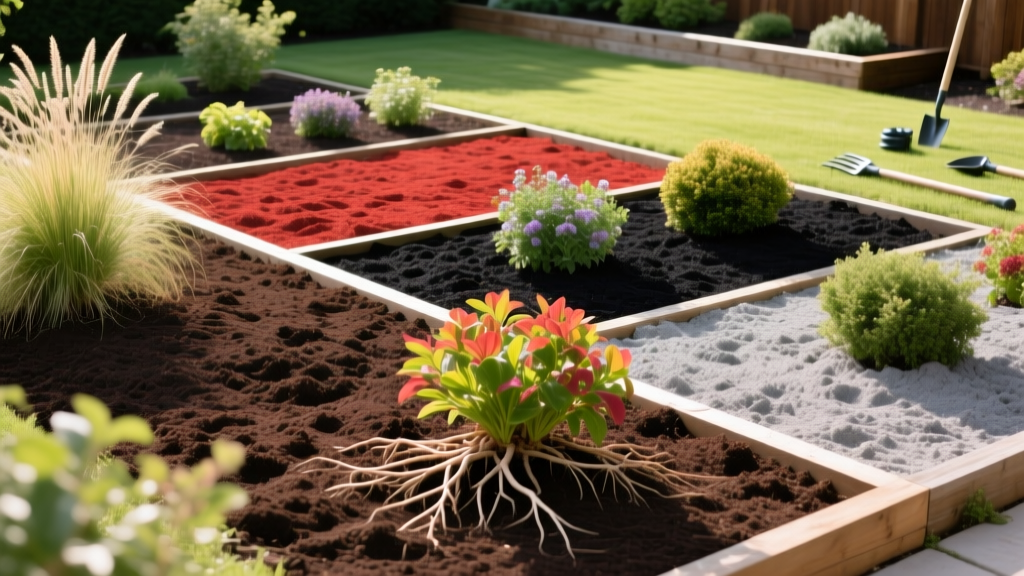
How the Color of Mulch Impacts Soil Temperature and Plant Health
The color of mulch is rarely just an aesthetic choice. Beneath the surface, mulch pigmentation dictates soil thermodynamics, influences root-zone moisture retention, and introduces specific chemical compounds into your garden beds. While natural hardwood and pine bark mulches reflect solar radiation, heavily dyed black and red mulches absorb shortwave light, fundamentally altering the microclimate of your landscape. Understanding the thermal and chemical properties of mulch colors is essential for selecting the right material for specific plant species, climates, and design goals.
The Thermodynamics of Mulch: Albedo and Soil Heat
Every mulch color has a specific albedo, which is the measure of how much solar radiation it reflects versus absorbs. This physical property directly impacts the soil temperature beneath the mulch layer. According to research from Penn State Extension, dark-colored mulches can raise the temperature of the top two inches of soil by 2°F to 5°F compared to lighter, natural mulches during the spring warming period.
Thermal Absorption Rates by Color:
- Black Mulch: Absorbs 85% to 95% of visible solar radiation. Ideal for warming soil in early spring for heat-loving crops like peppers and eggplants.
- Red Mulch: Absorbs 70% to 80% of radiation, but uniquely reflects far-red light wavelengths, which can influence plant photoreceptors.
- Brown Mulch: Absorbs 60% to 70% of radiation. Offers a moderate thermal buffer, balancing heat absorption and reflection.
- Natural (Undyed) Wood: Reflects up to 30% to 40% of solar radiation. Keeps root zones cooler during peak summer months, protecting shallow-rooted perennials from heat stress.
In northern climates with short growing seasons, black mulch acts as a thermal battery, absorbing heat during the day and releasing it at night, effectively extending the growing season. Conversely, in southern or arid climates, black mulch can overheat the root zones of sensitive plants, leading to root scorch and increased evaporation rates if the mulch layer is too thin to provide adequate insulation.
Chemical Composition and Safety of Dyed Mulches
Homeowners often express concern regarding the safety of mulch dyes leaching into the soil and groundwater. The safety of dyed mulch depends entirely on the pigment used and the source of the wood. Reputable manufacturers use three primary colorants:
| Mulch Color | Primary Pigment | Chemical Formula | Soil Safety Profile |
|---|---|---|---|
| Black | Carbon Black | C (Elemental Carbon) | Highly stable, non-toxic, does not leach heavy metals. |
| Red | Iron Oxide | Fe2O3 | Safe; essentially rust. Adds trace iron to the soil over time. |
| Brown | Iron Oxide + Carbon Black | Fe2O3 + C | Safe blend used to mimic natural aged bark. |
Warning: The Recycled Pallet Hazard
The danger in dyed mulch does not come from the iron oxide or carbon black dyes, but from the wood source. Uncertified, ultra-cheap red or brown mulch is sometimes made from recycled shipping pallets. These pallets may have been treated with Chromated Copper Arsenate (CCA) or methyl bromide. Always verify that your mulch carries the Mulch & Soil Council (MSC) Certification logo, which guarantees the product is free from CCA-treated wood and unsafe chemical contaminants.
The danger in dyed mulch does not come from the iron oxide or carbon black dyes, but from the wood source. Uncertified, ultra-cheap red or brown mulch is sometimes made from recycled shipping pallets. These pallets may have been treated with Chromated Copper Arsenate (CCA) or methyl bromide. Always verify that your mulch carries the Mulch & Soil Council (MSC) Certification logo, which guarantees the product is free from CCA-treated wood and unsafe chemical contaminants.
Agronomic Effects: Does Mulch Color Change Crop Yields?
The interaction between mulch color and plant physiology extends beyond simple soil temperature. The specific wavelengths of light reflected by the mulch surface can trigger phytochrome responses in plants, influencing flowering and fruiting.
The Red Mulch and Tomato Phenomenon
Agricultural studies have long documented that red plastic mulch increases tomato yields by up to 20%. The red surface reflects far-red light wavelengths upward into the plant canopy, tricking the plant's phytochromes into perceiving less competition from neighboring plants, which triggers earlier and more robust fruiting. While red wood mulch does not reflect far-red light as efficiently as specialized plastic films, many commercial growers and home gardeners still report marginal yield improvements and earlier ripening when using iron-oxide red mulch around solanaceous crops like tomatoes and peppers.
Black Mulch for Heat-Loving Vegetables
For crops that require high soil temperatures to establish strong root systems—such as eggplants, melons, and sweet potatoes—black mulch provides a distinct advantage. By raising the root-zone temperature by an average of 3°F, black mulch accelerates early-season microbial activity and nutrient mineralization, making nitrogen and phosphorus more bioavailable to the plant during critical vegetative growth stages.
UV Degradation and Maintenance Timelines
All dyed mulches suffer from ultraviolet (UV) degradation. The color of mulch will fade as the sun breaks down the pigment bonds on the surface of the wood chips. Understanding these fade rates is critical for budgeting annual landscape maintenance.
- Red Mulch (Fastest Fade): Iron oxide pigments tend to wash out and UV-degrade within 6 to 9 months. By late summer, red mulch often turns a dull, washed-out orange or grayish-brown. Requires annual top-dressing.
- Black Mulch (Moderate Fade): Carbon black is highly UV-resistant but will eventually fade to a charcoal gray after 12 to 18 months of direct sun exposure.
- Brown Mulch (Slowest Fade): Because brown mimics the natural color of decaying wood, its fade rate is the least noticeable. It transitions seamlessly into the color of natural compost over 18 to 24 months.
Top-Dressing Protocol: Never apply a fresh 3-inch layer of dyed mulch over existing faded mulch. This creates a hydrophobic barrier that suffocates roots and invites fungal pathogens like artillery fungus. Instead, rake the existing bed to break up the matted layer, and apply exactly 1 inch of fresh, MSC-certified dyed mulch to restore the color profile without exceeding the recommended 3-inch total depth outlined by University of Minnesota Extension.
Landscape Design Pairings by Mulch Color
Beyond agronomics, the color of mulch serves as the foundational canvas for your landscape design. Selecting the correct hue prevents visual clash with your home's exterior and highlights specific plant palettes.
Black Mulch Pairings
Creates high contrast. Best for modern architecture, white or gray stone facades, and bright flowering annuals like yellow marigolds or white caladiums. Avoid in heavily shaded, wooded areas where it can look unnatural.
Red Mulch Pairings
Complements brick exteriors, terra-cotta hardscaping, and rustic designs. Pairs well with green foliage and yellow blooms. Avoid using near purple or pink flowering plants, as the red/pink clash creates visual dissonance.
Frequently Asked Questions
Will black mulch kill my plants by overheating the soil?
Black mulch will not kill established plants if applied at the correct depth (2 to 3 inches). The top half-inch of the black mulch absorbs the heat, while the lower layers act as an insulator, keeping the actual soil cooler than bare dirt exposed to the sun. However, piling black mulch directly against plant stems (volcano mulching) can cause thermal damage and stem rot.
Does the color of mulch affect soil pH?
The dye itself (carbon black or iron oxide) does not alter soil pH. However, the wood species used as the base material does. Pine bark mulch, whether dyed or natural, is slightly acidic and will lower soil pH over time, making it ideal for azaleas and blueberries. Hardwood mulch is generally pH-neutral to slightly alkaline as it decomposes.
Can I dye my faded natural mulch instead of buying new dyed mulch?
While commercial mulch colorants (spray-on iron oxide or carbon black liquid dyes) are available for $40 to $60 per gallon, they are difficult to apply evenly with standard pump sprayers and often stain concrete hardscaping. It is more cost-effective and environmentally sound to top-dress with 1 inch of fresh, factory-dyed MSC-certified mulch.

