
Gardening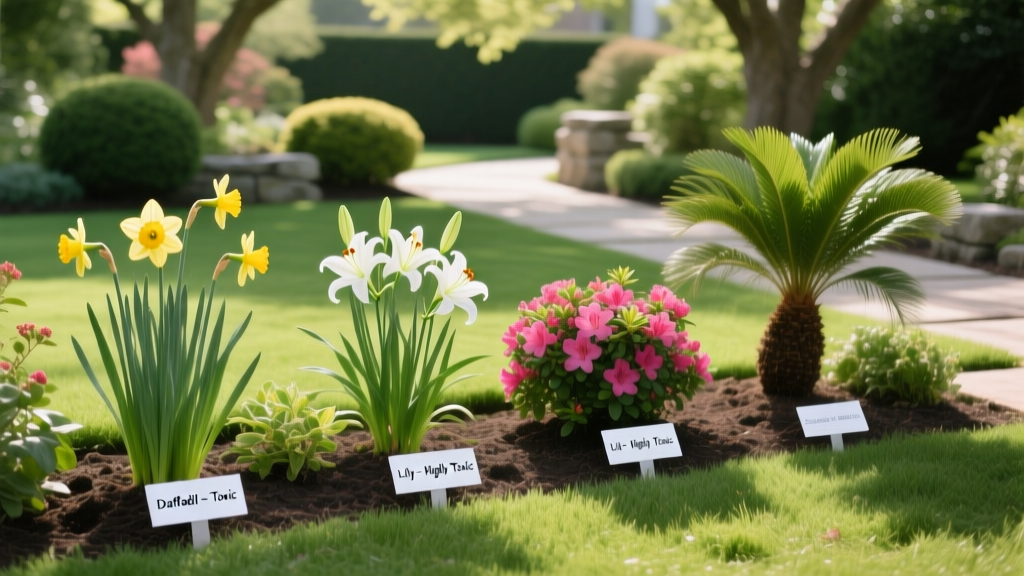
Common Plants Toxic to Dogs: Identify Risks & Safe Alternatives
Designing a beautiful landscape requires balancing aesthetic appeal with practical safety, especially for households with pets. Many popular ornamental shrubs, perennials, and bulbs contain complex biochemical compounds that can cause severe gastrointestinal distress, neurological damage, or even fatal organ failure in canines. Identifying common plants toxic to dogs is the first critical step in cultivating a pet-friendly outdoor space. This guide breaks down the specific toxic principles found in everyday garden staples, provides a direct swap matrix for dog-safe alternatives, and outlines often-overlooked hardscaping hazards like toxic mulches and organic fertilizers.
The Hidden Dangers: 5 Highly Toxic Garden Staples
While hundreds of plants pose some level of risk, a small handful of widely used ornamentals are responsible for the majority of severe veterinary emergencies. The table below details the specific botanical profiles, toxic agents, and clinical signs associated with the most dangerous landscape plants.
| Common Name | Botanical Name | Toxic Principle | Clinical Signs | Lethality Risk |
|---|---|---|---|---|
| Sago Palm | Cycas revoluta | Cycasin | Vomiting, melena, icterus, acute liver failure | Extreme (Seeds most toxic) |
| Oleander | Nerium oleander | Cardiac glycosides | Drooling, abdominal pain, fatal cardiac arrhythmias | Extreme (All parts toxic) |
| Lily of the Valley | Convallaria majalis | Cardiac glycosides | Vomiting, diarrhea, decreased heart rate, seizures | High |
| Azalea / Rhododendron | Rhododendron spp. | Grayanotoxins | Excessive salivation, weakness, coma, cardiovascular collapse | High (0.2% of body weight) |
| Autumn Crocus | Colchicum autumnale | Colchicine | Oral irritation, bloody vomiting, bone marrow suppression | Extreme |
⚠️ Immediate Action Warning: If you suspect your dog has ingested any part of a Sago Palm or Oleander, do not wait for symptoms to appear. Liver failure from cycasin toxicity can be delayed by 24 to 48 hours, at which point the damage is often irreversible. Transport your pet to an emergency veterinary clinic immediately.
Understanding the Toxins: Why These Plants Harm Dogs
To effectively manage garden risks, it helps to understand the biochemistry behind plant toxicity. Plants evolved these compounds as defense mechanisms against herbivores, but canine metabolisms process them in uniquely dangerous ways.
Cycasin and Hepatic Necrosis
Found primarily in the Sago Palm, cycasin is a glycoside that, when ingested, is cleaved by intestinal bacteria into methylazoxymethanol (MAM). MAM is a potent hepatotoxin that causes massive centrilobular hepatic necrosis. Even a single seed can trigger fatal liver failure in a medium-sized dog. Unlike some toxins that induce immediate vomiting, cycasin allows the dog to absorb the lethal compound before clinical signs manifest.
Grayanotoxins and Sodium Channels
Azaleas and rhododendrons contain grayanotoxins, which bind to sodium channels in cell membranes, delaying their closure. This results in a continuous influx of sodium into the cells, leading to prolonged depolarization. In dogs, this translates to severe cardiovascular and neurological depression. Ingestion of just 0.2% of the dog's body weight in azalea leaves can induce a coma.
Colchicine and Mitotic Arrest
The Autumn Crocus contains colchicine, an alkaloid that inhibits microtubule polymerization. This effectively halts cellular mitosis (cell division). Because colchicine targets rapidly dividing cells, the gastrointestinal lining and bone marrow are devastated, leading to severe hemorrhagic gastroenteritis and long-term bone marrow suppression.
The Swap Matrix: Toxic Plants vs. Dog-Safe Alternatives
You do not need to sacrifice landscape aesthetics to protect your pets. By selecting structurally similar but non-toxic cultivars, you can maintain your garden's design intent. The ASPCA's comprehensive plant database confirms the safety of the following alternatives.
| Toxic Plant to Remove | Dog-Safe Alternative | Botanical Name | USDA Hardiness Zones |
|---|---|---|---|
| Sago Palm | Areca Palm or Bamboo Palm | Dypsis lutescens / Chamaedorea seifrizii | 9-11 (or indoor container) |
| Azalea / Rhododendron | Camellia or Snapdragons | Camellia japonica / Antirrhinum majus | 7-9 / 7-11 |
| Lily of the Valley | Lilyturf or Spider Plant | Liriope muscari / Chlorophytum comosum | 5-10 / 9-11 |
| Autumn Crocus | Hardy Begonia or Calendula | Begonia grandis / Calendula officinalis | 6-9 / 2-11 |
| Oleander | Viburnum or Bottlebrush | Viburnum tinus / Callistemon citrinus | 7-9 / 8-11 |
Hardscaping and Mulch: Overlooked Garden Hazards
Plant selection is only half the battle. The materials you use to retain soil moisture and fertilize your beds can harbor severe toxicity risks that many beginner gardeners overlook.
The Cocoa Mulch Danger
Cocoa bean shell mulch is prized for its rich dark color, pleasant chocolate scent, and excellent moisture retention. However, it contains theobromine and caffeine—the exact same methylxanthines that make baker's chocolate toxic to dogs. Because it smells like chocolate, dogs are highly attracted to it and may ingest large quantities. Ingestion causes tachycardia, hyperactivity, tremors, and potentially fatal seizures. Alternative: Use untreated cedar or pine bark mulch, which is entirely non-toxic and naturally repels certain insect pests.
Organic Fertilizer Toxicity
Organic gardening often relies on animal-based soil amendments, but these are highly palatable to canines and pose unique risks:
- Bone Meal: Highly attractive to dogs due to its scent. When ingested, it can form a solid, cement-like obstruction in the gastrointestinal tract, requiring surgical removal.
- Blood Meal: Contains extremely high levels of nitrogen and iron. Ingestion leads to severe iron toxicosis, resulting in vomiting, bloody diarrhea, and oxidative damage to the liver.
- Compost: Improperly managed compost piles can harbor decaying organic matter that produces tremorgenic mycotoxins. If a dog digs into and eats moldy compost, it can trigger severe neurological tremors and hyperthermia within 30 minutes.
Emergency Response Framework
Despite your best preventative measures, accidental ingestion can occur. Having a structured emergency protocol saves critical minutes. Experts at Cornell University's Department of Animal Science emphasize that rapid identification of the ingested plant dictates the veterinary treatment plan.
- Secure the Evidence: Safely remove any remaining plant material from your dog's mouth. Collect a sample of the plant, including leaves, stems, and any flowers or berries, and place it in a sealed plastic bag.
- Do Not Induce Vomiting Blindly: Unless explicitly instructed by a veterinarian, do not administer hydrogen peroxide. If the plant causes caustic irritation, vomiting will damage the esophagus a second time.
- Contact Poison Control: Call the ASPCA Animal Poison Control Center at (888) 426-4435. Be prepared for a consultation fee (typically $95 in 2026), which is a necessary investment for immediate, life-saving triage advice from board-certified veterinary toxicologists.
- Transport with Data: Bring the plant sample and the exact time of ingestion to your emergency vet. This allows the clinic to administer the correct targeted therapies, such as activated charcoal or specific anti-arrhythmics, rather than relying on broad-spectrum supportive care.
By systematically auditing your landscape for these common plants toxic to dogs, swapping high-risk ornamentals for safe cultivars, and avoiding hazardous mulches, you can cultivate a thriving, vibrant garden that remains a safe sanctuary for your pets.

