
Gardening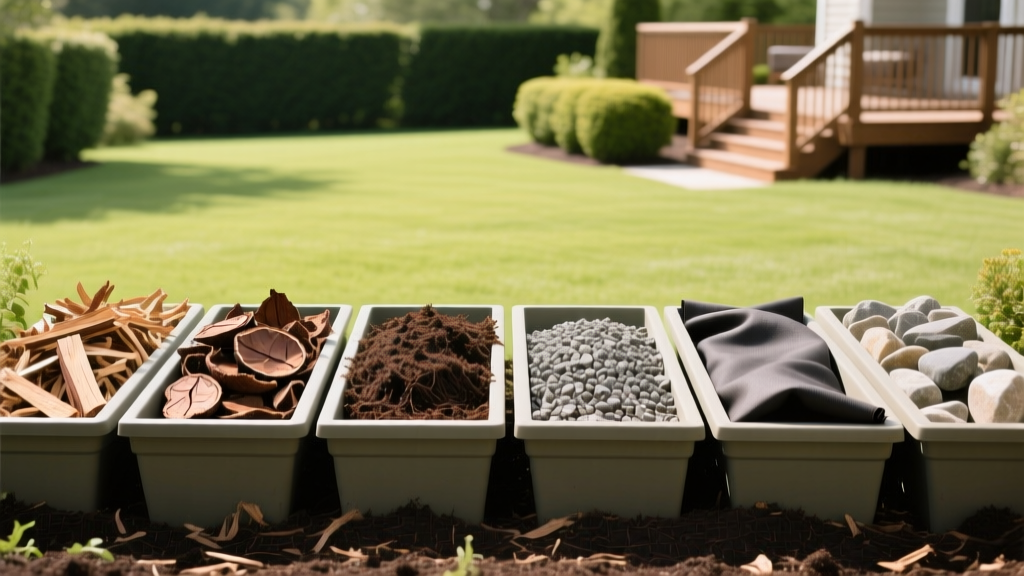
Comparing 8 Types of Mulching Materials for Garden Beds and Landscapes
Mulching is simultaneously one of the most beneficial and most frequently misapplied techniques in horticulture. While many gardeners view mulch merely as a cosmetic top-dressing to suppress weeds, the reality is far more complex. When evaluating the various types of mulching strategies available, you must consider the carbon-to-nitrogen (C:N) ratio of the material, its decomposition rate, its thermal properties, and its long-term impact on soil microbiology. Selecting the wrong material for a specific application—such as using high-carbon wood chips around shallow-rooted annual vegetables—can actively stunt plant growth and disrupt soil nutrient cycling.
This guide dissects the mechanics of organic and inorganic mulching materials, providing exact specifications, failure modes, and current market pricing to help you make an informed decision for your landscape.
The Core Divide: Organic vs. Inorganic Mulching
The fundamental distinction between the primary types of mulching materials lies in their biological activity. Organic mulches are derived from once-living plant matter and will eventually decompose, feeding the soil food web. Inorganic mulches are synthetic or mineral-based and serve strictly as physical barriers.
| Feature | Organic Mulches | Inorganic Mulches |
|---|---|---|
| Primary Function | Soil amendment, moisture retention, temperature buffering | Weed suppression, permanent aesthetic, erosion control |
| Soil Biology Impact | Feeds mycorrhizal fungi and earthworms | Neutral to negative (can suffocate soil gas exchange) |
| Lifespan | 1 to 3 years (requires annual topping) | 10+ years (requires occasional cleaning/raking) |
| Average Cost (per cu. yd.) | $25 - $65 | $80 - $150+ (or priced by ton/sq. ft.) |
4 Primary Organic Types of Mulching Materials
Organic materials are the gold standard for garden beds, vegetable patches, and tree rings. However, not all organics are created equal. The C:N ratio dictates how the material interacts with soil nitrogen.
1. Shredded Hardwood Bark
Shredded hardwood is the most ubiquitous landscape mulch. It knits together well, making it highly resistant to washing away on slopes. However, its C:N ratio is roughly 400:1. If shredded bark is tilled into the soil, the microbes required to break it down will scavenge available nitrogen, causing severe nitrogen deficiency in plants. It must only be applied as a surface dressing. Expect to replace 1 to 1.5 inches annually as it decomposes into humus.
2. Pine Straw (Longleaf Pine Needles)
Pine straw is exceptionally lightweight, allowing for excellent water infiltration and gas exchange. A common myth is that pine straw drastically acidifies soil. While fresh green needles are acidic, cured brown pine straw has a near-neutral pH (around 6.0 to 6.5) and will not significantly alter your soil's pH over time. It is the premier choice for acid-loving plants like azaleas and blueberries, primarily because it doesn't compact and form a hydrophobic crust like shredded wood can.
3. Arborist Wood Chips
Sourced directly from tree trimming operations, arborist wood chips contain a mix of bark, sapwood, heartwood, and leaves. According to extensive research highlighted by the University of Minnesota Extension, this varied particle size creates a diverse microclimate that supports a wider range of soil fungi compared to uniform bark mulch. They are often available for free from local arborists, though they should be aged for 3 to 6 months before applying around sensitive perennials to allow volatile allelopathic compounds to off-gas.
4. Cocoa Bean Hulls
Cocoa hulls offer a rich, dark color and a pleasant chocolate aroma that lasts for several weeks. They are high in nitrogen and phosphorus compared to wood mulches. However, they contain theobromine and caffeine, making them highly toxic to dogs if ingested. If you have pets that forage in your garden beds, avoid this material entirely.
⚠️ Allelopathy Warning: Never use wood chips or mulch derived from Black Walnut (Juglans nigra) or Tree of Heaven (Ailanthus altissima). These species produce juglone and ailanthone, respectively—chemical compounds that inhibit seed germination and cause vascular wilt in sensitive plants like tomatoes, peppers, and apples.
3 Inorganic Types of Mulching for Permanent Landscapes
Inorganic materials do not improve soil structure and should be reserved for pathways, xeriscapes, drainage swales, or around heat-loving Mediterranean herbs.
5. River Rock and Pea Gravel
Gravel provides permanent weed suppression and excellent drainage. However, it absorbs and radiates solar heat. In southern climates, a bed mulched with dark river rock can see soil temperatures exceed 110°F (43°C) in mid-summer, cooking shallow roots. Always pair gravel with a permeable geotextile underlay if placed over heavy clay to prevent the stones from sinking into the soil profile over time.
6. Landscape Fabric (Woven Geotextile)
Often marketed as a permanent weed barrier, landscape fabric is a frequent source of long-term garden failure. While it blocks weeds initially, airborne dust and organic debris quickly clog the woven pores. Within two years, the fabric becomes impermeable to water and air. Furthermore, weed seeds blow on top of the fabric, germinate in the trapped dust, and send roots through the mesh, making the resulting weeds nearly impossible to pull without tearing the fabric. As noted by soil scientists at the North Carolina State Extension, a 3-inch layer of coarse organic mulch is vastly superior for long-term weed suppression and soil health.
7. Recycled Rubber Mulch
Made from shredded tires, rubber mulch never decomposes and is heavily marketed for playgrounds and commercial landscapes. However, it leaches zinc, cadmium, and polycyclic aromatic hydrocarbons (PAHs) into the soil as it degrades under UV exposure. It should never be used in vegetable gardens, near edible perennials, or in areas where runoff enters local waterways.
Application Mechanics and Failure Modes
Identifying the correct material is only half the battle; improper application of these types of mulching techniques causes more plant mortality than pests or drought. Follow these strict parameters:
- The 3-Inch Rule: For organic mulches, maintain a depth of exactly 2 to 3 inches. Less than 2 inches fails to block weed photosynthesis; more than 3 inches creates an anaerobic zone that suffocates feeder roots and invites crown rot.
- The Trunk Exclusion Zone: Keep mulch at least 3 to 5 inches away from the base of trees and the crowns of woody shrubs. Piling mulch against the trunk (known as 'volcano mulching') keeps the bark constantly moist, inviting fungal pathogens like Phytophthora and encouraging adventitious roots that will eventually girdle and strangle the tree.
- Nitrogen Drawdown Mitigation: If applying high-carbon mulch (like straw or wood chips) to a heavily fertilized vegetable bed, apply a light dusting of blood meal or a balanced liquid fertilizer to the soil surface before laying the mulch to offset the initial microbial nitrogen demand at the soil interface.
2026 Sourcing and Cost Expectations
Supply chain stabilization and localized composting mandates have shifted mulch pricing. Below are the current average bulk delivery costs (excluding delivery fees, which typically add $50-$125 depending on distance).
| Material | Unit | Average 2026 Cost | Best Application |
|---|---|---|---|
| Double-Shredded Hardwood | Cubic Yard | $32 - $45 | Shrub borders, general landscape beds |
| Longleaf Pine Straw | Bale (approx. 2.5 cu ft) | $7.50 - $11.00 | Acid-loving plants, sloped beds, perennials |
| Cedar Mulch (Aromatic) | Cubic Yard | $55 - $75 | Insect-prone areas, pathways |
| Arborist Wood Chips | Cubic Yard | $0 - $15 (Tip fee) | Large tree rings, naturalized woodland areas |
| Washed River Rock (3/4 inch) | Ton | $65 - $90 | Dry creek beds, xeriscapes, drainage swales |
For bulk purchasing, always ask your supplier if the mulch is 'aged' or 'fresh'. Freshly ground hardwood mulch can contain high levels of acetic acid and ammonia from anaerobic fermentation during transport and storage. If it smells like vinegar or sulfur, it must be spread out and cured in the sun for a week before application, or it will chemically burn plant foliage. The Missouri Botanical Garden recommends sourcing from certified composting facilities that monitor pile temperatures to ensure weed seeds and pathogens are destroyed.
Frequently Asked Questions
Does mulch attract termites to my home?
Wood mulch does not attract termites from afar, but it provides an ideal, moisture-rich foraging environment if termites are already present in the soil. To mitigate risk, maintain a strict 12-inch bare-soil or gravel buffer between any organic mulch and your home's foundation, ensuring the weep holes of your brick veneer remain visible and unobstructed.
Can I use grass clippings as mulch?
Yes, but only if applied correctly. Grass clippings have a very low C:N ratio (approx. 15:1) and break down rapidly. They must be applied in thin layers (no more than 1 inch at a time) and allowed to dry between applications. Applying thick, wet mats of clippings will result in anaerobic decomposition, producing foul-smelling slime and heat that can kill plant stems. Never use clippings from lawns treated with broadleaf herbicides like 2,4-D or dicamba, as residual chemicals can persist and damage garden plants.
What is the best mulch for a steep slope?
On slopes exceeding a 15% grade, lightweight mulches like pine straw or shredded hardwood will wash away during heavy rain. For these areas, use heavier materials like shredded bark (which knits together), jute netting pinned over straw, or inorganic river rock backed by a permeable geotextile grid to lock the stones in place.

