
Gardening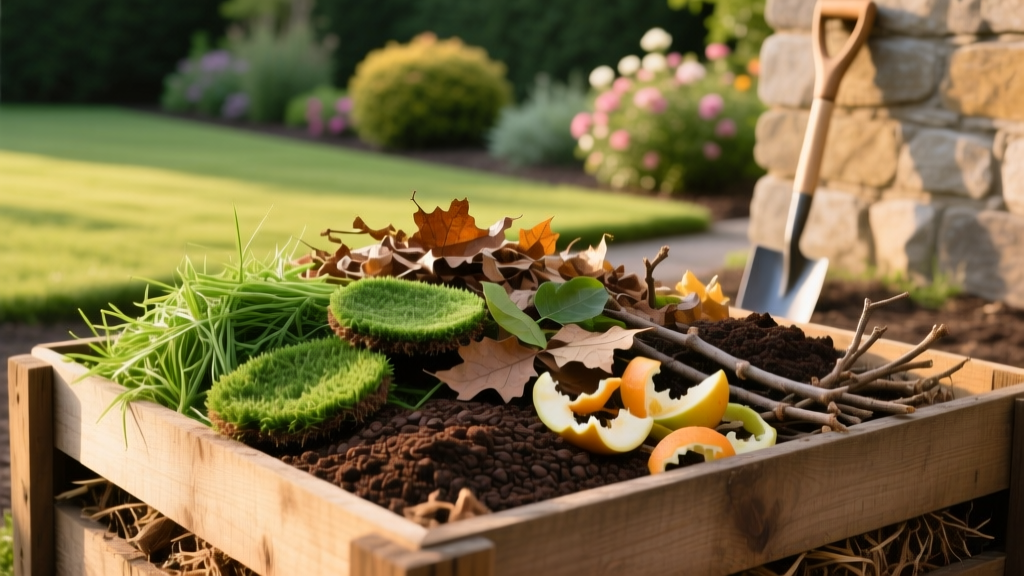
What Should You Put in a Compost Pile? The C:N Ratio Explainer
The Microbial Diet: Understanding Carbon and Nitrogen
Deciding what should you put in a compost pile requires understanding the biological engine driving the decomposition process: bacteria, fungi, and actinomycetes. These microorganisms do not view your yard waste as 'trash'; they view it as fuel and building blocks. To build a hot, efficient compost pile that breaks down in 60 to 90 days rather than a year, you must feed these microbes a precise diet based on the Carbon-to-Nitrogen (C:N) ratio.
Carbon (C) provides the energy (carbohydrates) microbes need to multiply and generate heat. Nitrogen (N) provides the protein necessary for cellular reproduction and enzyme production. According to the Cornell University Waste Management Institute, the ideal target ratio for a starting compost pile is between 25:1 and 30:1 (25 to 30 parts carbon for every 1 part nitrogen). If the ratio skews too high in carbon, the pile stalls and stays cold. If it skews too high in nitrogen, the pile turns anaerobic, loses valuable nitrogen as ammonia gas, and emits a foul odor.
The Master Ingredient Matrix
Not all organic matter is created equal. Below is a precise breakdown of common compost ingredients, categorized by their primary nutritional role for your microbial workforce.
| Ingredient | C:N Ratio | Category | Preparation Requirement |
|---|---|---|---|
| Sawdust (Untreated) | 325:1 | Heavy Brown (Carbon) | Sprinkle in thin layers; avoid clumping |
| Dry Oak Leaves | 60:1 | Brown (Carbon) | Shred with a lawnmower to 1-inch pieces |
| Corrugated Cardboard | 350:1 | Heavy Brown (Carbon) | Remove tape/labels; shred or soak in water |
| Fresh Grass Clippings | 17:1 | Green (Nitrogen) | Sun-dry for 24 hours to prevent matting |
| Vegetable Kitchen Scraps | 15:1 | Green (Nitrogen) | Chop melon rinds and tough stems |
| Coffee Grounds | 20:1 | Green (Nitrogen) | Add directly; break up dry clumps |
High-Carbon 'Browns': The Energy Source
Brown materials are typically dry, brittle, and carbon-dense. They provide the structural bulk that allows oxygen to flow through the pile, which is critical for aerobic decomposition.
1. Shredded Dry Leaves
Whole dry leaves are hydrophobic and can mat together, creating anaerobic pockets. Always run over them with a mulching lawnmower. Shredding increases the surface area for microbes to attack, reducing breakdown time from 12 months to roughly 8 weeks.
2. Unbleached Corrugated Cardboard
Cardboard is an excellent carbon source, but the glues and inks matter. Stick to plain brown corrugated boxes. Avoid glossy, wax-coated, or heavily dyed cardboard, as the synthetic polymers will not break down and can introduce heavy metals into your soil food web.
3. Straw (Not Hay)
Straw (the stalks left after grain harvest) is hollow, providing excellent aeration and a C:N ratio around 75:1. Never substitute hay (dried grasses/legumes used for animal feed), as hay is packed with viable weed seeds that will survive a standard compost cycle and infest your garden beds.
High-Nitrogen 'Greens': The Protein Source
Green materials are typically moist, fresh, and nitrogen-dense. They are the catalyst that heats up the pile.
1. Kitchen Scraps
Vegetable peels, fruit cores, and stale bread are excellent nitrogen sources. However, surface area dictates speed. A whole butternut squash will take months to rot from the inside out. Chop dense scraps into 1-inch cubes before tossing them in the bin.
2. Fresh Grass Clippings
Grass clippings are highly reactive and packed with nitrogen. If added in thick, wet layers, they immediately compress, exclude oxygen, and turn into a slimy, foul-smelling anaerobic mat. Always let grass clippings dry in the sun for a day before adding them, and mix them thoroughly with bulky browns like straw or shredded cardboard.
Expert Insight: The Coffee Ground pH Myth
A pervasive gardening myth claims that coffee grounds are highly acidic and will lower your compost pH. In reality, the acidic compounds in coffee are water-soluble and end up in your morning cup. Spent coffee grounds have a near-neutral pH of 6.5 to 6.8. Despite their brown color, they have a C:N ratio of roughly 20:1, meaning they act as a 'Green' nitrogen source in your pile. Add them freely, but break up any dry, compacted clumps from your espresso machine or drip brewer to ensure they integrate into the microbial matrix.
A pervasive gardening myth claims that coffee grounds are highly acidic and will lower your compost pH. In reality, the acidic compounds in coffee are water-soluble and end up in your morning cup. Spent coffee grounds have a near-neutral pH of 6.5 to 6.8. Despite their brown color, they have a C:N ratio of roughly 20:1, meaning they act as a 'Green' nitrogen source in your pile. Add them freely, but break up any dry, compacted clumps from your espresso machine or drip brewer to ensure they integrate into the microbial matrix.
The Thermophilic Phase: Heating the Pile
When the C:N ratio, moisture, and oxygen are correctly balanced, the pile enters the thermophilic (heat-loving) phase. Mesophilic bacteria start the process, but as temperatures rise above 104°F (40°C), thermophilic bacteria take over. According to the Environmental Protection Agency (EPA), a compost pile must reach and maintain a temperature between 131°F and 170°F (55°C to 76°C) for at least three consecutive days to successfully destroy human pathogens and weed seeds.
To monitor this, invest in a specialized compost thermometer with a 20-inch to 24-inch probe, such as the REOTEMP Backyard Compost Thermometer. Insert the probe into the geographic center of the pile where heat concentrates. If temperatures exceed 165°F, the pile is too hot and beneficial microbes may die off; turn the pile immediately to release heat and introduce oxygen.
What to NEVER Put in a Compost Pile
While organic matter eventually decomposes, certain materials introduce severe failure modes into a home composting system.
Warning: Black Walnut Toxicity
Never add black walnut (Juglans nigra) leaves, twigs, or hulls to your compost. They contain juglone, a natural biochemical that inhibits the growth of many plants, particularly nightshades like tomatoes, peppers, and eggplants. Juglone degrades very slowly and can survive the composting process, effectively turning your finished compost into a herbicide.
Never add black walnut (Juglans nigra) leaves, twigs, or hulls to your compost. They contain juglone, a natural biochemical that inhibits the growth of many plants, particularly nightshades like tomatoes, peppers, and eggplants. Juglone degrades very slowly and can survive the composting process, effectively turning your finished compost into a herbicide.
- Meat, Dairy, and Fats: These do not break down via standard aerobic bacteria. Instead, they putrefy, attracting rodents and flies. Fats coat organic matter in a waterproof biofilm, physically blocking microbes and oxygen from accessing the carbon beneath.
- Pet Waste (Dog/Cat): Carnivore feces harbor dangerous pathogens like Toxoplasma gondii, E. coli, and Salmonella. Home compost piles rarely maintain the uniform 145°F+ temperatures required to neutralize these parasites, making the finished compost unsafe for food crops.
- Diseased Plant Material: Fungal spores from tomato blight or powdery mildew can survive in the cooler outer edges of a compost pile. Unless you are meticulously monitoring temperatures and turning frequently to ensure all material hits the thermophilic zone, burn or bag diseased plants.
- Glossy or Coated Paper: Magazine pages and junk mail often contain microplastics, heavy metal inks, and UV-resistant coatings that will fragment into microplastics in your soil rather than decomposing.
Moisture Calibration: The 40-60% Rule
Microbes are aquatic organisms; they live in the microscopic water films coating organic particles. The University of California Agriculture and Natural Resources (UC ANR) division recommends maintaining a moisture content of 40% to 60%.
Perform the 'Squeeze Test': Put on a gardening glove, grab a handful of compost from the center of the pile, and squeeze it tightly.
Ideal: One or two drops of water appear between your fingers, and the material holds its shape when you open your hand.
Too Dry: The material crumbles immediately, and no moisture appears. (Fix: Add water with a hose while turning the pile, or add high-moisture greens like watermelon rinds).
Too Wet: Water streams out in a steady drip. (Fix: Turn the pile to release steam and aggressively mix in dry, bulky browns like shredded cardboard or sawdust).
Troubleshooting Diet Imbalances
Your compost pile will communicate its dietary needs through scent and temperature. Use this diagnostic matrix to correct imbalances on the fly.
| Symptom | Diagnosis | Corrective Action |
|---|---|---|
| Strong ammonia or urine smell | Excess Nitrogen (Low C:N Ratio) | Mix in 2 parts shredded dry leaves or cardboard. Turn thoroughly. |
| Rotten egg or sulfur smell | Anaerobic conditions (Lack of Oxygen) | Turn the pile immediately. Add chunky woodchips or straw to create air pockets. |
| Pile is cold and unchanged after 3 weeks | Excess Carbon or Too Dry | Add nitrogen-rich grass clippings or a commercial compost activator. Check moisture. |
| Swarming with fruit flies | Exposed kitchen scraps | Bury all new food scraps at least 6 inches deep under a layer of brown leaves. |
Mastering what to put in a compost pile is an exercise in applied biology. By viewing your ingredients through the lens of C:N ratios, surface area, and microbial habitat, you transform a passive pile of rotting debris into a highly calibrated, thermophilic bioreactor that produces premium, pathogen-free humus for your garden.

