
Gardening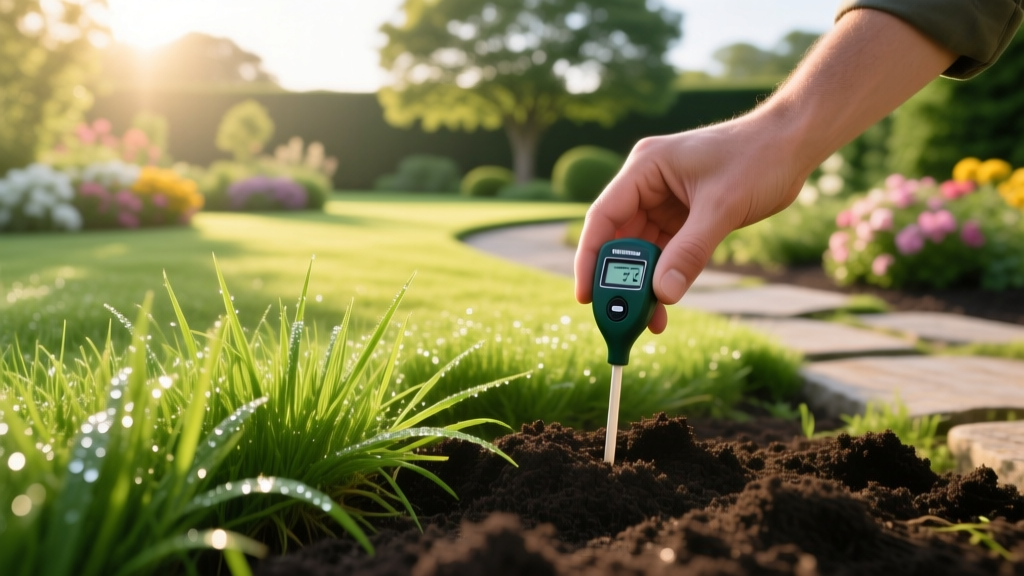
Should I Water My Garden Every Day? The Soil Moisture Guide
The Short Answer: Why Daily Watering Usually Fails
Watering your garden every day is one of the most common mistakes home growers make, often leading to shallow root systems, nutrient leaching, and fatal fungal diseases. For the vast majority of in-ground and raised bed gardens, daily watering is detrimental. Plants require cycles of soil moisture depletion to drive root growth and oxygen exchange in the rhizosphere. When soil remains perpetually saturated, pore spaces fill with water instead of air, suffocating roots and inviting pathogens like Pythium (root rot) and Phytophthora.
The only exception to this rule is newly sown seeds, shallow-rooted seedlings, or small container gardens exposed to extreme heat. For established vegetables, perennials, and shrubs, deep and infrequent watering is the biological imperative. According to EPA WaterSense, outdoor watering accounts for nearly 30% of residential water use, much of which is wasted through improper daily scheduling that ignores actual soil moisture levels and evapotranspiration rates.
The Science of Evapotranspiration and Root Zones
To understand why daily watering fails, you must understand evapotranspiration (ET)—the combined process of water evaporating from the soil surface and transpiring from plant leaves. ET rates are dictated by solar radiation, temperature, humidity, and wind speed. When you apply a light, daily sprinkle of water, you only wet the top 1 to 2 inches of soil. This water is rapidly lost to surface evaporation before it ever reaches the active root zone.
The 1-Inch Weekly Rule Translated:
A standard horticultural baseline is 1 inch of water per week. Mathematically, 1 inch of water over 1 square foot equals exactly 0.62 gallons. Therefore, a standard 4x8 foot raised bed (32 square feet) requires approximately 20 gallons of water per week to meet baseline ET demands. Applying this in two 10-gallon sessions is vastly superior to applying 2.8 gallons every single day.
A standard horticultural baseline is 1 inch of water per week. Mathematically, 1 inch of water over 1 square foot equals exactly 0.62 gallons. Therefore, a standard 4x8 foot raised bed (32 square feet) requires approximately 20 gallons of water per week to meet baseline ET demands. Applying this in two 10-gallon sessions is vastly superior to applying 2.8 gallons every single day.
Furthermore, roots grow toward moisture. If moisture is only present at the surface due to daily light watering, roots will concentrate in the top 2 inches of soil. This makes the plant highly vulnerable to drought stress the moment surface temperatures rise. Deep, infrequent watering (wetting the soil down to 6–8 inches) forces roots to migrate downward, creating a resilient, drought-tolerant root architecture.
Soil Matrix: Water Retention by Type
Your soil texture dictates how frequently you need to water. The University of Minnesota Extension notes that soil particle size directly controls capillary action and water-holding capacity. Use the matrix below to identify your baseline watering frequency.
| Soil Type | Available Water Capacity | Infiltration Rate | Recommended Frequency |
|---|---|---|---|
| Sandy | 0.5 - 0.75 inches per foot | Fast (2+ inches/hour) | Every 2-3 days (shorter duration) |
| Loam | 1.5 - 2.0 inches per foot | Moderate (0.5-1 inch/hour) | Every 4-5 days (moderate duration) |
| Clay | 2.0 - 2.5 inches per foot | Slow (less than 0.5 inch/hour) | Every 7-10 days (long duration, slow application) |
The Trowel Diagnostic Framework
Do not rely on surface appearance to gauge soil moisture. The top layer of soil can look bone-dry while the root zone remains completely saturated. Instead, use the Trowel Diagnostic Framework to physically verify moisture levels before triggering irrigation.
- The 2-Inch Seedling Check: For newly germinated seeds and transplants less than two weeks old, insert your index finger into the soil up to the second knuckle (approx. 2 inches). If the soil feels dry and fails to clump together when squeezed, water immediately. Seedlings lack the root mass to access deeper moisture.
- The 6-Inch Trowel Test (Established Plants): For established vegetables (tomatoes, peppers, squash) and perennials, push a standard 6-inch garden trowel straight down into the soil near the plant's drip line. Pull the trowel back to open a fissure and observe the soil profile. The soil should feel cool and hold its shape when squeezed into a ball. If it crumbles instantly and feels warm, the root zone is depleted.
- The Squeeze Test for Clay: If you have heavy clay soil, grab a handful from the 6-inch depth and squeeze it tightly. If water drips out, the soil is waterlogged—do not water. If it forms a tight, shiny ribbon, it has adequate moisture. If it breaks apart into hard clods, it is critically dry.
Recognizing Overwatering vs. Underwatering Symptoms
Because both overwatering and underwatering cause plants to wilt, visual identification requires looking beyond the drooping leaves. Use this symptom matrix to accurately diagnose moisture stress.
Signs of Overwatering (Hypoxia)
- Yellowing Lower Leaves: The oldest leaves at the base of the plant turn yellow and drop off while the top growth remains green.
- Edema: Blisters or corky, white/brown bumps appear on the undersides of leaves, caused by root pressure forcing water into leaf cells faster than they can transpire.
- Wet Wilting: The plant wilts during the morning or evening when temperatures are cool, and the soil feels distinctly wet to the touch.
- Algae or Moss: Green algae or moss begins to grow on the soil surface, indicating perpetual surface moisture.
Signs of Underwatering (Drought Stress)
- Crispy Leaf Margins: The edges of the leaves turn brown, dry, and crispy, often curling inward to reduce surface area.
- Dry Wilting: The plant wilts during the heat of the afternoon but may partially recover overnight. The soil is dry to a 6-inch depth.
- Stunted Fruit Development: Blossom end rot in tomatoes and peppers frequently occurs when erratic watering prevents calcium uptake from dry soil.
- premature Bolting: Leafy greens (lettuce, spinach, cilantro) rapidly send up flower stalks and turn bitter as a survival response to drought.
Container vs. In-Ground Nuances
While in-ground gardens rarely need daily water, container gardens are a distinct micro-environment. Potting mixes are engineered for high drainage and aeration, meaning they hold significantly less water than field soil. Furthermore, terracotta and black plastic pots absorb and radiate heat, accelerating evaporation from the sides of the container.
During peak summer months (when ambient temperatures exceed 85°F), a 5-gallon container growing a mature tomato plant may consume its entire available water reserve in 18 to 24 hours. In this specific scenario, daily watering—or even twice-daily watering—is biologically necessary. To mitigate this, upgrade to 15-gallon fabric grow bags, which provide a larger soil buffer, or apply a 2-inch layer of arborist wood chips on the soil surface to reduce surface evaporation by up to 30%.
Precision Irrigation Technology
If you want to eliminate the guesswork and stop asking whether you should water today, invest in soil moisture telemetry. Smart irrigation technology has advanced significantly, moving beyond simple timers to reactive, data-driven systems.
- Vegetronix VH400 Soil Moisture Sensor ($45): This analog sensor measures the dielectric permittivity of the soil, providing a highly accurate voltage output that correlates to volumetric water content. Unlike cheap resistive probes that corrode within a season, the VH400 uses a flat, epoxy-coated design that lasts for years buried in the root zone.
- Rachio 3 Smart Sprinkler Controller ($229): For automated drip irrigation systems, the Rachio 3 integrates with local weather stations to calculate daily ET rates. Its Weather Intelligence Plus feature automatically skips scheduled watering if the soil moisture threshold is met or if rain is forecast, preventing the most common cause of garden overwatering: the "set it and forget it" timer.
- B-hyve XD Smart Controller ($299): Offers advanced flow metering and integrates directly with wired soil moisture sensors to halt irrigation the moment the root zone reaches field capacity, preventing water waste and nutrient leaching.
Frequently Asked Questions
Is it better to water the garden in the morning or evening?
Always water in the early morning (between 5:00 AM and 8:00 AM). This allows the water to penetrate the soil profile before peak solar evaporation occurs. Watering in the evening leaves foliage wet overnight, creating the exact humid, cool microclimate required for fungal pathogens like powdery mildew and early blight to germinate and infect plant tissue.
How does mulch affect my watering schedule?
Applying a 2-to-3-inch layer of organic mulch (straw, shredded leaves, or untreated grass clippings) reduces soil surface evaporation by 50% to 70%. If you maintain a thick mulch layer, you can typically extend your watering intervals by 1 to 2 days compared to bare soil. Ensure the mulch is kept 2 inches away from the base of plant stems to prevent collar rot.

