
Gardening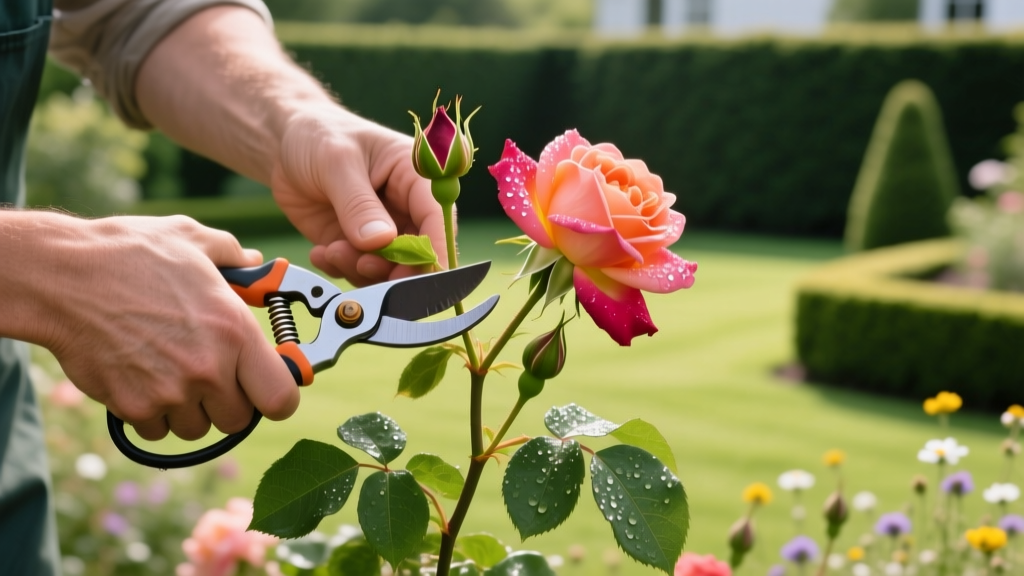
How to Deadhead Flowers: Node-Specific Pruning for Maximum Blooms
The Botanical Mechanics of Apical Dominance
Deadheading flowers is not merely an aesthetic chore; it is a direct manipulation of plant hormone pathways. When a flower begins to senesce (fade), the plant shifts its physiological priority from vegetative growth and new bloom production toward seed development. This shift is governed by auxin, a growth hormone produced in the developing seeds. As auxin flows down the stem, it enforces apical dominance, suppressing the outgrowth of lateral buds further down the plant.
By removing the spent flower head before seed set initiates, you abruptly halt the auxin flow. This biochemical signal forces the plant to redirect its energy reserves into activating dormant lateral buds, resulting in a secondary or tertiary flush of blooms. According to the Royal Horticultural Society (RHS), consistent deadheading can extend the blooming period of many herbaceous perennials and annuals by up to 40 percent compared to unpruned specimens.
The Auxin Redistribution Principle
If you simply snap off the dried petals but leave the swollen green ovary (the receptacle) intact, the plant will continue producing auxin and prioritize seed maturation. Effective deadheading requires the complete removal of the floral stem down to the first active vegetative node to fully break apical dominance.
Essential Tools and Sterilization Protocols
Using the wrong tool crushes the plant's vascular cambium, creating a ragged wound that heals slowly and invites opportunistic pathogens like Botrytis cinerea (gray mold). Invest in precision bypass pruners, never anvil pruners, for live floral stems.
- Heavy Stems (Over 1/4 inch): Use the Felco 2 Classic bypass pruners (approx. $65). The hardened steel blade creates a clean, flush cut on thick-stemmed perennials like Echinacea and Rudbeckia.
- Delicate Stems and Annuals: Use Fiskars Micro-Tip Floral Snips (approx. $15). The elongated, narrow blades allow you to reach deep into dense foliage canopies (like Lobelia or Alyssum) without decapitating adjacent healthy buds.
- Sterilization: Keep a spray bottle of 70% isopropyl alcohol or a 10% bleach solution in your garden apron. Wipe the blades between every single plant. This non-negotiable step prevents the mechanical transmission of devastating diseases like Tobacco Mosaic Virus (TMV) and Xanthomonas bacterial leaf spot.
The 1/4-Inch Node Rule: Executing the Cut
The physical location of your cut dictates the speed and angle of the new shoot. The universal standard for deadheading flowers is the 1/4-inch node rule. Locate the first set of healthy, full-sized leaves or lateral side shoots directly below the spent bloom.
Make your cut exactly 1/4 inch above the node where the leaf petiole meets the main stem. Angle the cut at 45 degrees, sloping away from the bud. This specific geometry ensures that rainwater and overhead irrigation run off the cut surface rather than pooling against the delicate new bud, which would cause rot. Cutting too high leaves a dead stub that rots back into the main stem; cutting too low damages the axillary bud itself, blinding that node permanently.
Species-Specific Deadheading Matrix
Different plant families exhibit unique branching habits. The University of Wisconsin-Madison Extension notes that treating all perennials with the same pruning technique results in stunted growth or missed blooms. Use the matrix below to target the correct node for popular garden species.
| Plant Species | Exact Cut Location | Special Considerations |
|---|---|---|
| Rosa (Hybrid Teas & Floribundas) | Cut down to the first 5-leaflet leaf facing outward. | Cutting at a 3-leaflet leaf often results in weak, blind shoots that fail to produce flowers. |
| Salvia nemorosa | Cut just above the first set of lateral side shoots. | Shearing the entire plant back by 1/3 after the first heavy flush yields a denser, more uniform second bloom. |
| Petunia x hybrida | Pinch the stem back to the first healthy leaf node. | Do not just pull the dead petals; the green seed capsule must be removed to trigger new growth. |
| Hydrangea macrophylla | Snip the stem just above the first pair of fat, green buds. | Avoid cutting lower into old wood, as bigleaf hydrangeas bloom on previous year's growth. |
| Echinacea purpurea | Cut to the first lateral leaf axil below the cone. | Stop deadheading by late August to allow cones to form for winter foraging birds. |
The Ecological Shift: When to Stop Deadheading
While continuous deadheading maximizes summer color, it directly conflicts with late-season ecological garden management. As daylight hours shorten and temperatures drop in early autumn, the horticultural goal must shift from bloom production to wildlife support and plant dormancy preparation.
The Xerces Society for Invertebrate Conservation strongly advocates for ceasing all deadheading and stem-cutting activities by early fall. Leaving spent flower heads on plants like Echinacea, Rudbeckia, and Sedum provides critical high-fat seed foraging for overwintering birds such as chickadees, nuthatches, and American goldfinches. Furthermore, the hollow, pithy stems of these perennials serve as essential overwintering habitat for native solitary bees and beneficial predatory insects.
'A perfectly manicured, continuously deadheaded fall garden is essentially a food desert for migrating and overwintering avian species. The seed heads you leave behind are the difference between survival and starvation for local finch populations.'
Troubleshooting: Pathogen Vectors and Cutting Errors
Even experienced gardeners make structural errors during deadheading that compromise plant health. Monitor your plants for these specific failure modes:
- Stem Dieback: If the stem turns brown and shrivels below your cut, you likely cut too high, leaving a stub that lacks the vascular connection to heal, or your blades were contaminated with fungal spores. Recut the stem 1/4 inch above the next healthy node down using sterilized shears.
- Botrytis Blight (Gray Mold): If you notice fuzzy gray growth on the cut site or adjacent leaves, you are deadheading during wet conditions or overhead watering is pooling on flat cuts. Always deadhead when foliage is completely dry, preferably in the late morning after dew has evaporated.
- Blind Shoots on Roses: If your roses produce weak, leafy stems without buds after deadheading, you are likely cutting above a 3-leaflet leaf instead of a 5-leaflet leaf, or the plant is suffering from severe heat stress. During peak summer temperatures above 90°F, roses naturally abort buds; prune lightly and wait for the autumn cool-down for reliable reblooming.
Mastering the precise mechanics of deadheading flowers transforms a tedious maintenance chore into a strategic tool for manipulating plant architecture, extending floral displays, and ultimately balancing aesthetic garden design with late-season ecological stewardship.

