
Gardening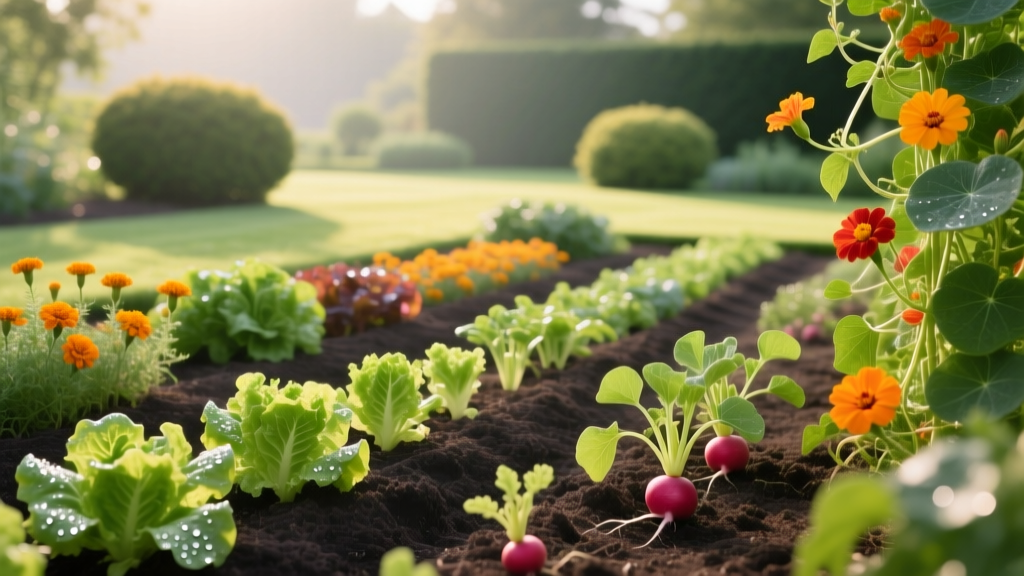
How to Define Annual Crops for Succession Planting
The Core Definition: True Annuals vs. Tender Perennials
To successfully plan a high-yield garden, you must first accurately define annual crops. In botanical terms, a true annual is a plant that completes its entire life cycle—from seed germination to flowering, seed production, and death—within a single growing season. Radishes, zinnias, bush beans, and sunflowers are classic examples. Once they set seed, their biological imperative is fulfilled, and they die regardless of environmental conditions.
However, in agricultural and home gardening contexts, the definition expands to include tender perennials grown as annuals. These are plants that would naturally live for multiple years in their native, frost-free habitats but are killed by winter freezes in temperate zones. Tomatoes, peppers, eggplants, and sweet potatoes fall into this category. Understanding this distinction is critical for your garden layout: true annuals are your primary candidates for rapid succession planting, while tender perennials require a long, uninterrupted growing season and are typically planted just once after the last frost date.
Expert Insight: When reading seed packets, look for the phrase "grown as an annual" on crops like peppers or tomatoes. This indicates the plant's Days to Maturity (DTM) is calculated from the transplant date, not the direct seeding date, fundamentally changing how you schedule your garden calendar.
Categorizing Annuals by Days to Maturity (DTM)
Once you define annual crops for your specific hardiness zone, the next step is categorizing them by Days to Maturity (DTM). DTM is the number of days from seeding (or transplanting) to the first harvest. Grouping your crops by DTM allows you to layer plantings and maximize spatial efficiency. According to the University of Minnesota Extension, staggering plantings based on these maturity windows prevents the "feast or famine" harvest cycle that plagues many beginner gardens.
| DTM Category | Timeframe | Primary Crop Examples | Succession Interval |
|---|---|---|---|
| Fast-Maturing | 25–45 Days | Radishes, Arugula, Baby Spinach, Microgreens | Every 10–14 days |
| Medium-Maturing | 50–70 Days | Bush Beans, Summer Squash, Cucumbers, Beets | Every 21–28 days |
| Slow-Maturing | 80–120+ Days | Winter Squash, Pumpkins, Melons, Onions | Single planting per season |
Step-by-Step: Mapping Your Annual Crop Calendar
Translating the definition of annual crops into a physical garden plan requires backward calculation from your area's first and last frost dates. Here is the exact framework used by commercial market gardeners to ensure continuous harvests.
- Identify Your Frost Windows: Find your average last spring frost and first fall frost dates. If your last frost is May 15 and first frost is October 10, you have a 148-day frost-free growing window.
- Calculate the Fall Cut-Off: For a fall harvest of a 60-day crop like bush beans, count backward 60 days from October 10 (August 11). Then, subtract an additional 14 days to account for the "fall effect" (shorter daylight hours and cooling soil that slow plant growth). Your absolute last planting date for bush beans is July 28.
- Block Out the Bed Space: Divide your raised beds into 1-foot or 2-foot grid squares. Assign fast-maturing crops to the outer edges where they are easy to harvest and replant, and reserve the deep center for slow-maturing or trellised crops.
- Schedule the Overlap: Start your second succession of seeds in modular trays (like the 72-cell Bootstrap Farmer trays, roughly $12-$15 each) 3 weeks before the previous crop is scheduled to be pulled. This ensures zero days of empty soil.
Soil Preparation and Nutrient Loading for Heavy Feeders
Because annual crops complete their life cycles rapidly, they require immediate access to soluble nutrients. Unlike deep-rooted perennials that can forage for minerals over time, annuals rely entirely on the top 6 to 8 inches of the soil profile. When you define annual crops for your rotation plan, you must also define their nutrient demands.
Leafy and Root Annuals (Nitrogen and Potassium Focus)
Crops like lettuce, spinach, and radishes require high nitrogen to fuel rapid vegetative growth. Before planting a fast-maturing succession, incorporate a balanced organic fertilizer with an N-P-K ratio of 10-5-5. Apply at a rate of 1.5 to 2 pounds per 100 square feet. For a quick mid-season boost, use a liquid fish emulsion (typically 5-1-1) applied at 2 tablespoons per gallon of water every 14 days.
Fruiting Annuals (Phosphorus and Calcium Focus)
Tomatoes, peppers, and eggplants need phosphorus for root establishment and flower set, plus calcium to prevent physiological disorders. Amend the planting hole with a 5-10-10 granular fertilizer and a handful of gypsum (calcium sulfate) to provide soluble calcium without altering the soil pH. A 40-pound bag of pelletized gypsum costs around $15-$20 and will treat approximately 400 square feet of garden space.
Warning: Never apply high-nitrogen fertilizers (like blood meal or synthetic 20-10-10) to fruiting annuals once they begin to flower. Excess nitrogen forces the plant to prioritize leafy canopy growth over reproductive flower and fruit development, resulting in massive plants with near-zero yield.
Troubleshooting Common Annual Crop Failures
Even with a perfect calendar, environmental stressors can disrupt annual crops. Understanding the physiological triggers behind these failures allows you to intervene before the crop is lost.
- Premature Bolting in Cool-Season Annuals: When crops like cilantro, spinach, or arugula are exposed to lengthening daylight hours (over 14 hours) and soil temperatures above 75°F, they trigger an hormonal response to bolt (go to seed). The Fix: Switch to "slow-bolt" cultivars (like 'Slo-Bolt' cilantro or 'Bloomsdale' spinach) for late spring plantings, and use a 30% shade cloth (approximately $25 for a 10x20 ft sheet) to artificially reduce light intensity and lower soil temperatures.
- Blossom End Rot in Solanaceous Crops: This manifests as a sunken, leathery black spot on the bottom of tomatoes and peppers. It is a calcium transport issue, usually caused by erratic watering rather than a true soil calcium deficiency. The Fix: Maintain consistent soil moisture using drip irrigation and a 2-inch layer of straw mulch. Avoid cultivating the soil within 12 inches of the main stem, as severing fine feeder roots halts calcium uptake.
- Leggy Seedlings in Direct-Sown Annuals: If your fast-maturing root crops emerge thin and pale, they are likely competing with early weed flushes or lacking immediate phosphorus. The Fix: Flame-weed the bed 48 hours before planting to destroy the weed seed bank in the top half-inch of soil, and dust the seed furrow with rock phosphate before sowing.
Extending the Annual Harvest with Season Extension Tools
You can artificially manipulate the environment to stretch the definition of your annual crop's growing season. By utilizing spun-bond polypropylene row covers, you can trap ground heat and protect tender annuals from early fall frosts. A lightweight cover like Agribon AG-19 (costing roughly $18-$25 for a 10x100 ft roll) allows 85% light transmission while providing up to 4°F of frost protection. For late fall harvests of cold-hardy true annuals like kale and mache, upgrade to a heavy-weight AG-50 cover paired with low tunnels made from 1/2-inch PVC conduit. This combination can keep fast-maturing annuals producing viable harvests well into December in USDA Zones 5 and 6, effectively doubling your garden's productive window.
"Mastering the garden requires shifting your perspective from planting individual crops to managing a continuous flow of biomass. When you accurately define annual crops by their maturity speeds and temperature thresholds, you stop gardening by the calendar and start gardening by the microclimate." — Adapted from commercial market farming methodologies.
By rigorously defining your annual crops through the lenses of botanical life cycle, days to maturity, and nutrient requirements, you transform a chaotic backyard plot into a highly calibrated food production system. Track your actual harvest dates against your planned DTM in a garden journal each year, and within two seasons, your succession planting calendar will be perfectly dialed into your specific local microclimate.

