
Gardening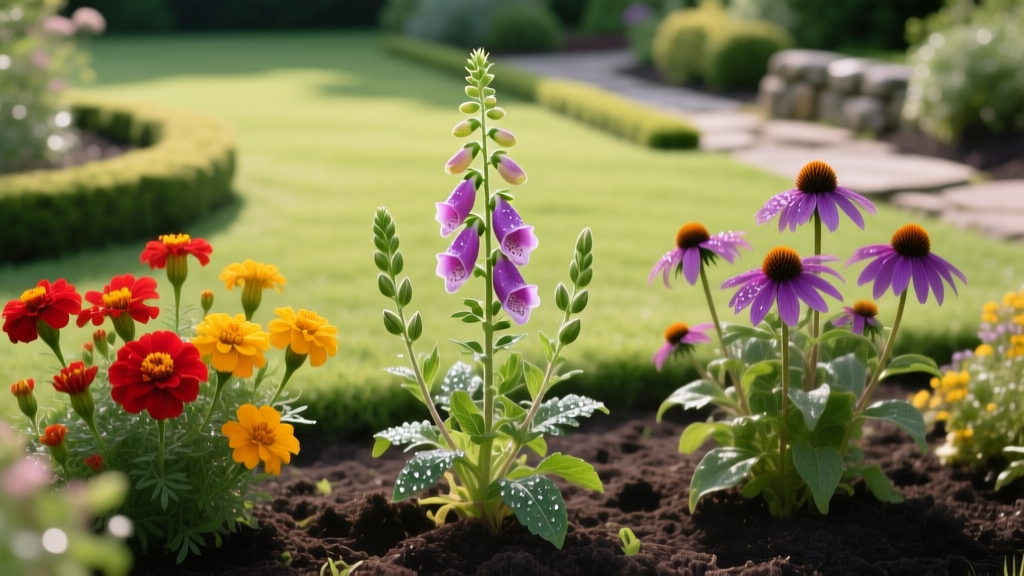
Diagnosing Annual, Bi-Annual, and Biennial Flower Bloom Failures
The Semantic Trap: Annual, Biennial, or Bi-Annual?
One of the most frequent diagnostic challenges in home gardening is the 'phantom bed' syndrome: plants that fail to return the following spring, or flowers that refuse to produce a second flush of blooms. In 90% of these cases, the root cause is not a soil pathogen or a watering error, but a fundamental misdiagnosis of plant lifecycles and blooming frequencies. The confusion almost always stems from the semantic overlap between annual, biennial, and bi-annual classifications.
To diagnose your garden failures, we must first establish strict botanical definitions. According to Penn State Extension, an annual completes its entire lifecycle (germination, flowering, seed set, and death) in a single growing season. A biennial requires two years to complete its lifecycle, typically growing only vegetative foliage in year one and flowering in year two. Conversely, bi-annual is not a lifecycle classification; it is a blooming frequency term describing a plant that flowers twice in a single calendar year (often called remontant or repeat-blooming).
When gardeners buy 'bi-annual' seeds expecting a plant that lives for two years, or when they buy a biennial expecting it to flower in its first summer, the result is an empty garden bed and a misdiagnosis of 'bad soil.' Below is a comprehensive diagnostic framework to identify and correct these specific lifecycle and blooming failures.
Diagnostic Matrix: Why Your Flowers Disappeared
| Observed Symptom | Likely Misdiagnosis | Actual Botanical Reality | Corrective Action for Next Season |
|---|---|---|---|
| Plant grew lush green leaves all summer but produced zero flowers, then died in winter. | Defective seeds or lack of phosphorus. | Plant was a true biennial (e.g., Digitalis purpurea) in its first vegetative year, killed by frost before year-two bolting. | Sow biennials in late summer for overwintering, or buy cold-stratified plugs in spring. |
| Plant flowered beautifully in June, then stopped completely despite deadheading. | Disease or heat stress. | Plant is a single-flush cultivar, not a bi-annual bloomer. Genetic hormonal limits prevent a second flush. | Replace with verified remontant (bi-annual blooming) cultivars like Rosa 'Knock Out' or Delphinium 'Magic Fountains'. |
| Plant flowered, set seed, and the entire root system rotted and died by August. | Overwatering or root rot fungus. | Plant was a true annual (e.g., Cosmos bipinnatus) that completed its genetic mandate and senesced naturally. | Accept the lifecycle. succession-plant fast-growing annuals like Zinnias every 3 weeks for continuous color. |
Symptom 1: The Biennial Vernalization Failure
If you planted Foxgloves (Digitalis), Hollyhocks (Alcea rosea), or Sweet William (Dianthus barbatus) in the spring and were rewarded with nothing but low-lying rosettes of leaves, you have encountered a vernalization failure. Biennials require a specific physiological trigger called vernalization—a prolonged period of cold temperatures (typically 4 to 8 weeks between 35°F and 45°F)—to initiate the transition from vegetative growth to reproductive bolting.
Diagnostic Warning: If you live in USDA Zones 8-10, winter temperatures may not drop low enough or stay cold long enough to satisfy the vernalization requirement of temperate biennials. In these zones, biennials will perpetually remain in the vegetative rosette stage and eventually die without ever flowering.
The Solution: To force biennials to bloom in a single season (effectively treating them as annuals), you must artificially vernalize them. Place seeds in a damp paper towel inside a sealed plastic bag and store them in the refrigerator (at 38°F) for 4 to 6 weeks before sowing indoors. Alternatively, purchase 'first-year flowering' (FYF) biennial strains, such as Alcea rosea 'Summer Carnival', which have been selectively bred to bypass the cold requirement.
Symptom 2: The Bi-Annual Bloom Stall (Auxin Dominance)
Many gardeners purchase plants marketed as 'continuous bloomers' or 'bi-annual bloomers' (meaning they offer a massive spring flush and a secondary late-summer flush), only to find the plant goes completely dormant after July. Examples include certain Delphiniums, Lupines, and Salvia nemorosa. When the second flush fails to materialize, the issue is usually hormonal, specifically related to apical dominance.
When a plant's primary terminal flower begins to develop seeds, it produces high levels of auxins. These auxins flow downward through the stem and actively suppress the growth of lateral buds (the nodes where the second bi-annual flush would emerge). If you merely pinch off the dead flower petals but leave the seed pod (ovary) intact, the plant continues producing auxins, signaling that its reproductive duty is complete.
The Solution: To trigger a true bi-annual blooming cycle, you must execute a hard stem cutback, not just deadheading. According to research from the University of Minnesota Extension, you must cut the entire flowering spike down to the basal foliage or the first set of lateral leaf nodes within 48 hours of the primary petals dropping. This removes the auxin source, allowing cytokinins to stimulate the lateral buds into a second bloom cycle within 3 to 4 weeks.
Symptom 3: Nutrient-Induced Floral Blindness
Sometimes a plant is genetically capable of bi-annual blooming or is a vigorous annual, but it produces massive, dark green foliage and zero flowers. This is a classic case of nutrient-induced floral blindness, almost always caused by an inverted Nitrogen-Phosphorus-Potassium (NPK) ratio.
Homeowners frequently make the mistake of using leftover lawn fertilizers (e.g., a 24-4-12 or 30-0-4 formulation) on garden beds. High nitrogen levels stimulate rapid vegetative cell division at the direct expense of reproductive development. The plant becomes 'lazy,' relying on abundant nitrogen to grow leaves rather than expending energy to produce flowers and seeds.
- Vegetative Fertilizers (Avoid for blooms): 24-8-16, 20-20-20 (too much nitrogen relative to phosphorus).
- Bloom-Boosting Fertilizers (Use for bi-annual flushes): 5-10-10, 10-30-20, or 2-14-4. The high phosphorus (the middle number) is critical for ATP energy transfer during flower bud initiation.
Expert Tip for Container Gardens: Potted annuals and bi-annual bloomers exhaust their soil phosphorus rapidly due to frequent watering leaching. Apply a liquid 10-30-20 water-soluble fertilizer at half-strength (1/2 teaspoon per gallon) every 10 days during the active growing season to sustain the second bloom flush.
Strategic Replanting: Matching the Plant to the Problem
If your diagnosis reveals that your current plant selections are fundamentally mismatched to your climate's vernalization profile or your maintenance schedule, it is time to pivot your planting strategy. Use the framework below to select replacements that align with your specific garden goals.
For 'Plant and Forget' Continuous Color
Stop fighting biennial lifecycles. Switch to true, heat-tolerant annuals that do not require deadheading to maintain bloom. Lantana camara (in zones 9-11) or Profusion Zinnias (Zones 3-10) are self-cleaning annuals that will bloom relentlessly from June until the first hard frost without hormonal intervention.
For the Bi-Annual Bloom Illusion
If you desire the structural height of biennials like Hollyhocks but refuse to wait two years for flowers, transition to herbaceous perennials that mimic the biennial look but offer reliable annual returns and bi-annual blooming potential. Delphinium elatum 'Centurion Sky Blue' or Verbascum bombyciferum 'Arctic Summer' will provide the towering vertical spikes of a biennial, but if cut back aggressively in early July, they will reliably produce a secondary, albeit shorter, bi-annual flush in September.
Accurate garden diagnosis requires looking past the surface symptoms of 'poor growth' and examining the underlying genetic and hormonal drivers of the plant. By correctly distinguishing between an annual's single-season mandate, a biennial's cold-temperature requirements, and a bi-annual bloomer's hormonal triggers, you can eliminate phantom garden beds and engineer a landscape that performs exactly as intended.

