
Gardening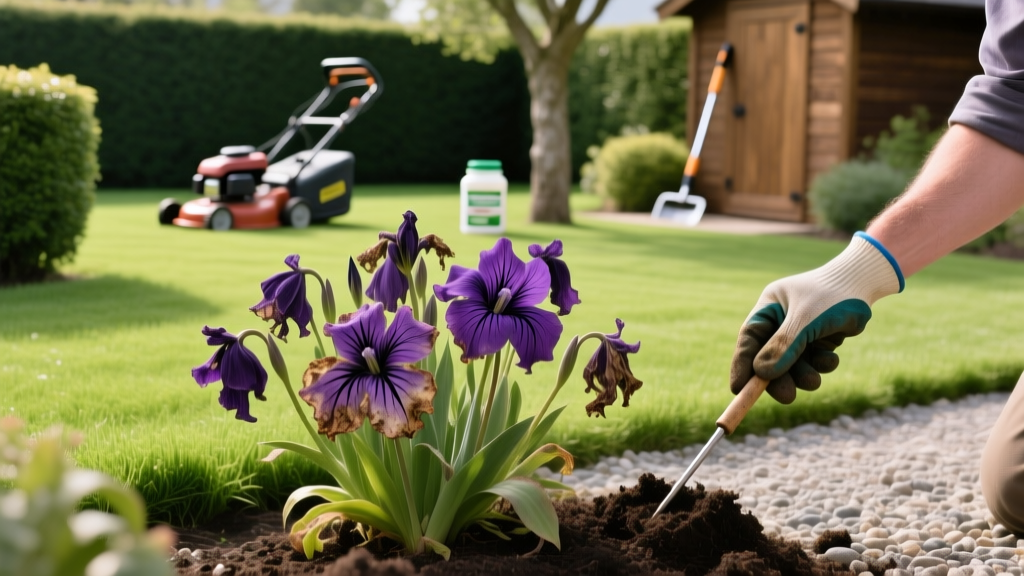
Diagnosing Fading Gothic Flowers: Causes and Proven Solutions
The Core Problem: Why Dark Pigments Fail in the Garden
Cultivating a moody, atmospheric landscape relies heavily on the structural integrity and pigmentation of gothic flowers. Varieties like the Rosa 'Black Baccara', Tulipa 'Queen of Night', and Petunia 'Black Velvet' are prized for their deep, near-black hues. However, these dark pigments are notoriously fragile. When gardeners report their gothic flowers fading, turning muddy brown, or failing to bloom entirely, the issue rarely stems from a single cause. Instead, it is usually a compounding failure of environmental stressors attacking the plant's anthocyanin production.
Anthocyanins are the water-soluble vacuolar pigments that appear red, purple, or black depending on the cellular pH and temperature. In 2026, with spring heatwaves becoming more erratic, thermal degradation of these pigments is the leading cause of color loss in dark-flowering cultivars. Furthermore, improper soil chemistry can lock out the micronutrients required to synthesize these compounds. To save your dark garden aesthetic, you must move beyond basic watering routines and diagnose the specific physiological breakdown occurring in your beds.
Symptom Checker: Diagnosing Your Gothic Flowers
Before applying fertilizers or fungicides, match your plant's visual symptoms to the correct physiological failure. Use the diagnostic matrix below to identify the root cause of your fading blooms.
| Visual Symptom | Probable Cause | Immediate Action Required |
|---|---|---|
| Petal edges turning crispy brown; center remains dark | Thermal scorch and UV degradation | Install 40% shade cloth; increase mulch depth to 3 inches |
| Deep purple blooms fading to washed-out mauve or green | Alkaline soil lockout (pH > 7.0) | Apply elemental sulfur and chelated iron (EDDHA) |
| Black spots on leaves with yellowing margins; premature leaf drop | Fungal blight (Diplocarpon rosae) | Prune affected foliage; apply preventative chlorothalonil fungicide |
| Buds forming but turning black and rotting before opening | Botrytis blight (gray mold) from high humidity | Improve air circulation; reduce overhead watering immediately |
| Stunted growth; leaves pale with dark green veins | Iron chlorosis due to compacted, poorly draining soil | Aerate root zone; apply liquid seaweed and iron sulfate drench |
Deep Dive: Fixing the Top 3 Gothic Flower Killers
1. Heat Stress and Petal Scorch (The 'Brown Edge' Effect)
Dark-colored petals absorb significantly more solar radiation than white or yellow blooms. When ambient temperatures exceed 85°F (29°C), the cellular structure of the petal edges literally cooks, resulting in necrotic brown margins. This is exceptionally common in dark hellebores and black bat flowers (Tacca chantrieri).
Pro Tip: Do not use reflective white mulch around gothic flowers. The reflected UV light will scorch the undersides of the dark foliage. Instead, use dark hardwood bark mulch or black dyed mulch to absorb ground-level heat and reduce light reflection.
The Solution: Deploy a 30% to 50% knitted polyethylene shade cloth during the peak afternoon hours (12 PM to 4 PM). For permanent plantings like the 'Black Baccara' rose, position them where they receive morning sun but are shaded by deciduous trees or structural trellises in the late afternoon. Maintain a strict 3-inch layer of organic mulch to keep the root zone temperature below 75°F (24°C).
2. Alkaline Soil Lockout (The 'Washed Out' Purple)
The near-black appearance of flowers like the 'Queen of Night' tulip or 'Black Velvet' petunia requires high concentrations of cyanidin and delphinidin anthocyanins. These compounds require abundant iron, manganese, and phosphorus to synthesize. In alkaline soils (pH 7.0 and above), these micronutrients become chemically bound and unavailable to the plant roots, resulting in pale, washed-out blooms and interveinal chlorosis.
According to Penn State Extension's soil management guidelines, lowering soil pH is a slow chemical process that requires precise amendments. You cannot fix this with a single application of acidic fertilizer.
The Solution: Test your soil pH. If it reads above 6.5, apply pelletized elemental sulfur at a rate of 1 pound per 100 square feet to drop the pH by approximately one full point over six months. For an immediate visual rescue of fading blooms, apply a foliar spray of chelated iron (specifically the EDDHA chelate, which remains stable in higher pH environments) at a dilution of 1 tablespoon per gallon of water. This bypasses the soil lockout and forces rapid pigment darkening within 7 to 10 days.
3. Fungal Blight vs. Natural Gothic Pigmentation
One of the most common diagnostic errors in dark gardening is confusing natural foliar pigmentation with fatal fungal infections. Many gothic plants, such as Ophiopogon planiscapus 'Nigrescens' (Black Mondo Grass) and certain Heuchera cultivars, naturally develop dark, almost black spots or margins on their leaves as they mature or experience cool-weather stress.
However, true black spot fungus (Diplocarpon rosae) on dark roses presents differently. The Royal Horticultural Society notes that fungal black spot is characterized by irregular, fringed black lesions that rapidly cause the surrounding leaf tissue to turn yellow and drop. Natural pigmentation will not cause the leaf to yellow or abscise.
The Solution: If the dark spots are accompanied by yellowing halos and leaf drop, prune the affected canes immediately, sterilizing your bypass pruners with a 10% bleach solution between every cut. Apply a systemic fungicide containing myclobutanil or a preventative contact fungicide like chlorothalonil. Ensure your gothic roses are spaced at least 3 feet apart to maintain the airflow necessary to dry the dark, heat-absorbing foliage before nightfall.
Varietal Vulnerability Matrix
Not all gothic flowers fail in the same way. Understanding the specific genetic vulnerabilities of your chosen cultivars allows you to preemptively adjust your care regimen.
| Cultivar | Primary Failure Mode | Optimal Soil pH | Preventative Strategy |
|---|---|---|---|
| Rosa 'Black Baccara' | Petal scorch in high UV; black spot fungus | 6.0 - 6.5 | Afternoon shade; proactive fungicide spraying in spring |
| Tulipa 'Queen of Night' | Bulb rot in heavy clay; color fading in heat | 6.0 - 7.0 | Plant 8 inches deep in amended, well-draining grit beds |
| Petunia 'Black Velvet' | Iron chlorosis; root rot from overwatering | 5.5 - 6.2 | Use acidic potting mix; water only when top inch is dry |
| Helleborus 'Onyx and Pearls' | Botrytis blight in wet winters; slug damage | 6.5 - 7.5 | Remove old foliage in December; apply iron phosphate slug bait |
Preventative Maintenance Schedule for Dark Blooms
To maintain the deep, saturated colors of your gothic garden throughout the growing season, implement this targeted maintenance schedule:
- Early Spring (Bud Break): Apply a slow-release, acidifying fertilizer (such as one formulated for azaleas and camellias, typically with an N-P-K ratio of 4-3-4 and added sulfur). This ensures the soil pH remains in the optimal 5.5 to 6.2 range just as the plant begins synthesizing anthocyanins for the upcoming blooms.
- Late Spring (Pre-Bloom): Install structural shade supports. As the sun angle increases, ensure your most delicate dark blooms (like black calla lilies and dark hellebores) are protected from the harsh 2 PM to 5 PM direct sunlight.
- Mid-Summer (Peak Heat): Switch to deep, infrequent watering. Water the root zone directly using drip irrigation to keep moisture off the dark foliage, which heats up rapidly and creates a microclimate perfect for fungal spores. As noted by University of Minnesota Extension experts, keeping the foliage dry is critical for disease prevention in dense, dark-leafed perennials.
- Autumn (Senescence): Clear all fallen debris from gothic rose beds and hellebore patches. Dark leaves decompose slowly and harbor overwintering fungal spores that will reinfect the plant the following spring.
Diagnostic Rule of Thumb: If a dark flower is fading uniformly across the entire petal, suspect soil pH and nutrient lockout. If the flower is crisping, browning at the edges, or developing dry patches, suspect thermal scorch and UV damage. Treat the symptom you see, not the one you assume.
By shifting your perspective from basic cultivation to active physiological diagnosis, you can rescue fading gothic flowers and maintain the intense, moody saturation that defines a true dark garden. Monitor your soil chemistry, manage the microclimate, and your black and purple blooms will thrive despite environmental stressors.

