
Gardening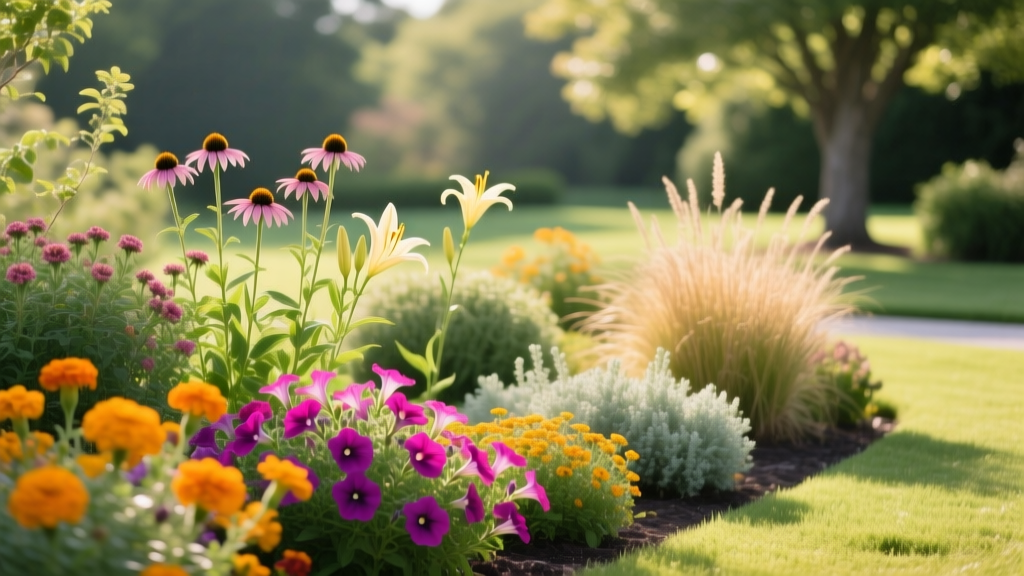
What's the Difference Between Annuals and Perennial Plants?
The Botanical Divide: Monocarpic vs. Polycarpic Lifecycles
When gardeners ask what's the difference between annuals and perennial plants, the answer begins at the cellular level with how a plant allocates its energy. True annuals are monocarpic, meaning they flower once, set seed, and die within a single growing season. Their entire biological imperative is rapid vegetative growth followed by massive seed production. Perennials, conversely, are polycarpic. They flower multiple times over several years, requiring them to balance energy between reproduction and storing carbohydrates in their root systems for winter dormancy.
Understanding this biological distinction dictates everything from your soil preparation depth to your long-term garden budget. According to the University of Minnesota Extension, mixing these two categories correctly is the foundation of a resilient landscape that provides continuous color without requiring total replanting every spring.
Annuals: High-Impact, Shallow-Rooted Sprinters
Because annuals like Zinnias (Zinnia elegans), Marigolds (Tagetes patula), and Sunflowers (Helianthus annuus) do not need to survive winter, they invest almost zero energy into deep, structural root systems. Their roots typically remain in the top 4 to 6 inches of soil. This makes them highly dependent on frequent, shallow watering and regular applications of water-soluble fertilizers (like a 20-20-20 NPK ratio applied every 14 days) to sustain their relentless bloom cycles.
The 'Tender Perennial' Misclassification
A critical piece of information often missing from basic garden center tags is that many plants sold as annuals in northern climates are actually herbaceous perennials or woody shrubs in their native habitats. Coleus (Plectranthus scutellarioides), Geraniums (Pelargonium), and Lantana are hardy perennials in USDA Zones 9 through 11. They only act as annuals in Zones 3 through 8 because winter frost kills their above-ground tissue and shallow roots before they can enter true dormancy. If you live in a colder zone, you can overwinter these 'tender perennials' indoors in a cool (45°F to 50°F), brightly lit space, saving you the cost of repurchasing them next spring.
Perennials: Deep-Rooted, Long-Term Investments
Perennials like Coneflower (Echinacea purpurea), Hostas (Hosta spp.), and Peonies (Paeonia lactiflora) play the long game. Their survival strategy relies on extensive root networks—often reaching 12 to 24 inches deep, or featuring massive taproots like those of Baptisia. This depth grants established perennials superior drought tolerance and access to deep-soil micronutrients that annuals simply cannot reach.
The Vernalization Requirement
Unlike annuals, which bloom based on day length and maturity, many temperate perennials require vernalization—a mandatory period of cold dormancy to trigger flowering. For example, herbaceous peonies require between 400 and 500 chill hours (temperatures below 40°F) to break bud and bloom the following spring. The Royal Horticultural Society (RHS) notes that planting high-chill perennials in warm winter zones (Zone 9+) will result in lush foliage but a complete failure to bloom, a common frustration for gardeners who do not check chill-hour requirements before buying.
5-Year Cost and Maintenance Matrix
To truly grasp what's the difference between annuals and perennial plants from a practical standpoint, you must look at the 5-year financial and labor investment for a standard 100-square-foot garden bed.
| Metric | 100% Annual Bed | 100% Perennial Bed |
|---|---|---|
| Year 1 Plant Cost | $200 - $300 (50+ 4-inch pots @ $4-$6 each) | $450 - $700 (30 1-gallon pots @ $15-$25 each) |
| Soil & Amendment Needs | High: Requires 2 inches of fresh compost yearly | Moderate: Initial amendment, then top-dressing every 2 years |
| Watering Frequency | Daily to every other day in peak summer | Deep watering 1x per week once established (Year 2+) |
| Year 2-5 Plant Cost | $200 - $300 annually (Total replanting required) | $0 - $50 (Only replacing dead divisions) |
| 5-Year Total Cost | $1,200 - $1,800+ | $600 - $900 |
Design Framework: The 70/30 Succession Strategy
Rather than segregating your garden into 'annual beds' and 'perennial beds', professional landscape designers use a layered succession framework. The most effective ratio for continuous color with minimal labor is the 70/30 rule: 70% structural perennials and 30% seasonal annuals.
- The 70% Perennial Backbone: Use long-lived, disease-resistant perennials for structure. Plant them in drifts of 3 or 5. Examples: Rudbeckia fulgida 'Goldsturm' (Black-Eyed Susan) or Salvia nemorosa 'May Night'.
- The 30% Annual Infill: Use annuals to fill the 'bloom gaps' when perennials are dormant or between flowering flushes. Fast-growing annuals like Alyssum (Lobularia maritima) or trailing Calibrachoa can be tucked into the foreground to hide dying perennial foliage (like the yellowing leaves of daffodils in late spring).
Pro-Tip: Microclimate Manipulation
You can extend the lifespan of cool-season annuals (like Pansies and Snapdragons) by planting them in the 'rain shadow' and shade of larger, established perennials. The perennial canopy reduces soil temperature by up to 8°F, delaying the heat-stress that causes annuals to bolt to seed in early summer.
You can extend the lifespan of cool-season annuals (like Pansies and Snapdragons) by planting them in the 'rain shadow' and shade of larger, established perennials. The perennial canopy reduces soil temperature by up to 8°F, delaying the heat-stress that causes annuals to bolt to seed in early summer.
Frequently Asked Questions
Do perennials bloom all summer like annuals?
Rarely. Most herbaceous perennials have a specific bloom window lasting 3 to 6 weeks. To achieve all-summer color with perennials, you must practice succession planting—selecting early bloomers (Bleeding Heart), mid-season bloomers (Coneflower), and late bloomers (Asters). Annuals, however, are bred to bloom continuously from planting until the first hard frost.
Can I save seeds from my annuals for next year?
You can save seeds from open-palinated, heirloom annuals like 'Mexican Marigolds' or 'Cosmos'. However, many modern annuals sold in garden centers are F1 hybrids. Seeds saved from F1 hybrids will not grow true to the parent plant; they often revert to weaker, less vibrant genetic traits. For reliable results, purchase fresh F1 hybrid seed or plugs each spring.
What are biennials, and how do they fit in?
Biennials, such as Foxglove (Digitalis purpurea) and Hollyhocks (Alcea rosea), have a two-year lifecycle. In year one, they produce only a low rosette of foliage and build root reserves. In year two, they send up a massive flower spike, set seed, and die. They bridge the gap between annuals and perennials and are excellent for adding dramatic vertical height to the back of a mixed border.

