
Gardening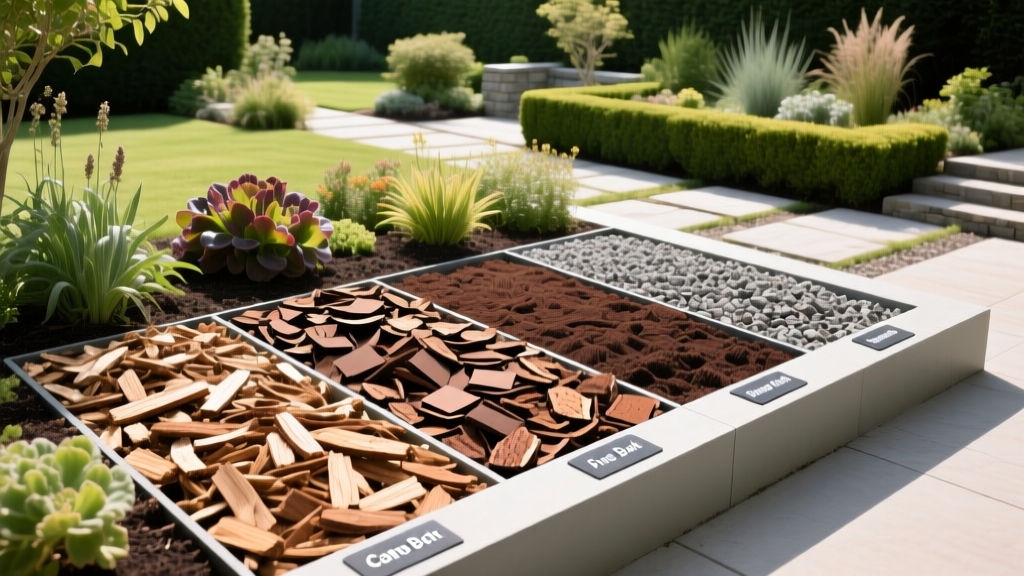
Choosing Between Different Kinds of Mulch for Garden Beds
The Science and Strategy of Mulch Selection
Mulch is not merely a cosmetic top dressing; it is a critical microclimate manager for your soil. The right mulch regulates soil temperature, reduces evaporation by up to 70%, and suppresses weed seed germination by blocking photosynthesis. However, selecting from the different kinds of mulch available at your local landscape supplier requires matching the material's physical properties to your specific garden beds, soil type, and maintenance tolerance. As landscaping material costs have stabilized in 2026, homeowners have a wider array of premium and bulk options available, making it essential to understand the exact return on investment for each type.
According to Penn State Extension, the primary error homeowners make is applying the wrong mulch for their specific horticultural goals—such as using high-carbon wood chips in a nutrient-demanding vegetable garden, or using heat-retaining dark mulch around shallow-rooted alpine plants. Below, we break down the exact specifications, costs, and failure modes of the most common mulches.
Organic Mulches: The Soil Builders
Organic mulches decompose over time, adding humus to the soil, improving cation exchange capacity (CEC), and feeding the soil food web. They require annual or biennial replenishment.
1. Shredded Hardwood and Bark Mulch
Shredded hardwood is the most ubiquitous landscape mulch. Its interlocking fibers make it highly resistant to washing away on sloped beds.
- Cost: $30 to $45 per cubic yard (bulk).
- Decay Rate: 1 to 2 years, depending on local humidity and microbial activity.
- Best Use: Perennial beds, shrub borders, and sloped landscapes.
- Failure Mode: "Artillery fungus" (Sphaerobolus stellatus) thrives in moist, decaying hardwood mulch and can shoot tar-like spores onto nearby vinyl siding, which are nearly impossible to remove without damaging the siding.
2. Pine Straw (Longleaf Pine Needles)
Pine straw is lightweight, highly porous, and allows water to penetrate rapidly. A common myth is that pine straw significantly lowers soil pH; while fresh needles are slightly acidic, they neutralize as they decompose, having a negligible impact on established soil pH.
- Cost: $7 to $12 per bale (covers roughly 40-50 sq ft at 3 inches deep).
- Decay Rate: 2 to 3 years.
- Best Use: Acid-loving plants (azaleas, blueberries), large woodland gardens, and erosion control on steep banks.
3. Arborist Wood Chips
Rough, uncomposted wood chips sourced from local tree trimming services. They are bulky and break down very slowly.
- Cost: Often free from local arborists, or $15 to $20 per cubic yard from landscape yards.
- Decay Rate: 3 to 5 years.
- Best Use: Tree rings, informal pathways, and large naturalized areas.
Expert Insight: The "Nitrogen Robbing" Myth
The carbon-to-nitrogen (C:N) ratio of fresh arborist wood chips is roughly 400:1. When applied to the surface, soil microbes only decompose the bottom millimeter where the wood meets the soil, leaving the underlying soil nitrogen untouched. However, if you till or mix wood chips into the soil, microbes will consume massive amounts of available nitrogen to break down the carbon, causing severe nitrogen deficiency and stunting plant growth. Always keep coarse wood chips strictly on the surface.
4. Leaf Mold and Finished Compost
While technically more of a top-dressing than a traditional mulch, a 1-inch layer of finished compost followed by a heavier mulch provides immediate nutrient availability. Compost has a C:N ratio of roughly 20:1, meaning it actively releases nitrogen into the soil as it is consumed by earthworms and microbes.
Inorganic Mulches: The Permanent Solutions
Inorganic mulches do not improve soil structure or feed microbes. They are chosen for permanence, drainage, and specific aesthetic designs.
1. River Rock and Crushed Gravel
Stone mulches provide excellent drainage and are ideal for xeriscaping, rock gardens, and dry creek beds. However, they absorb and radiate solar heat, which can scorch the foliage of delicate plants and raise the ambient temperature of the immediate microclimate by up to 10°F.
- Cost: $150 to $250 per ton (1 ton covers roughly 100 sq ft at 2 inches deep).
- Failure Mode: The most common landscaping error is laying river rock over woven geotextile landscape fabric. Within two years, wind-blown dirt and decomposing leaves accumulate on top of the fabric. Weed seeds germinate in this new topsoil layer, and their roots penetrate the fabric, making removal impossible without tearing the geotextile and mixing soil into the rock.
2. Rubber Mulch
Made from recycled tires, rubber mulch is heavily marketed for playgrounds due to its shock absorption. It should never be used in garden beds. As it degrades under UV exposure, it leaches zinc, cadmium, and volatile organic compounds (VOCs) into the soil, which are highly toxic to many plant species and soil microbes.
Comparison Matrix: Different Kinds of Mulch
| Mulch Type | Est. Cost (Bulk) | Lifespan | Weed Suppression | Best Application |
|---|---|---|---|---|
| Shredded Hardwood | $30-$45 / cu yd | 1-2 Years | Excellent | Perennial & Shrub Beds |
| Pine Straw | $7-$12 / bale | 2-3 Years | Good | Slopes & Acid-Lovers |
| Arborist Wood Chips | Free - $20 / cu yd | 3-5 Years | Moderate | Tree Rings & Pathways |
| River Rock (1-2 inch) | $150-$250 / ton | Permanent | Poor (over time) | Xeriscaping & Drainage |
| Cocoa Bean Hulls | $50-$70 / cu yd | 1 Year | Good | Small ornamental beds (Warning: Toxic to dogs) |
The Application Framework: Depth, Edging, and Pre-Emergents
Choosing the right material is only half the battle. Improper application of the different kinds of mulch can lead to root rot, rodent infestations, and plant death. Follow these precise application protocols for optimal results.
1. Calculate Exact Volume Requirements
Do not guess your yardage. One cubic yard of mulch covers exactly 100 square feet at a 3-inch depth. To calculate your needs: multiply your bed's length (ft) x width (ft) x desired depth (in inches), then divide by 324. This yields the exact cubic yards required, preventing the common issue of over-ordering or leaving beds under-covered.
2. The 3-Inch Rule and the "Volcano" Prohibition
Organic mulch must be applied at a uniform depth of 2.5 to 3 inches. Any thinner, and weed seeds will penetrate; any thicker, and you restrict oxygen and water exchange to the soil profile.
Warning: Never pile mulch against the trunk of a tree or the crown of a shrub—a practice known as "volcano mulching." This keeps the bark perpetually moist, inviting fungal pathogens like Phytophthora and providing winter habitat for bark-girdling voles. Maintain a strict 3-inch "donut" of bare soil around the base of all woody plants. The University of Wisconsin-Madison Extension specifically cites volcano mulching as a leading cause of premature urban tree decline.
3. Pre-Emergent Herbicide Integration
For maximum weed suppression in organic mulch beds, apply a granular pre-emergent herbicide (such as trifluralin or prodiamine) directly to the bare soil before spreading the mulch in early spring. Water it in to activate the chemical barrier, then apply your 3 inches of mulch. This dual-layer defense stops both soil-borne weed seeds and wind-blown seeds from establishing.
4. Refreshing vs. Replacing
When maintaining existing organic mulch beds, do not simply add 3 new inches on top of the old, decomposed layer every year. This creates a hydrophobic, matted layer that repels water. Instead, use a steel landscape rake to aggressively break up and fluff the existing matted layer (a process called "cultivating" the mulch), remove any excess buildup to maintain the 3-inch total depth, and then apply a thin 1-inch top-dressing of fresh mulch to restore the aesthetic color.
By matching the specific biological and physical traits of these different kinds of mulch to your garden's unique topography and plant palette, you transition from merely decorating your landscape to actively engineering a resilient, self-sustaining soil ecosystem.

