
Gardening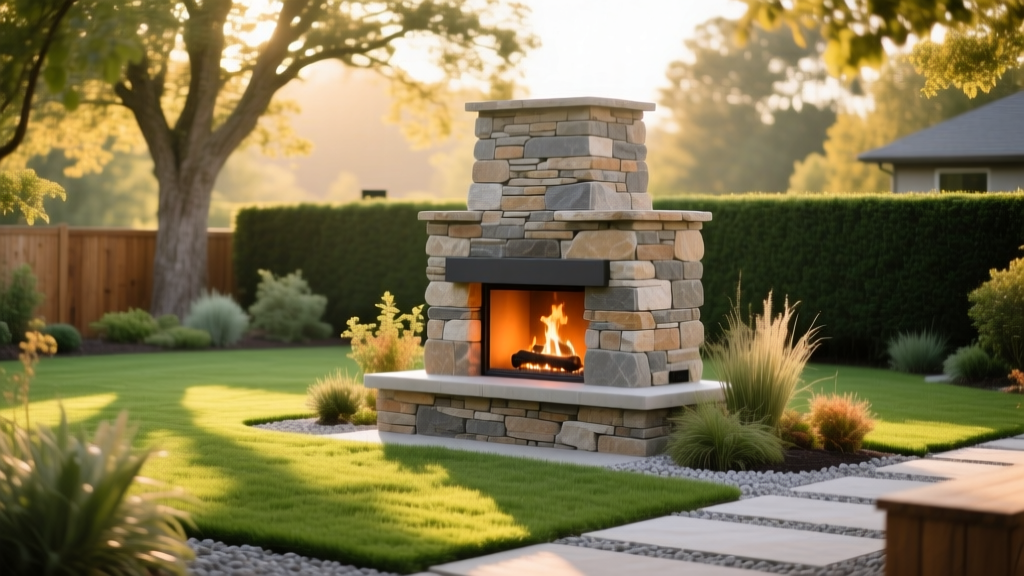
Best Backyard Fireplace Ideas: A Practical Planning and Build Guide
Designing an outdoor hearth requires balancing aesthetic vision with strict thermodynamic and structural realities. Unlike indoor units, outdoor fireplaces face wind shear, freeze-thaw cycles, and moisture intrusion. This guide breaks down practical backyard fireplace ideas, providing the exact dimensions, material specifications, and construction frameworks needed to execute a durable, code-compliant build.
The Decision Matrix: Wood-Burning vs. Gas vs. Bioethanol
Before selecting a design, you must choose the fuel source. This dictates your clearance requirements, base preparation, and ongoing maintenance. According to the EPA guidelines on wood smoke, wood-burning units require specific airflow management to prevent particulate pooling in seating areas.
| Feature | Wood-Burning Masonry | Natural Gas / Propane | Bioethanol |
|---|---|---|---|
| Heat Output | 40,000 - 100,000+ BTU | 30,000 - 80,000 BTU | 2,000 - 6,000 BTU |
| Base Requirement | Reinforced concrete slab | Standard patio or slab | Any level surface |
| Utility Needs | None | Gas line & electrical (for spark) | None |
| Maintenance | Ash removal, chimney sweeping | Annual gas line & log inspection | Refill fuel trays |
| Wind Resistance | High (enclosed firebox) | Moderate (flame can blow out) | Low (requires glass guard) |
5 Practical Backyard Fireplace Ideas for Different Yard Layouts
1. The Corner Masonry Anchor (L-Shaped Patios)
For L-shaped seating areas, a corner masonry fireplace acts as a structural anchor. Build a 48-inch wide by 36-inch deep base using CMU (concrete masonry units) veneered with natural stone. The firebox opening should be 28 inches wide by 24 inches high. This geometry traps radiant heat and directs it into the primary seating quadrant, minimizing heat loss to the open yard.
2. The Freestanding Corten Steel Woodburner (Modern Minimalist)
Corten steel (weathering steel) develops a stable, rust-like patina that protects the core from further corrosion. A freestanding Corten woodburner with a 10-foot tapered flue requires zero masonry. It sits on a 6-inch compacted gravel pad and offers a striking, industrial contrast to softscaping. Ensure the steel is at least 3/16-inch thick to prevent warping under high thermal loads.
3. The Built-In Gas Insert with Stucco Surround
Ideal for Mediterranean or traditional landscapes, a pre-fabricated gas insert framed with wood and wrapped in wire lath and three-coat stucco provides a seamless look. Use a direct-vent gas insert rated for outdoor use to prevent wind from extinguishing the pilot. Cap the surround with a 2-inch thick limestone or cast-concrete mantel to protect the stucco from water intrusion.
4. The Dual-Sided See-Through Fireplace
Use a see-through gas fireplace to divide a large patio into two distinct zones (e.g., a dining area and a lounge area). These units require a central structural column. Frame the column with steel studs and wrap it in cement board and stone veneer. Ensure the gas valve and control module are housed in a ventilated, weatherproof access panel on the non-combustible side of the column.
5. The Chiminea on a Compacted Gravel Pad
For small yards or tight budgets, a cast-iron or clay chiminea offers localized radiant heat. Do not place clay chimineas directly on grass or wood decks. Create a 4-foot by 4-foot pad using 4 inches of compacted crushed gravel topped with slate flagstones. This prevents soil moisture from wicking into the clay base, which causes catastrophic cracking during the first fire.
⚠️ Code Compliance Warning: According to the NFPA 211 Standard, outdoor wood-burning chimneys must maintain a minimum 10-foot clearance from any combustible overhangs, pergolas, or tree canopies. Always call 811 to locate underground utilities before excavating for a masonry base.
Step-by-Step: Siting and Base Preparation
- Wind Analysis: Spend three evenings observing wind patterns in your yard. Orient the firebox opening away from prevailing winds to prevent smoke blowback into the seating area.
- Utility Locates: Call 811 at least 3 business days before digging to mark gas, water, and electrical lines.
- Excavation: Dig down 8 inches below grade for the footprint of the fireplace plus a 12-inch perimeter.
- Sub-Base: Fill the trench with 4 inches of 3/4-inch crushed stone and compact it with a plate compactor to 95% Proctor density.
- Forming and Pouring: Build wooden forms and pour a 4-inch thick concrete slab reinforced with a #4 rebar grid on 16-inch centers. Trowel to a smooth finish and cure for 7 days before laying masonry.
Material Deep Dive: What You Actually Need to Buy
The most common reason outdoor fireplaces fail within the first two years is the use of interior-grade materials. Outdoor units must withstand rapid temperature fluctuations and moisture.
- Firebrick: Use ASTM C27 Grade A firebrick for the inner firebox. Standard red clay bricks will spall and explode when exposed to direct 1,200°F flames.
- Mortar: Use ASTM C199 refractory mortar (such as Rutland High-Temp Silicone or Quikrete Refractory Cement) for all firebox joints. Standard Type S mortar will crack and crumble under thermal expansion.
- Flue Liner: Use a 304-grade stainless steel or high-fire clay flue liner. The flue cross-sectional area must be at least 1/10th the area of the firebox opening for round flues, or 1/8th for rectangular flues, to ensure proper draft.
- Veneer Sealant: Apply a breathable siloxane-based masonry sealer to the exterior stone or brick to prevent efflorescence and freeze-thaw spalling.
Cost Breakdown: 2026 Pricing Expectations
Budgeting accurately requires accounting for both materials and specialized labor. The Hearth, Patio & Barbecue Association (HPBA) notes that outdoor living projects have seen material cost stabilization in 2026, but masonry labor rates remain high.
| Project Type | Material Cost | Labor Cost | Total Estimated Range |
|---|---|---|---|
| Custom Masonry Wood-Burning | $3,500 - $6,000 | $5,500 - $9,000 | $9,000 - $15,000 |
| Pre-Fab Gas Insert w/ Stucco | $2,500 - $4,000 | $1,500 - $2,500 | $4,000 - $6,500 |
| Freestanding Corten Steel | $1,500 - $3,000 | $300 - $600 | $1,800 - $3,600 |
| Cast-Iron Chiminea Setup | $400 - $800 | $0 (DIY) | $400 - $800 |
Common Failure Modes and How to Avoid Them
Smoke Blowback (Downdrafts)
The Problem: Smoke spills out of the firebox into the patio instead of drafting up the chimney.
The Fix: This is usually caused by an undersized flue or a chimney that is too short. Ensure the chimney extends at least 2 feet higher than any roofline or fence within 10 feet. Install a stainless steel flue cap with a built-in draft inducer to counteract crosswinds.
Masonry Spalling and Efflorescence
The Problem: The face of the bricks chips off, or white, powdery salt deposits ruin the stone veneer.
The Fix: Spalling occurs when moisture enters the masonry, freezes, and expands. Never use a non-breathable acrylic sealer, which traps moisture inside. Use a penetrating silane/siloxane sealer that allows water vapor to escape while blocking liquid water ingress.
Gas Line Condensation Corrosion
The Problem: Black pipe (standard steel gas pipe) rusts through when buried or exposed to outdoor humidity.
The Fix: Never use black pipe outdoors. Use CSST (Corrugated Stainless Steel Tubing) or schedule 40 PVC-coated copper lines, and ensure all fittings are wrapped in petroleum-based anti-corrosion tape.
Frequently Asked Questions
Do I need a permit for an outdoor fireplace?
Yes, in most municipalities. Permanent masonry structures and hard-piped gas lines require building and mechanical permits. Freestanding, portable wood-burning units (like chimineas) typically do not require permits but are subject to local burn bans and setback ordinances.
Can I build a wood-burning fireplace under a pergola?
Only if the pergola is constructed entirely of non-combustible materials (like steel or aluminum) or if the chimney extends a minimum of 3 feet above the pergola roofline to prevent heat and ember accumulation. Always verify local zoning setbacks.

