
Gardening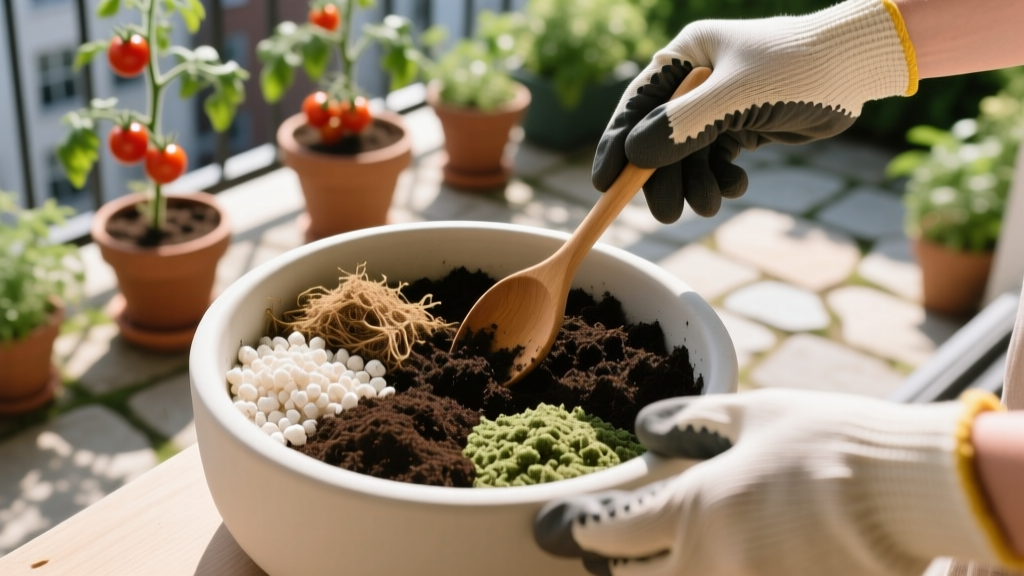
DIY Potting Soil for Tomatoes: The Ultimate Container Mix Guide
The Science Behind Tomato Root Zones in Containers
Growing tomatoes in containers presents a unique physiological challenge: you are attempting to support a heavy-feeding, deep-rooted perennial (grown as an annual) within a confined, artificial environment. Standard garden soil or cheap, peat-heavy commercial potting mixes fail because they lack the necessary air-filled porosity (AFP). According to Penn State Extension, tomato roots require an AFP of at least 20% to 25% to facilitate the oxygen diffusion necessary for nutrient uptake and root respiration. When soil compacts in a pot, the roots suffocate, leading to stunted growth, poor water uptake, and increased susceptibility to soil-borne pathogens like Pythium (root rot).
Furthermore, tomatoes are notorious calcium consumers. A lack of consistent moisture and calcium transport directly results in Blossom End Rot (BER), a physiological disorder that ruins the bottom of the fruit. Crafting a custom potting soil for tomatoes isn't just about providing a medium to hold the plant upright; it is about engineering a high-cation-exchange-capacity (CEC) reservoir that buffers nutrients, retains moisture without waterlogging, and maintains a slightly acidic pH of 6.2 to 6.8.
The Ultimate DIY Potting Soil for Tomatoes Recipe
Forget the 1:1:1 generic recipes. A high-performance container tomato mix requires a balance of water retention, structural drainage, and slow-release biology. The following recipe yields approximately 3 cubic feet of premium growing medium, enough to fill two 15-gallon fabric grow bags.
The Master Mix Ratios (By Volume)
- 40% Buffered Coco Coir: Provides superior moisture retention and a high CEC. Always use buffered coir (like Canna Coco or Mother Earth) to prevent calcium and magnesium lockout caused by naturally occurring sodium and potassium.
- 30% High-Quality Compost or Worm Castings: Supplies the biological engine. Brands like Uncle Jim’s Worm Farm castings provide dense microbial life and humic acids.
- 20% Coarse Perlite (#3 or #4 grade): Standard #2 perlite is too fine and floats to the top. Coarse grades (like Hoffman or Vigoro premium) create permanent macro-pores for deep drainage.
- 10% Pine Bark Fines: Adds structural weight to prevent top-heavy indeterminate varieties from blowing over, while slowly breaking down to feed fungi.
Essential Amendments (Per 3 Cubic Feet of Mix)
Base ingredients provide structure, but amendments provide the chemistry. For every 3 cubic feet of the master mix above, thoroughly blend in the following:
- 1 Cup Dolomitic Lime: Crucial for buffering the pH of the coir and providing a slow-release source of calcium and magnesium to prevent BER.
- 2 Cups Espoma Tomato-tone (3-4-6): An organic, granular fertilizer that includes 8% calcium and a specific microbial strain blend tailored for solanaceous crops.
- 1/2 Cup Kelp Meal: Provides over 60 trace minerals and natural cytokinins to stimulate vigorous early root branching.
- 1/4 Cup Bone Char (Optional): Adds a long-term phosphorus reserve to support heavy flowering and fruit set in late summer.
Step-by-Step Mixing and Hydration Protocol
Coco coir and peat can become hydrophobic (water-repellent) if mixed dry. Proper hydration during the mixing phase is non-negotiable for uniform moisture distribution.
- Pre-hydrate the Coir: If using compressed coir bricks, hydrate them in a wheelbarrow 24 hours before mixing. The material should feel like a wrung-out sponge, not dripping wet.
- Combine Dry Amendments: In a separate bucket, mix the dolomitic lime, Tomato-tone, kelp meal, and bone char. This prevents localized hot spots of fertilizer that could burn young taproots.
- Layer and Fold: Add the compost, pine bark fines, and coarse perlite to the wheelbarrow. Sprinkle the dry amendment blend over the top.
- The Tarp Roll Method: Instead of using a shovel, which is labor-intensive and uneven, grab opposite corners of a heavy-duty tarp and pull them toward the center, rolling the soil mixture over itself. Repeat from all four sides for 5 minutes until the color and texture are entirely uniform.
Commercial vs. DIY: Cost and Performance Matrix
As of 2026, the cost of premium commercial potting soils has risen significantly due to supply chain pressures on peat and perlite. Here is how our DIY potting soil for tomatoes compares to top-tier commercial alternatives.
| Metric | DIY Master Mix | FoxFarm Ocean Forest | Miracle-Gro Moisture Control |
|---|---|---|---|
| Estimated Cost (Per Cu. Ft.) | $11.50 - $14.00 | $26.00 - $32.00 | $16.00 - $19.00 |
| Air-Filled Porosity (AFP) | ~25% (Excellent) | ~15% (Moderate) | ~10% (Poor over time) |
| Calcium Content | High (Buffered + Lime) | Low (Requires amendment) | Low (Prone to BER) |
| Longevity Before Compaction | 1 Full Season+ | 1 Full Season | Mid-season slump |
Container Sizing and Soil Volume Requirements
Matching your soil volume to the tomato variety is critical. University of Minnesota Extension notes that indeterminate varieties possess massive, sprawling root systems that will quickly become root-bound in undersized containers, leading to heat stress and fruit drop during July and August heatwaves.
| Tomato Type | Minimum Pot Size | Soil Volume Needed | Recommended Varieties |
|---|---|---|---|
| Determinate / Patio | 5 to 7 Gallons | 0.75 - 1.0 Cu. Ft. | Bush Early Girl, Patio Princess |
| Dwarf Indeterminate | 10 Gallons | 1.5 Cu. Ft. | Tiny Tim, Red Robin |
| Standard Indeterminate | 15 to 20 Gallons | 2.0 - 2.8 Cu. Ft. | Cherokee Purple, Sungold, Brandywine |
Pro Tip for Fabric Bags: If using 15-gallon fabric grow bags (like GeoPot or Smart Pot), place them on a bed of 2 inches of coarse wood chips or a specialized pot-feeder tray. This creates an air-pruning gap at the bottom, preventing taproots from circling and forcing the plant to develop a dense, fibrous lateral root network inside the bag.
Mid-Season Maintenance: Feeding and Moisture Management
Even the best DIY potting soil for tomatoes will exhaust its initial nutrient charge by week eight of active fruiting. Tomatoes are potassium-hungry during the ripening phase.
The Week-8 Top Dressing Protocol
When the first fruits reach the size of a golf ball, scratch the top inch of soil and apply:
- 1/2 cup Worm Castings
- 1/4 cup Sulfate of Potash (0-0-50) or Langbeinite (Sul-Po-Mag) to boost sugar content (Brix levels) in the fruit without adding excess nitrogen, which promotes leafy growth at the expense of tomatoes.
Hydration Strategies to Prevent Splitting
Inconsistent watering causes the fruit's interior to expand faster than the skin, resulting in radial cracking. Because our DIY mix utilizes 40% coir, it holds water exceptionally well but requires a specific watering technique. Water deeply until you see a 10% runoff from the bottom of the container. This 10% runoff is vital—it flushes out accumulated fertilizer salts that can otherwise reach toxic levels and burn root tips in a closed container system.
"Container tomatoes require a delicate balance. The growing medium must act as a sponge for water and a sieve for excess salts. Without adequate leaching fraction (runoff), soluble salts from synthetic or heavy organic fertilizers will rapidly accumulate to phytotoxic levels."
By engineering your own potting soil for tomatoes, you bypass the compromises of mass-produced bagged mixes. You gain precise control over calcium availability, structural drainage, and biological activity, setting the stage for a harvest that rivals traditional in-ground gardening.