
Gardening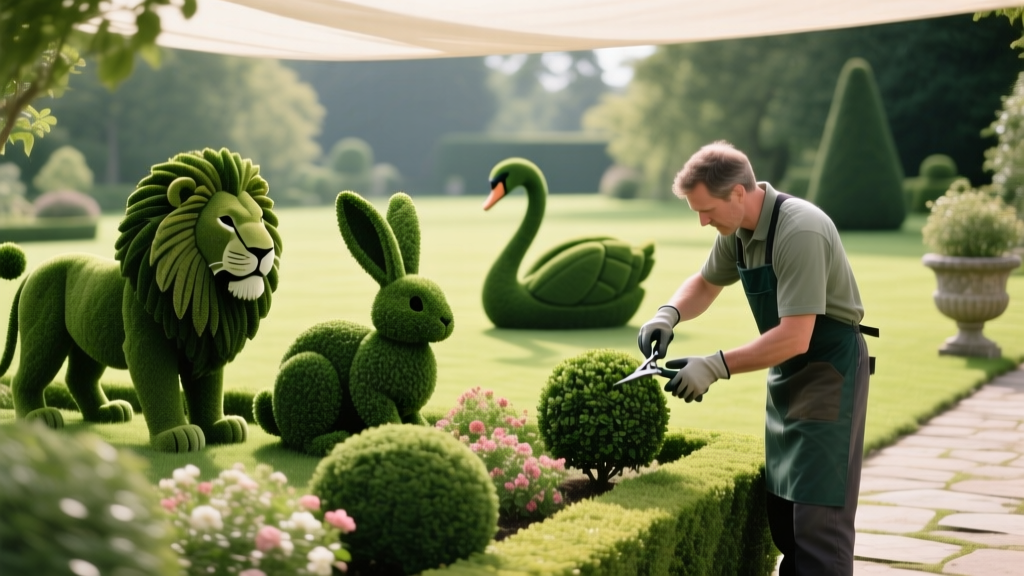
Topiary Animals: How to Make From Plants and Flowers Step-by-Step
Understanding Living vs. Floral Topiary Sculptures
Creating topiary animals transforms standard garden spaces into living art galleries. When learning topiary animals how to make from plants and flowers, you must first choose between two distinct methodologies: living plant topiary (a long-term horticultural project using rooted cuttings and moss) and floral topiary (a short-term decorative technique using cut flowers and oasis foam). According to Clemson University Extension, living topiary requires structural integrity and precise moisture management, while floral topiary prioritizes immediate visual impact for events. This guide provides exact specifications, material grades, and step-by-step protocols for both approaches.
Material Selection: Frames, Moss, and Fasteners
The skeleton of your topiary animal dictates its lifespan and structural stability. Do not use standard craft wire; it will oxidize and snap under the weight of wet moss and mature root systems.
| Material | Specification / Grade | Best Use Case | Estimated Cost (2026) |
|---|---|---|---|
| Chicken Wire | 19-gauge, 1-inch hexagonal galvanized | Custom DIY shapes, large animals (bears, elephants) | $15 - $25 per 25ft roll |
| Pre-formed Steel Frames | Powder-coated carbon steel, 4mm thickness | Complex shapes (swans, giraffes) requiring exact symmetry | $45 - $120 per frame |
| Sphagnum Moss | Long-fiber (Chilean or New Zealand), NOT peat | Stuffing medium (holds 20x its weight in water) | $18 - $30 per 1lb brick |
| Landscape Staples | 6-inch U-pins, 11-gauge steel | Securing moss, pinning trailing vines to the frame | $12 per 50-pack |
Expert Tip: Always wear heavy-duty leather welding gloves when cutting and shaping 19-gauge chicken wire. The cut ends are exceptionally sharp and will easily puncture standard gardening gloves. Use wire cutters to trim edges, then fold the final 1/2 inch of wire inward using needle-nose pliers to create a safe, blunt edge.
Selecting the Best Plants for Living Topiary
The success of a living topiary animal hinges on selecting plants with small leaves, dense branching habits, and high tolerance for frequent shearing. The Royal Horticultural Society recommends species that naturally exhibit compact internodal spacing. Avoid large-leafed plants like standard Ficus elastica, which leave unsightly gaps when pruned.
Top Plant Profiles for Wire Frames
- Creeping Fig (Ficus pumila): The gold standard for indoor and greenhouse topiary. Features 1-inch heart-shaped leaves. Requires high humidity and indirect light. Roots aggressively into sphagnum moss within 14-21 days when treated with IBA rooting hormone.
- English Ivy (Hedera helix): Ideal for outdoor topiary in USDA Zones 4-9. Select juvenile cuttings, as mature ivy will flower and lose its clinging habit. Tolerates heavy shearing.
- Baby Tears (Soleirolia soleirolii): Perfect for small-scale tabletop animals (under 12 inches). Requires constant moisture and will crisp up within hours if the moss dries out.
- Sedum (Sedum japonicum 'Tokyo Sun'): Excellent for outdoor, drought-tolerant topiary. Provides vibrant golden-yellow foliage that contrasts beautifully with dark green moss.
Step-by-Step: Building a Living Plant Topiary Animal
Follow this exact sequence to ensure proper drainage, root establishment, and structural longevity.
- Prepare the Moss: Submerge long-fiber sphagnum moss in a bucket of water mixed with a wetting agent (1 drop of dish soap per gallon) for 30 minutes. Squeeze out excess water until it feels like a damp sponge. Wet moss is heavy; packing it dry will result in hydrophobic pockets that kill plant roots.
- Stuff the Frame: Working from the bottom up, pack the damp moss tightly into your wire frame. Use a wooden dowel to push moss into extremities (ears, tails, snouts). The frame should feel rock-hard when squeezed. If it yields, add more moss.
- Prepare the Cuttings: Take 3-inch tip cuttings from your chosen plant. Remove the bottom two sets of leaves. Dip the basal 1/2 inch into a liquid rooting hormone containing 0.1% IBA and 0.05% NAA (such as Dip 'N Grow).
- Plant the Cuttings: Use a wooden dibber or a pencil to poke holes through the wire and into the moss, spaced 1.5 to 2 inches apart. Insert the cuttings, ensuring the node is buried. Gently press the moss around the stem to eliminate air pockets.
- Secure and Stabilize: Wrap the stuffed frame with 20-lb test monofilament fishing line or biodegradable jute twine in a spiral pattern to hold the moss firmly against the wire while roots establish.
Warning: Root Rot Prevention
Never allow the bottom 3 inches of a moss-stuffed topiary frame to sit in a saucer of standing water. Sphagnum moss acts as a massive wick. Elevate the base on 2-inch terracotta pot feet to ensure airflow and prevent anaerobic bacterial growth at the root zone.
Never allow the bottom 3 inches of a moss-stuffed topiary frame to sit in a saucer of standing water. Sphagnum moss acts as a massive wick. Elevate the base on 2-inch terracotta pot feet to ensure airflow and prevent anaerobic bacterial growth at the root zone.
The Floral Alternative: Cut Flower Oasis Topiary
If you need an instant topiary animal for a wedding, corporate event, or short-term display, the floral foam method bypasses the months-long rooting process. This technique uses hydrated floral foam and fresh-cut blooms.
Execution Protocol for Floral Topiary
Start with a pre-formed metal frame designed specifically for floral foam (these feature internal crossbars to hold foam blocks). Soak Oasis Floral Foam bricks in a bucket of water mixed with floral preservative (e.g., FloraLife) until they sink naturally—never force them underwater, which creates dry cores. Carve the foam blocks with a serrated knife to fit snugly inside the frame.
For a standard 24-inch tall floral bear, you will need approximately 150-200 stems of hardy flowers. Hydrangeas, carnations, and spray roses offer the best coverage-to-cost ratio. Cut stems at a 45-degree angle under water to prevent air embolisms in the xylem, and insert them into the foam no more than 1.5 inches deep. Mist the arrangement with an anti-transpirant spray (like Crowning Glory) to extend vase life by 40-50% in outdoor conditions.
Maintenance, Pruning, and Troubleshooting
Once your living topiary is established (typically 8-12 weeks for creeping fig), maintenance shifts from rooting to shaping. Proper pruning techniques are critical to maintain the animal's anatomy without inducing dieback.
Pruning Framework
According to RHS pruning guidelines, topiary should be sheared lightly and frequently rather than subjected to heavy, annual cuts. Use 5-inch stainless steel topiary shears (avoid motorized trimmers, which shred small leaves and cause browning). Trim when new growth extends 1/2 inch beyond the desired silhouette. Always cut at a slight upward angle to shed water away from the moss core.
Fixing Bald Spots
Bald spots occur when trailing vines fail to root into specific sections of the frame. To fix this, take a neighboring established vine, bend it over the bare area, and secure it using a 6-inch landscape U-pin. Apply a small dab of sphagnum moss over the pinned node and mist daily. The node will generate adventitious roots into the moss within 10 days, permanently filling the gap.
Fertilization and Pest Management
Moss-stuffed topiaries lack the natural nutrient cycling of soil. You must provide a continuous, low-dose nutrient supply. Use a water-soluble 20-20-20 fertilizer diluted to 25% of the manufacturer's recommended strength. Apply this solution every time you water during the active growing season (spring through early fall).
Spider mites are the primary pest threat to indoor topiary, particularly on Ficus pumila. They thrive in the dry microclimates created by dense foliage. Inspect the undersides of leaves weekly. If webbing is detected, treat immediately with a horticultural oil spray (neem oil at a 2% concentration), ensuring thorough coverage of the moss surface where mites often hide.
Frequently Asked Questions
How long does it take for a moss topiary to fully cover the frame?
Under optimal greenhouse conditions (70°F, 80% humidity, 14 hours of supplemental light), creeping fig will fully obscure a wire frame in 3 to 4 months. In standard outdoor garden conditions with seasonal temperature fluctuations, expect 6 to 9 months for complete coverage.
Can I use potting soil instead of sphagnum moss inside the wire frame?
No. Standard potting soil will wash out through the chicken wire gaps during the first heavy watering, creating a mess and leaving the roots exposed. Sphagnum moss provides the necessary structural binding and water retention required for vertical, wire-enclosed growing environments.
How do I overwinter an outdoor living topiary animal?
In USDA Zones below 7, move potted topiary animals into an unheated garage or cold frame where temperatures stay between 35°F and 45°F. Reduce watering to once a month—just enough to prevent the moss from desiccating completely. Wrap the frame in burlap if it must remain outdoors to protect against desiccating winter winds.

