
Gardening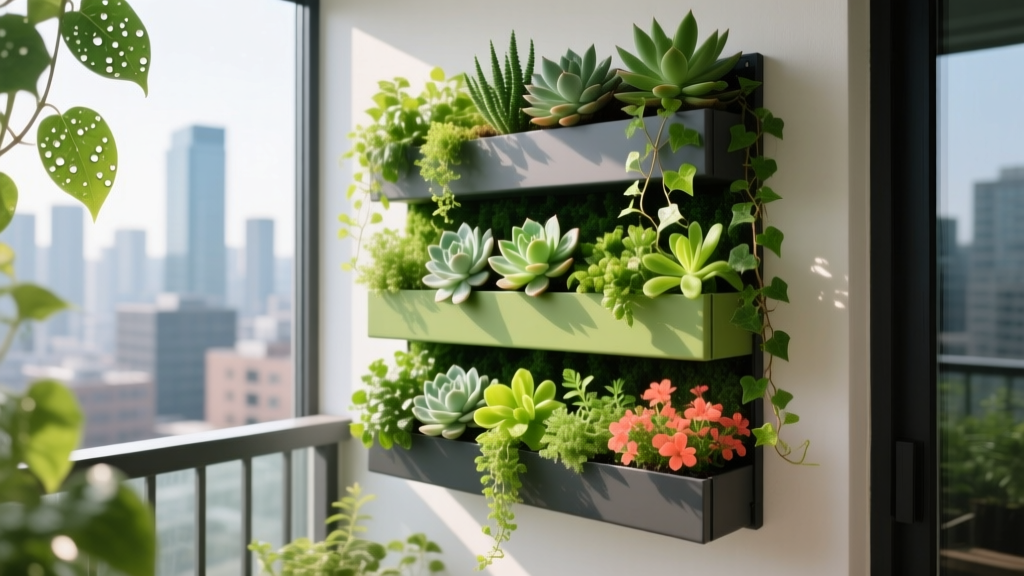
How to Build DIY Vert Gardens for Small Urban Balconies
Building vert gardens in small urban spaces requires more than just hanging a few pots on a fence. When you transition from horizontal ground gardening to vertical planes, you fundamentally alter the physics of water retention, structural load, and root microclimates. This guide provides exact specifications, material grades, and engineering considerations for constructing a high-yield, structurally safe vert garden on a standard residential balcony or patio.
Structural Load and Balcony Safety
The most common failure in urban vert gardens is not biological; it is structural. Wet potting soil is exceptionally heavy. A standard cubic foot of dry potting mix weighs roughly 40 pounds, but once saturated with water, that same cubic foot can weigh between 80 and 110 pounds. If you mount a 4-foot by 6-foot modular vert garden system that holds 8 cubic feet of soil, the saturated dead load will exceed 700 pounds before you even factor in the weight of the framework, water reservoirs, and mature plants.
Warning: Check Your Live Load Limits
Most residential balconies are engineered for a live load of 50 to 60 pounds per square foot (psf). Before mounting heavy frameworks to exterior walls or loading a balcony floor, consult your building's structural specifications or a licensed structural engineer. Distribute weight by anchoring directly into structural studs or masonry rather than relying on drywall or siding.
Most residential balconies are engineered for a live load of 50 to 60 pounds per square foot (psf). Before mounting heavy frameworks to exterior walls or loading a balcony floor, consult your building's structural specifications or a licensed structural engineer. Distribute weight by anchoring directly into structural studs or masonry rather than relying on drywall or siding.
Choosing the Right Vert Garden Framework
Selecting the right framework dictates your maintenance schedule and plant viability. Below is a comparison of the three most effective materials for residential vert gardens, evaluated by weight, durability, and cost.
| Framework Type | Material | Dry Weight (4x6 ft) | Est. Cost | Lifespan |
|---|---|---|---|---|
| Florafelt Pockets | Recycled PET Felt | 4 lbs | $140 - $180 | 5-7 Years |
| Modular Stackable (VertiGro) | UV-Stabilized HDPE | 12 lbs | $90 - $130 | 10+ Years |
| Custom Lattice Trellis | Western Red Cedar | 28 lbs | $60 - $100 | 7-10 Years |
For balcony applications where weight is a primary concern, recycled PET felt systems offer the best strength-to-weight ratio. However, if you are growing heavy fruiting crops like dwarf tomatoes or peppers, rigid HDPE modular planters provide the necessary root volume and structural support to prevent tearing.
Step-by-Step Installation Guide
Proper installation prevents water damage to your building's exterior and ensures the framework can handle the saturated weight of the soil.
- Locate Structural Supports: Use a multi-scanner stud finder (like the Zircon MultiScanner i520) to locate wooden studs or concrete block cores. Never anchor a loaded vert garden solely into vinyl siding, stucco, or drywall.
- Install a Waterproof Barrier: Cut a sheet of 6-mil polyethylene plastic sheeting to the exact dimensions of your framework. Staple or tape this to the wall behind the garden. This prevents constant moisture from wicking into the building envelope and causing mold or wood rot.
- Mount the French Cleat or Brackets: For modular systems, install a heavy-duty aluminum French cleat. Secure it using 316-grade stainless steel lag screws (minimum 5/16-inch diameter, 3-inch length). 316 stainless is critical for exterior use as it resists corrosion from fertilizers and constant moisture better than standard 304 stainless or zinc-plated hardware.
- Hang and Level: Lift the framework onto the cleat or brackets. Use a 24-inch torpedo level to ensure perfect horizontal alignment; an unlevel vert garden will cause water to channel to one side, drowning plants on the low end and starving those on the high end.
Soil Mixes and Irrigation for Vertical Setups
Standard garden topsoil or cheap bagged potting mix will fail in a vert garden. Topsoil compacts under its own vertical weight, suffocating roots, while cheap peat-based mixes shrink and pull away from the edges of pockets when dry.
The Lightweight Vert Garden Soil Recipe
Mix your own medium using this exact ratio by volume to ensure high aeration, low weight, and excellent moisture retention:
- 40% Coco Coir: Provides structure and retains moisture without the compaction issues of peat moss.
- 30% Coarse Perlite (Size #3 or #4): Ensures rapid drainage and keeps the overall weight of the mix low.
- 20% Vermicompost: Supplies a slow-release, biologically active nutrient base.
- 10% Horticultural Biochar: Acts as a permanent sponge for nutrients and water, reducing the need for frequent fertilization.
Drip Irrigation Specs
Hand-watering a 6-foot-tall vert garden is inefficient and leads to uneven moisture distribution. Install a dedicated drip system using 1/4-inch polyethylene tubing snaked horizontally across each row. Use 2 GPH (gallons per hour) pressure-compensating button drippers spaced every 6 inches. Pressure-compensating emitters are mandatory; they ensure the top row and bottom row receive the exact same water volume regardless of gravity-induced pressure drops. Connect the system to a digital timer like the Orbit 62061N, set to run for 4 minutes daily at dawn.
Plant Selection for Vert Gardens
Microclimates vary drastically from the top of a vert garden to the bottom. The top rows dry out fastest and receive the most direct sunlight, while the bottom rows stay cooler, moister, and receive dappled shade from the foliage above.
- Top Rows (Hot/Dry): Plant shallow-rooted, drought-tolerant herbs. Rosemary, creeping thyme, and oregano thrive here. Avoid placing thirsty leafy greens at the top.
- Middle Rows (Moderate): Ideal for high-yield leafy greens and compact fruiting plants. Swiss chard, butterhead lettuce, and dwarf bush cherry tomatoes (like the 'Tiny Tim' variety) perform exceptionally well in the mid-section.
- Bottom Rows (Cool/Moist): Utilize trailing plants that can handle occasional runoff and lower light levels. Trailing nasturtiums, creeping Jenny, and ferns will cascade beautifully while masking the irrigation tubing and bottom hardware.
According to the University of Minnesota Extension Yard and Garden guidelines, selecting plants based on their specific root-depth requirements is critical for shallow vertical pockets, as deep taproots will quickly become bound and stunt plant growth.
Winterizing and Maintenance
If you live in a climate with freezing winters (USDA Zones 3-7), your vert garden requires specific winterization. Water trapped in HDPE modules or felt pockets will freeze, expand, and rupture the materials. In late autumn, remove all plant material and root masses. Flush the irrigation lines with compressed air at 20 PSI to clear residual water, and detach the timer to prevent internal valve cracking. For felt pocket systems, unhook the framework and store it flat in a dry garage or shed to prevent UV degradation and freeze-thaw tearing.
Troubleshooting Common Failures
- Issue: Bottom plants are drowning and showing root rot, while top plants are wilting.
- Fix: Gravity is pulling excess water to the bottom. Reduce the emitter flow rate at the top of the system by switching to 1 GPH drippers on the top two rows, or add a 1-inch layer of coarse pumice at the bottom of the lower pockets to elevate the root zone above the drainage exit.
- Issue: White, crusty buildup on the exterior of felt pockets or plastic modules.
- Fix: This is salt and mineral accumulation from synthetic fertilizers and hard tap water. Switch to a liquid organic kelp fertilizer (like Neptune's Harvest) which leaves fewer mineral salts, and flush the entire system with plain, un-amended water for one full irrigation cycle every 30 days.
- Issue: Framework is pulling away from the wall at the top.
- Fix: The leverage of the saturated soil is overcoming the shear strength of your fasteners. Immediately offload the soil. Upgrade your top mounting brackets to include a diagonal tension cable (1/8-inch galvanized aircraft cable) anchored to the wall 12 inches above the frame, pulling the top flush against the masonry.
Constructing a resilient vert garden requires treating the project as both a horticultural endeavor and a minor structural engineering task. By respecting weight limits, utilizing 316 stainless hardware, and engineering a custom soil matrix, your vertical space will yield high-density harvests without compromising your building's integrity. For more advanced urban agriculture techniques, refer to the EPA Green Infrastructure Guidelines for integrating vertical growing into broader stormwater and heat-island mitigation strategies.

